"Across a fissure in the Real"
biography
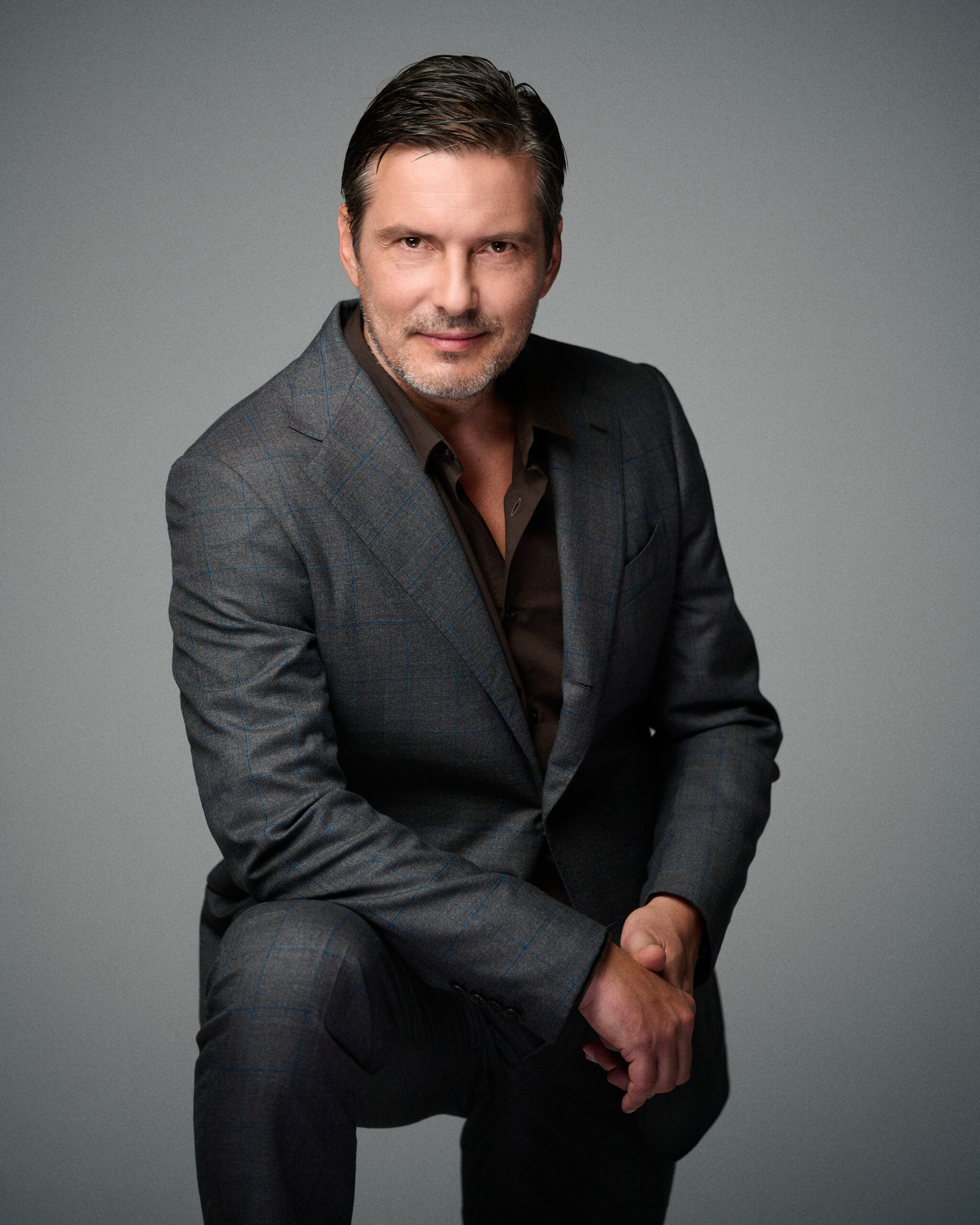
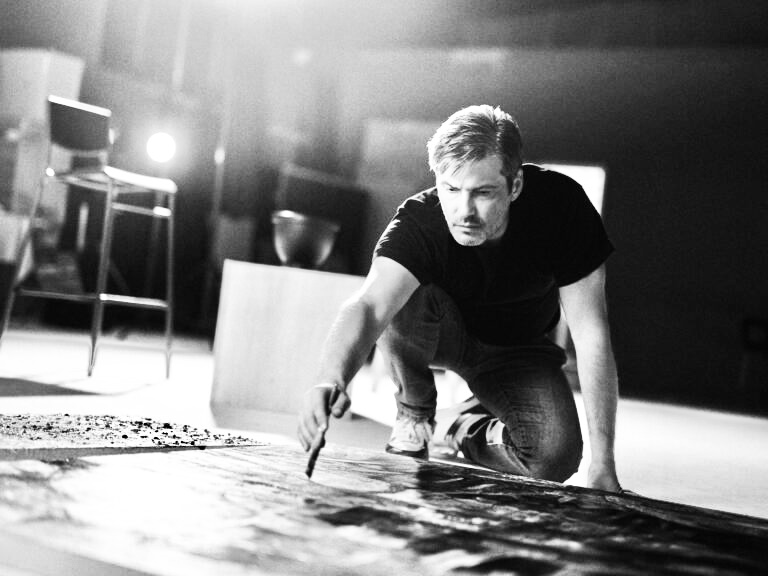
IVAN ĐURIŠIĆ was born on October 8, 1977 in Podgorica. He graduated in painting at the Faculty of Fine Arts in Cetinje in 2004, in the class of prof. Dragan Karadžić. At the same faculty, he acquired his master's degree in 2010 in the class of prof. Ratko Odalović. He is a member of the Association of Fine Artists of Montenegro He lives and creates in Podgorica.
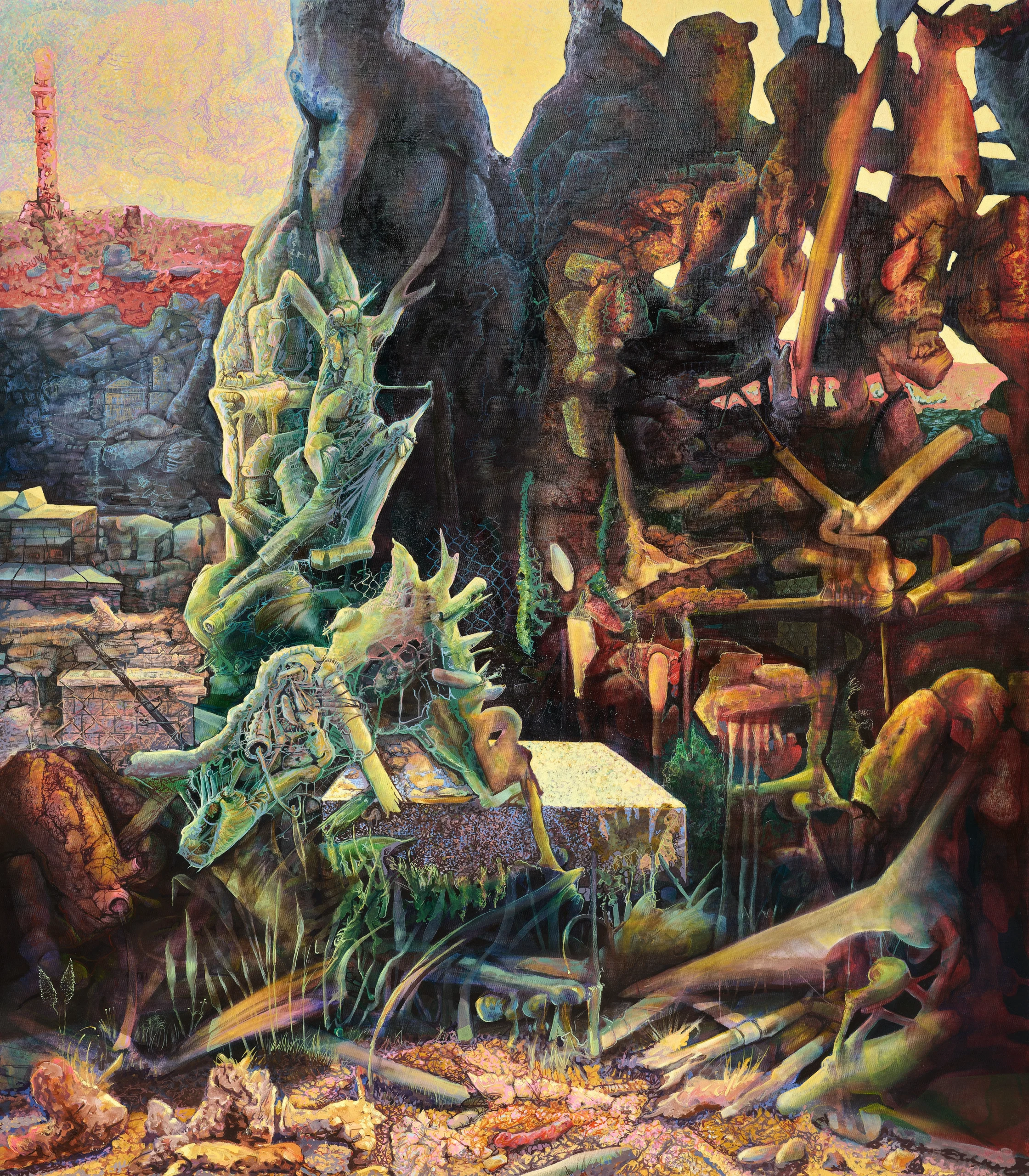
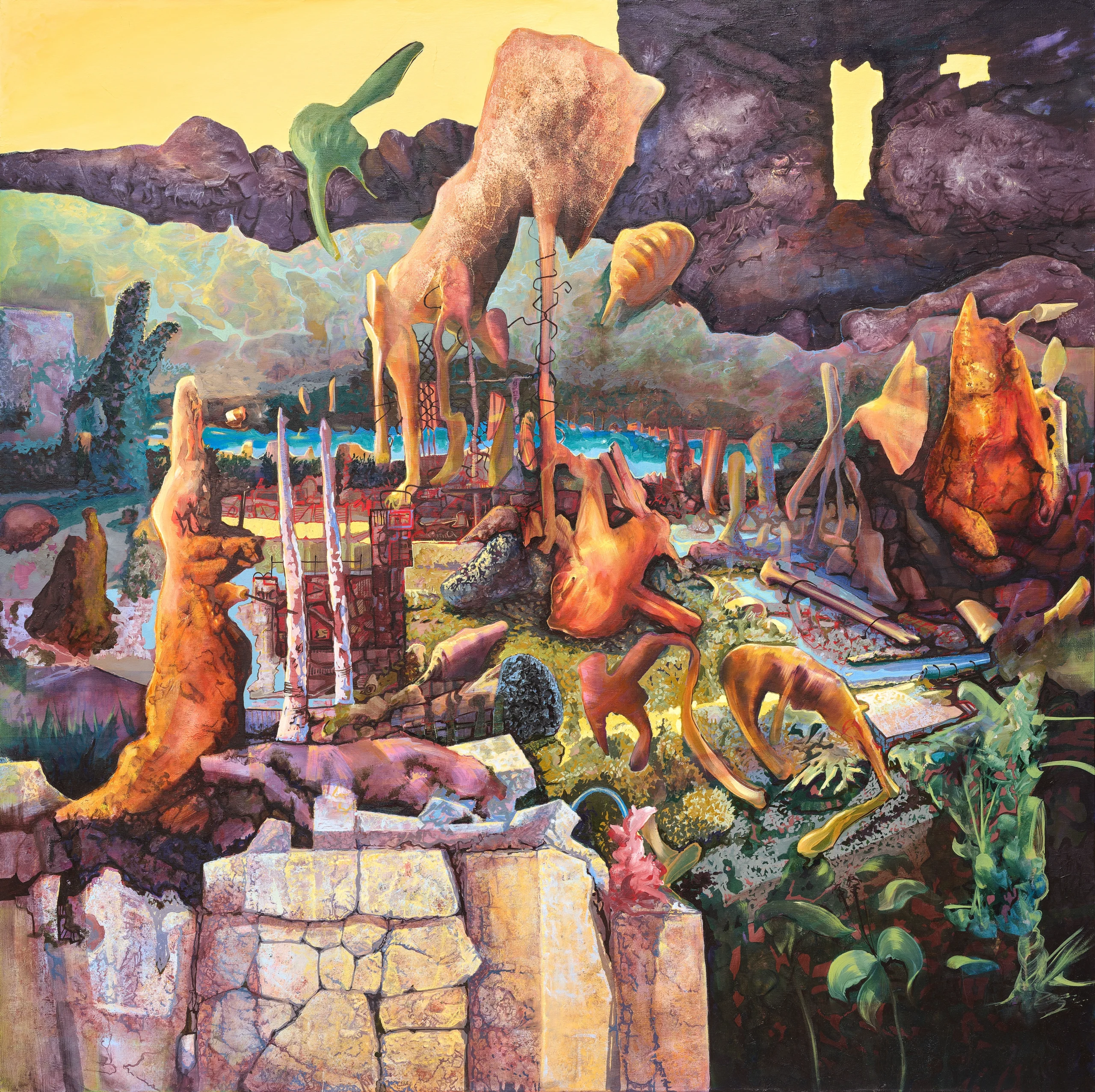
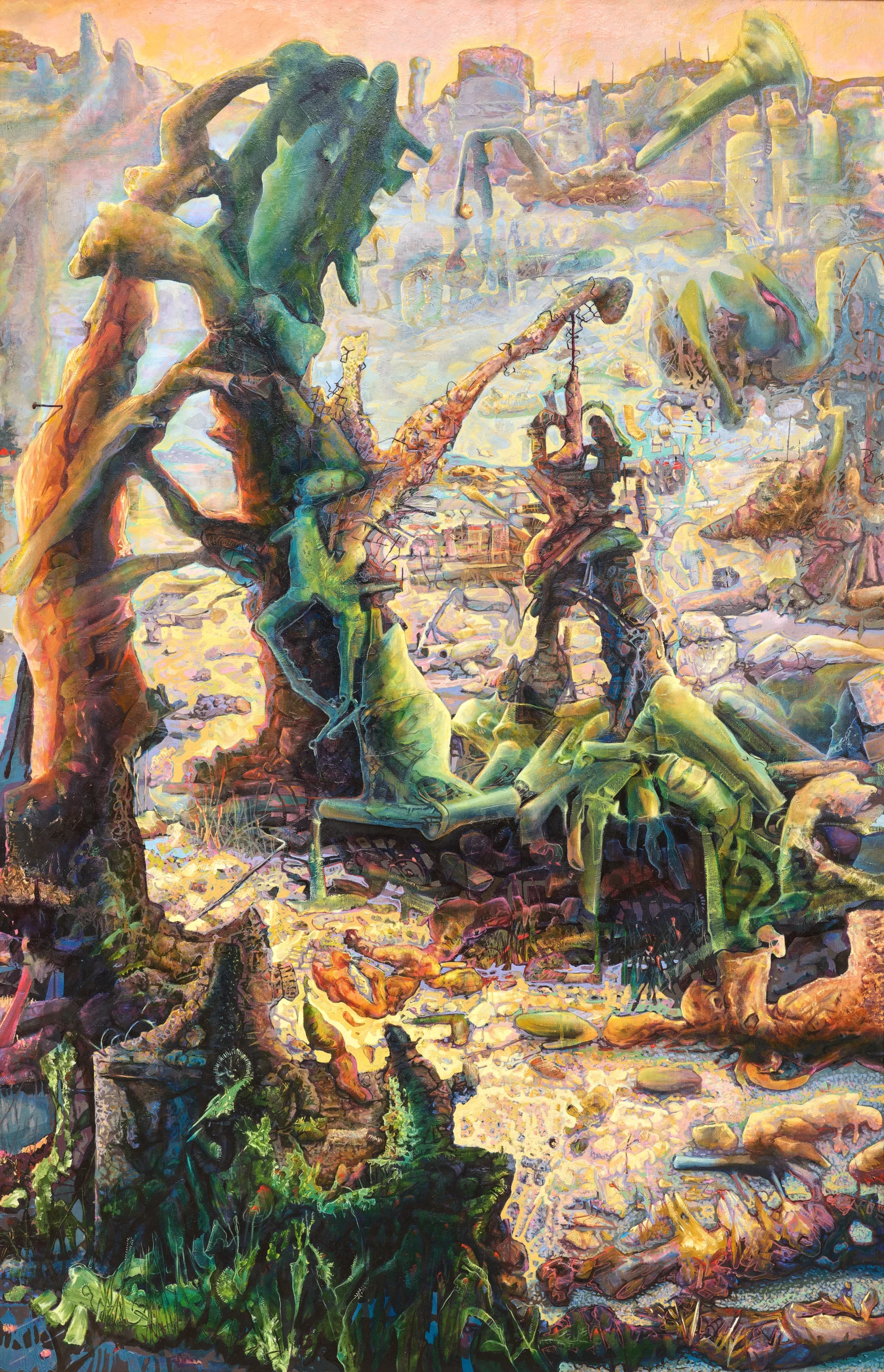
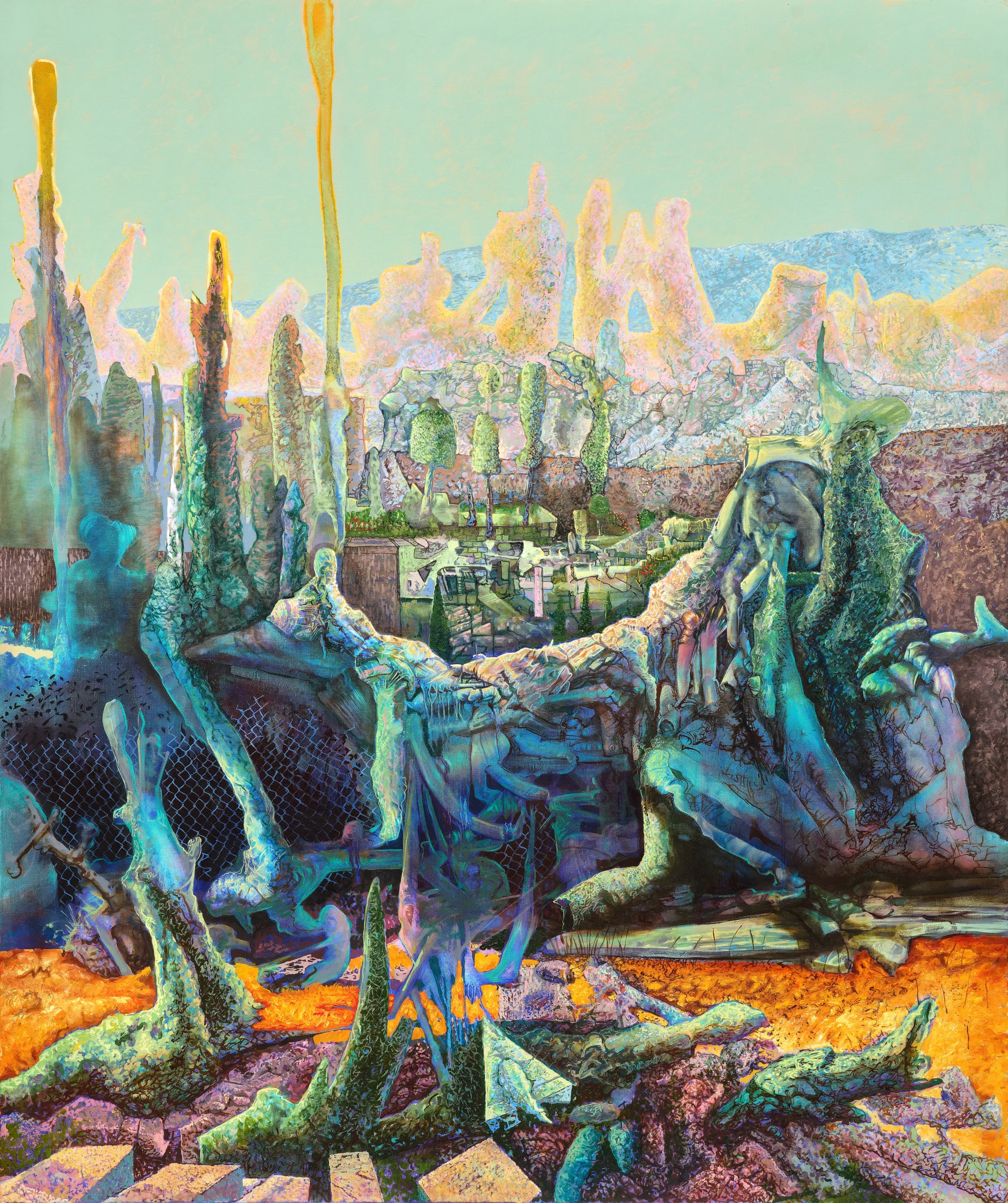
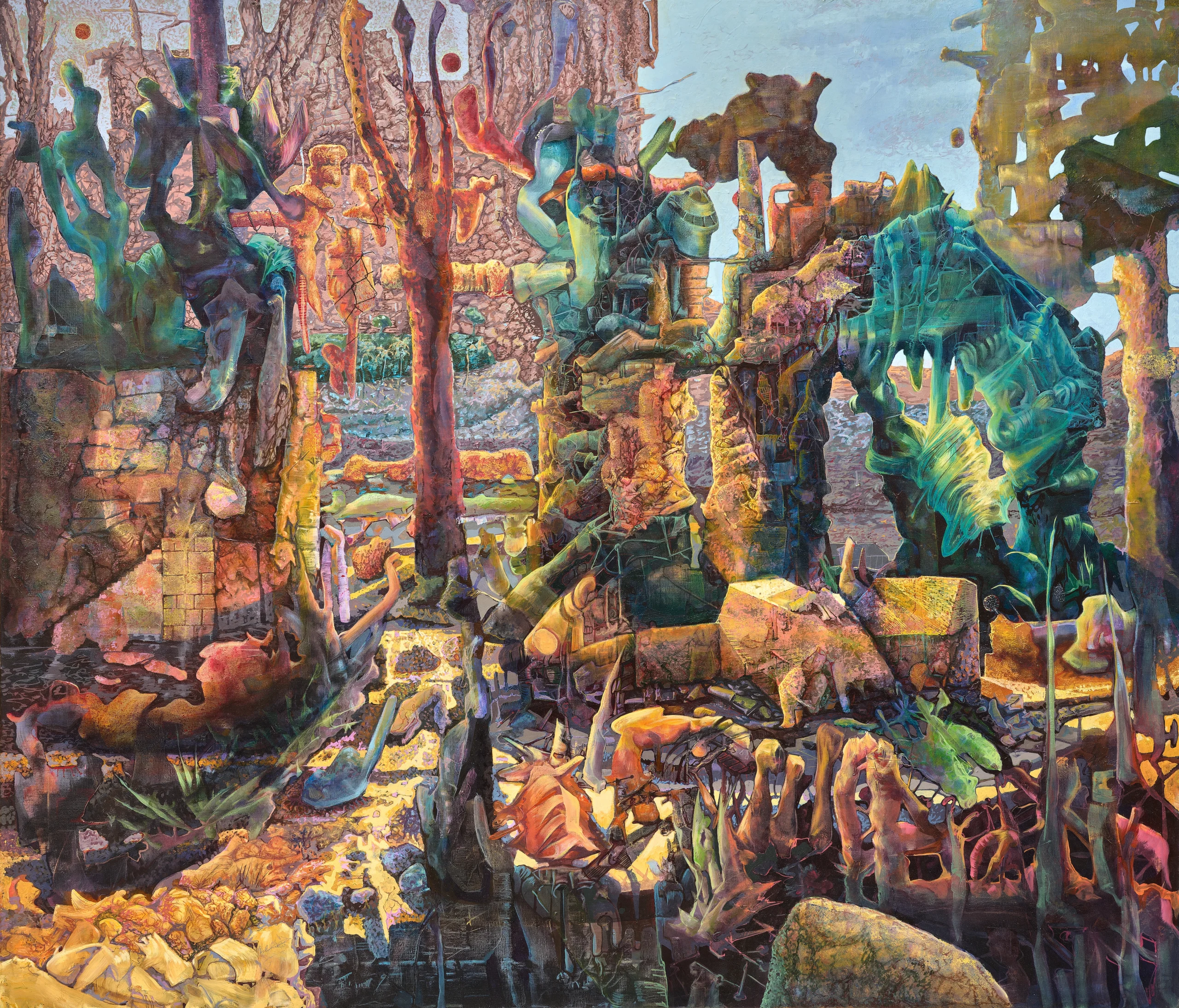
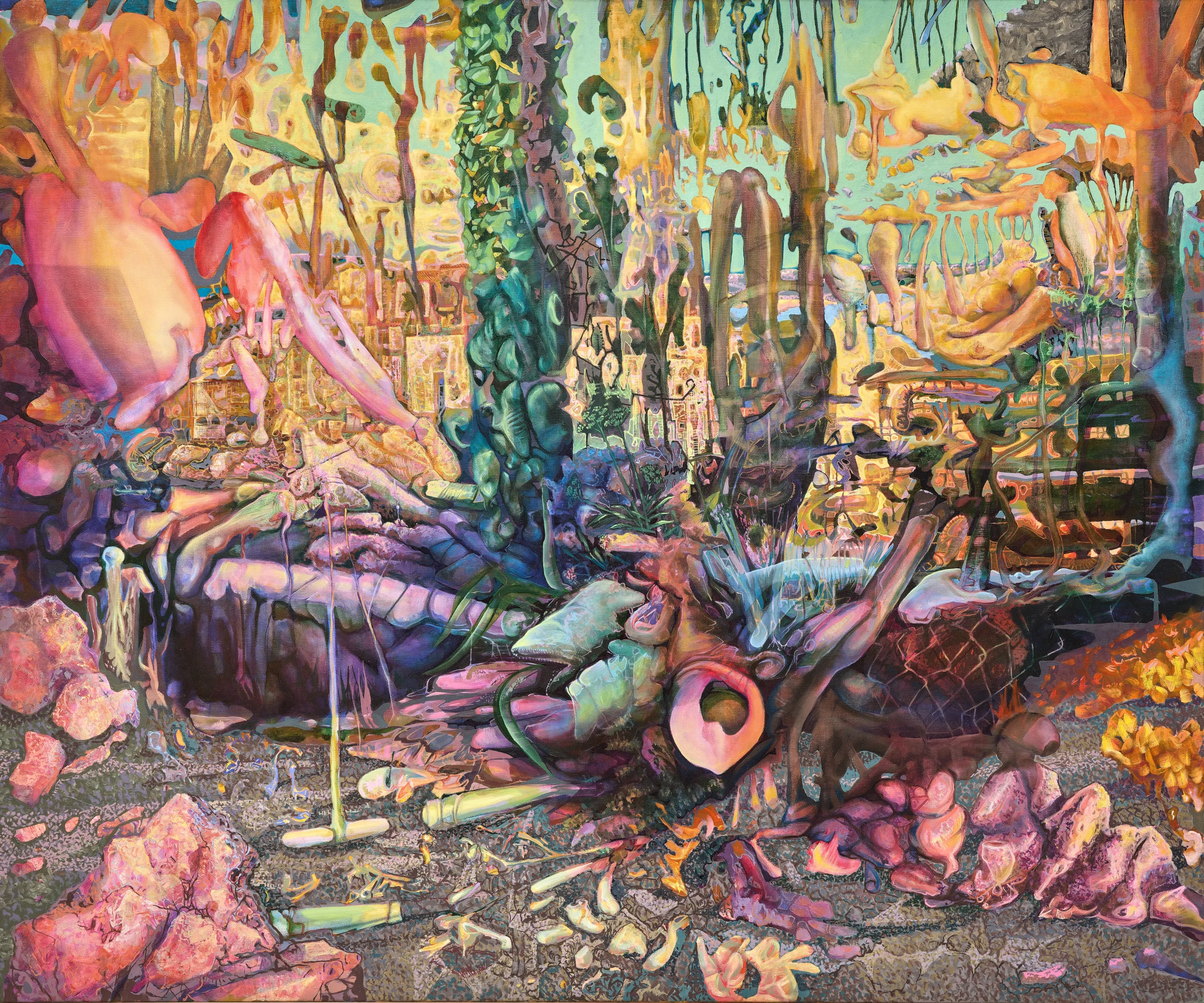
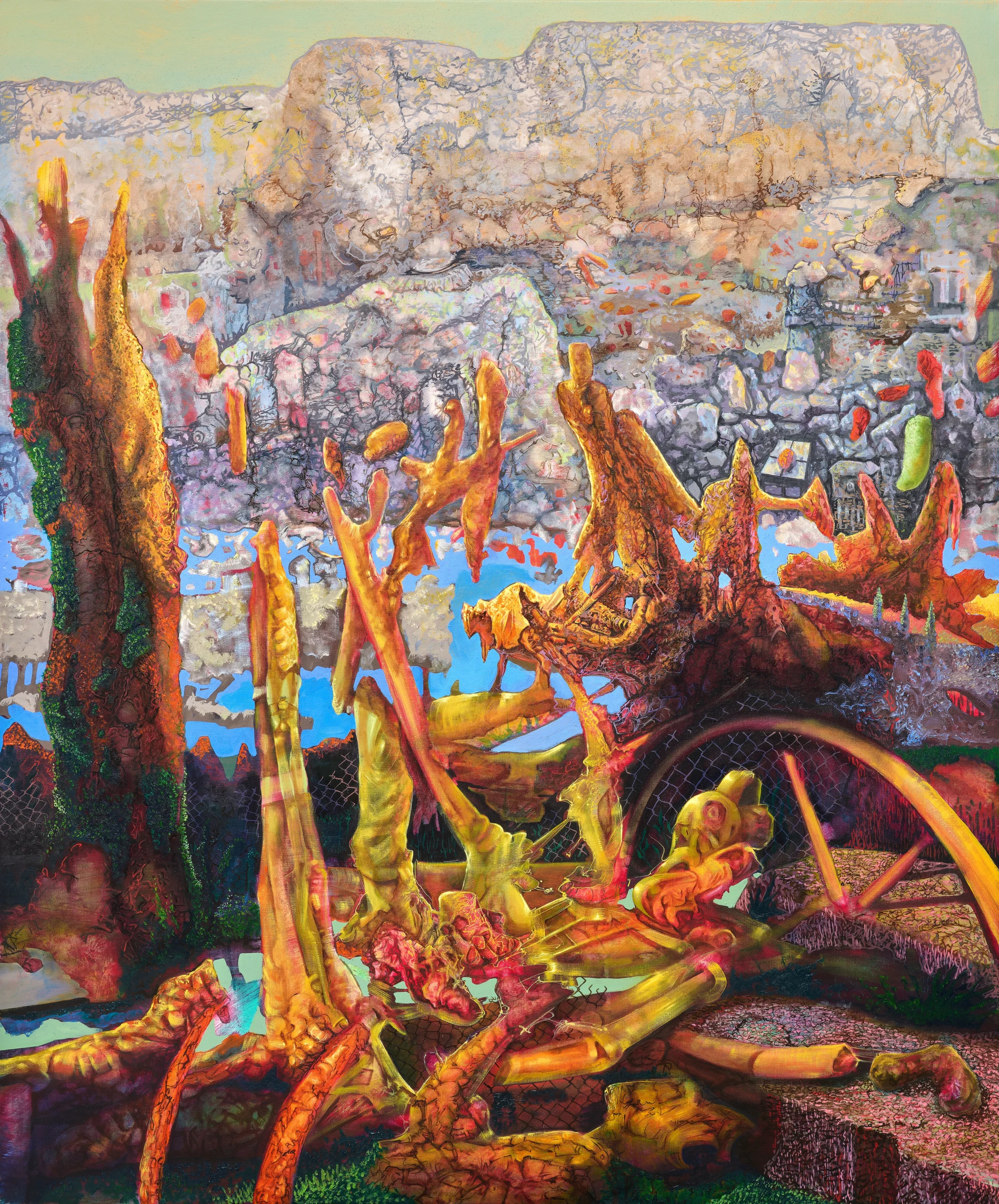
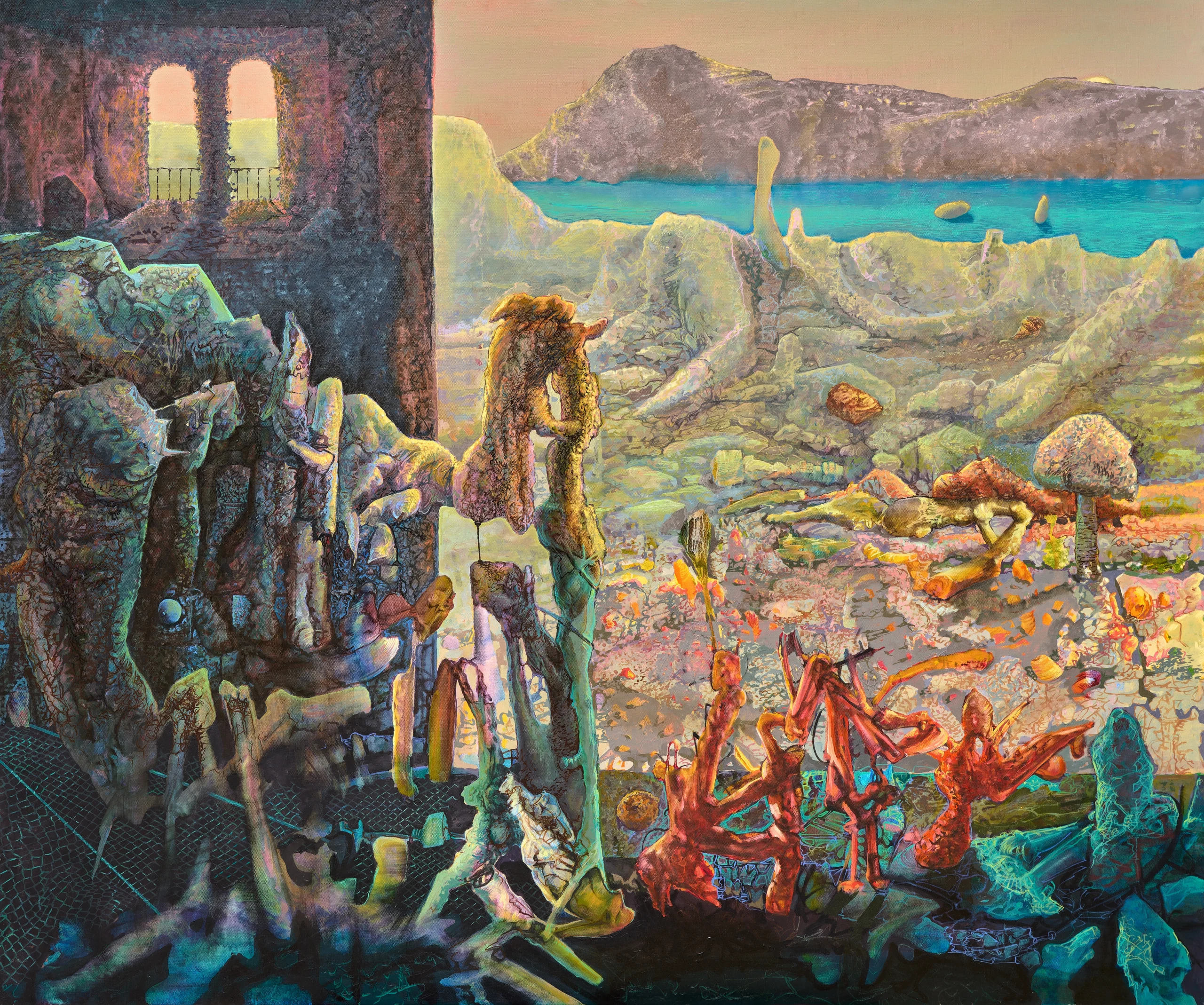
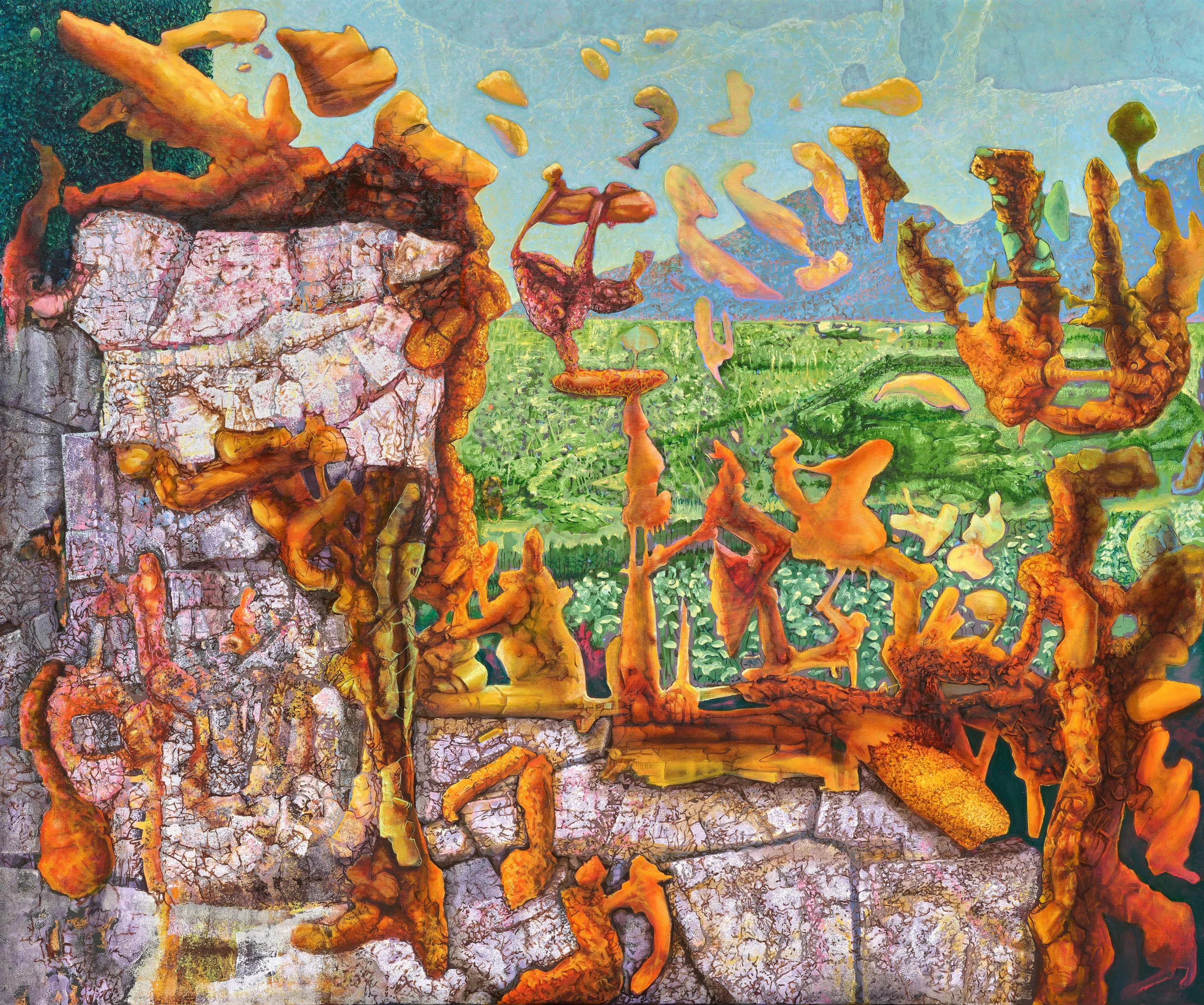
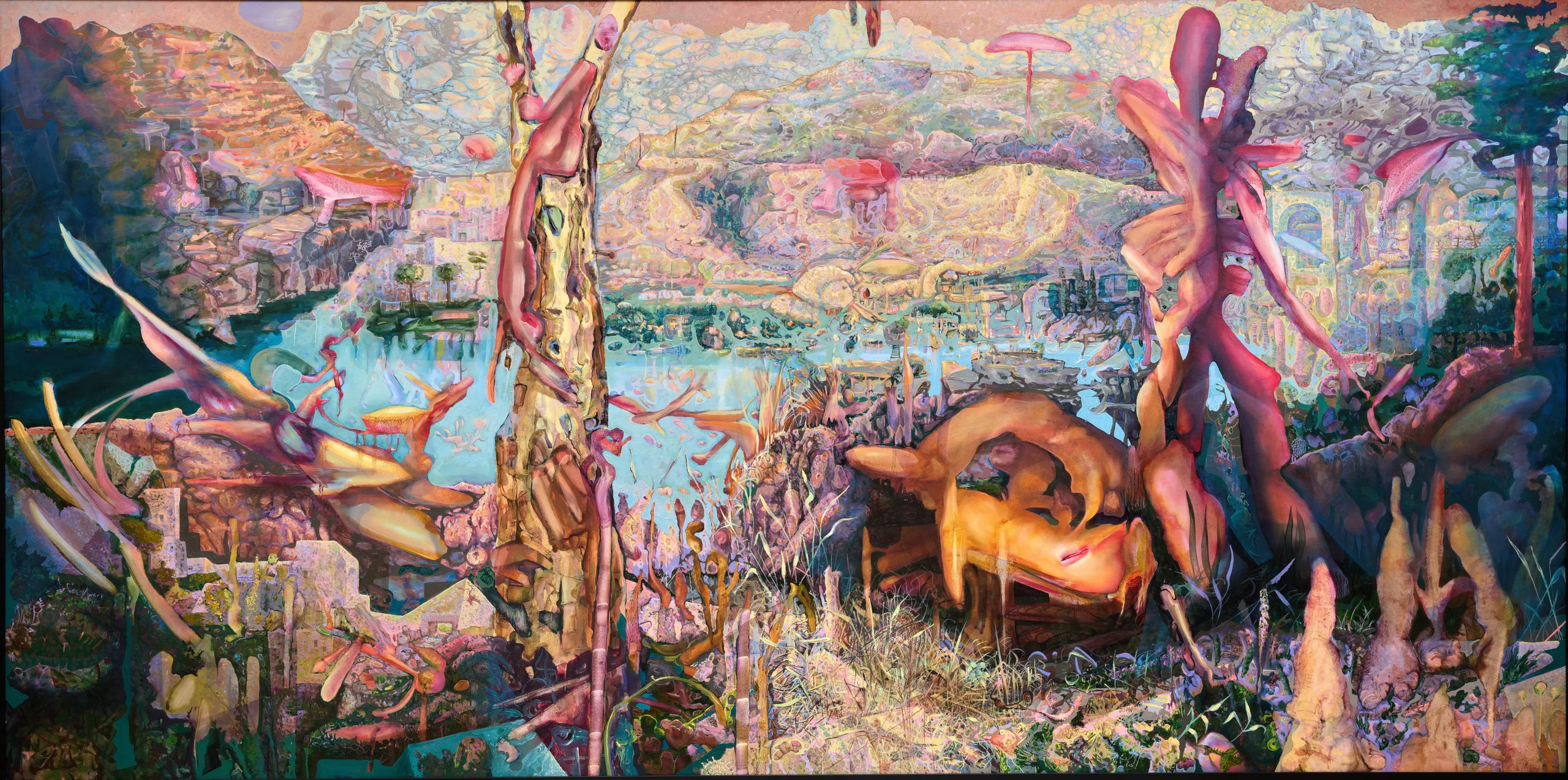
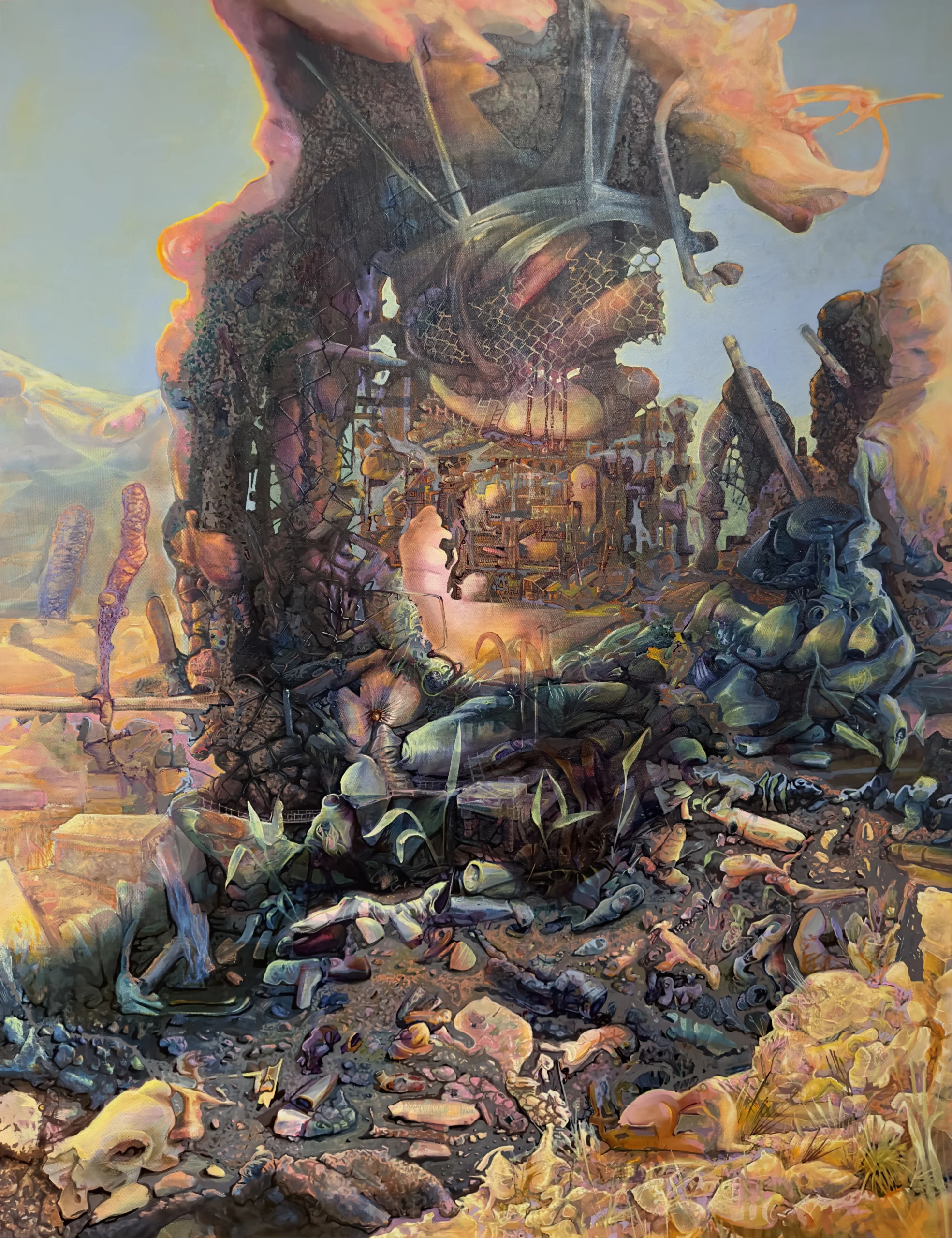
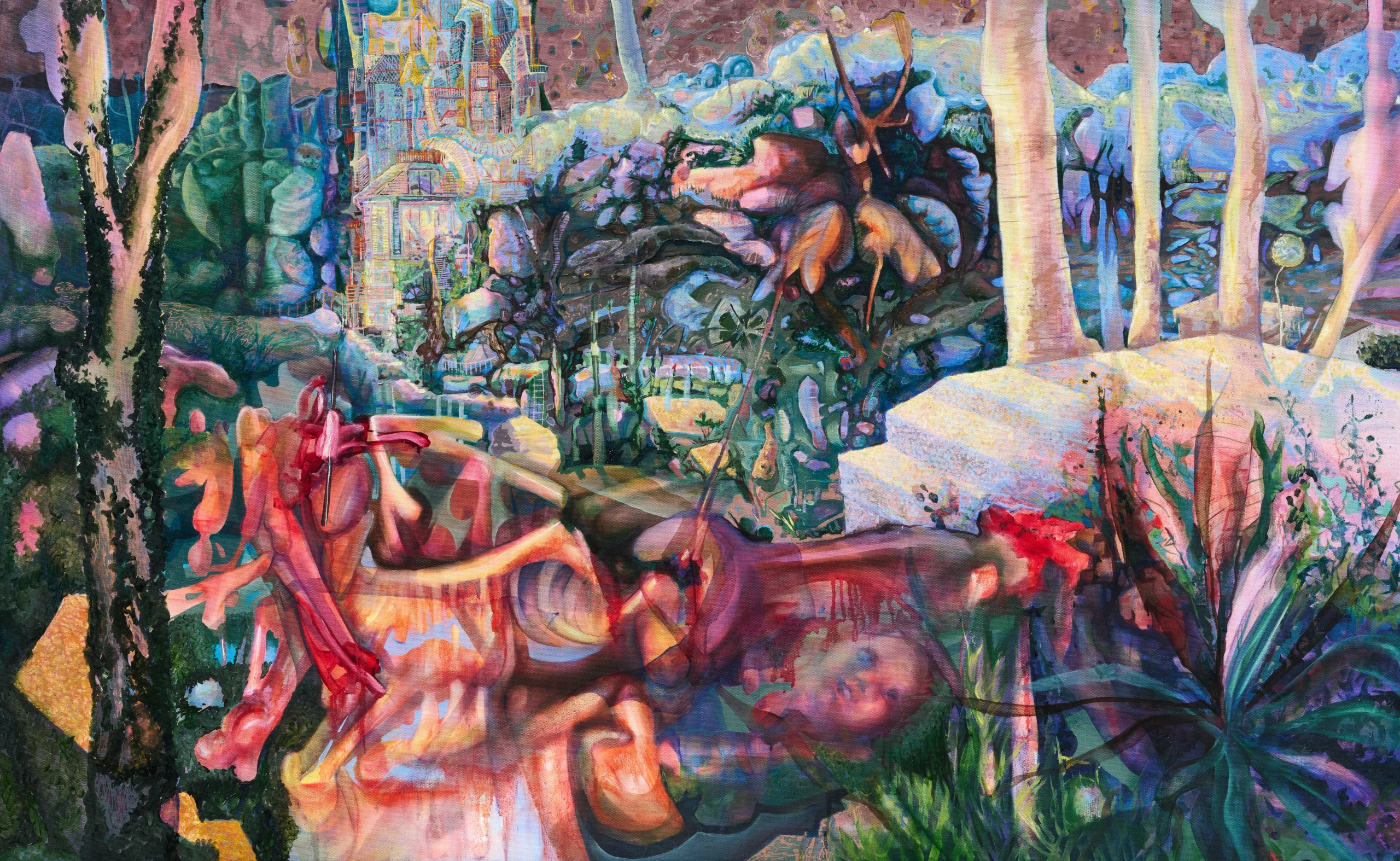
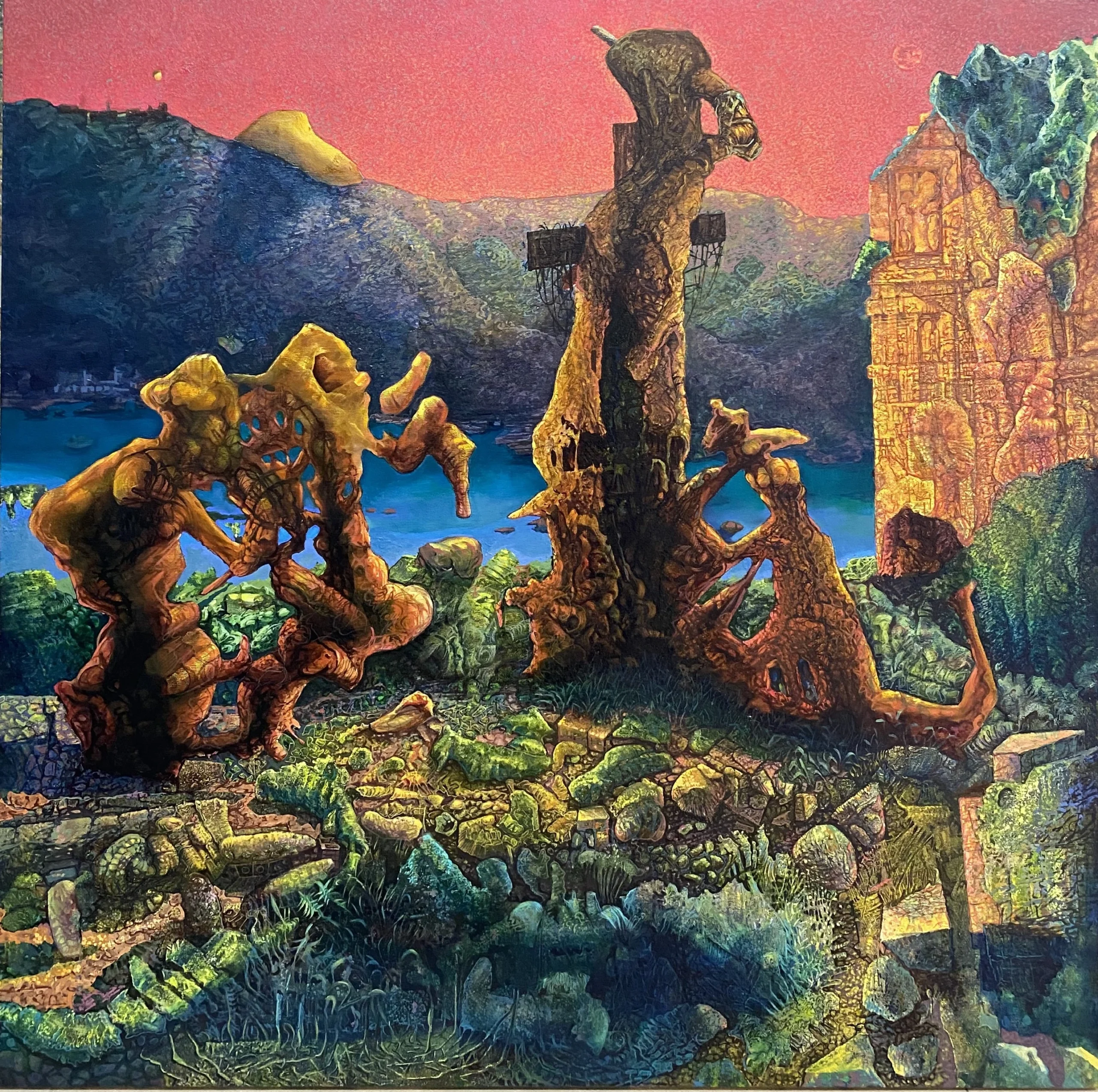
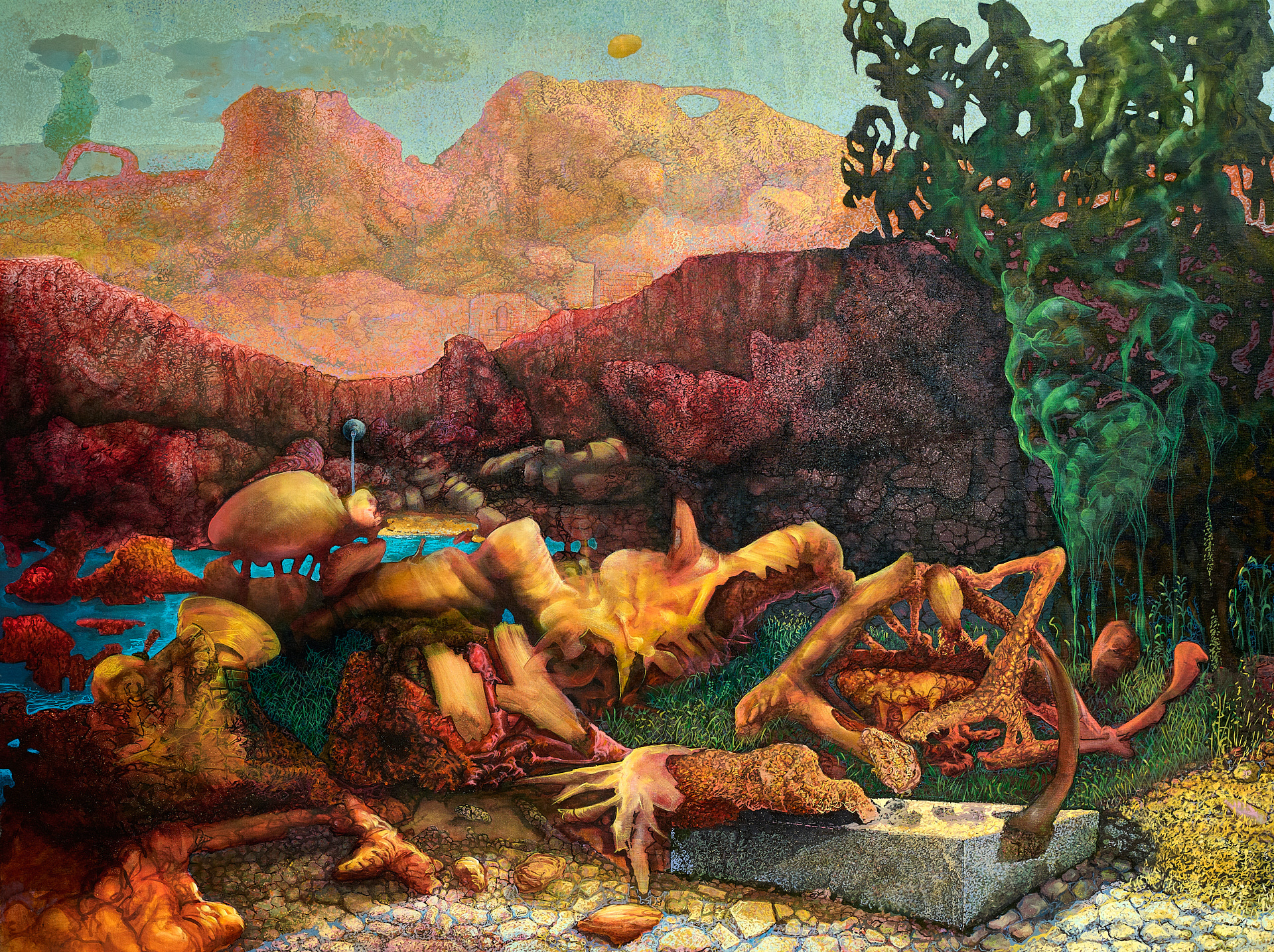
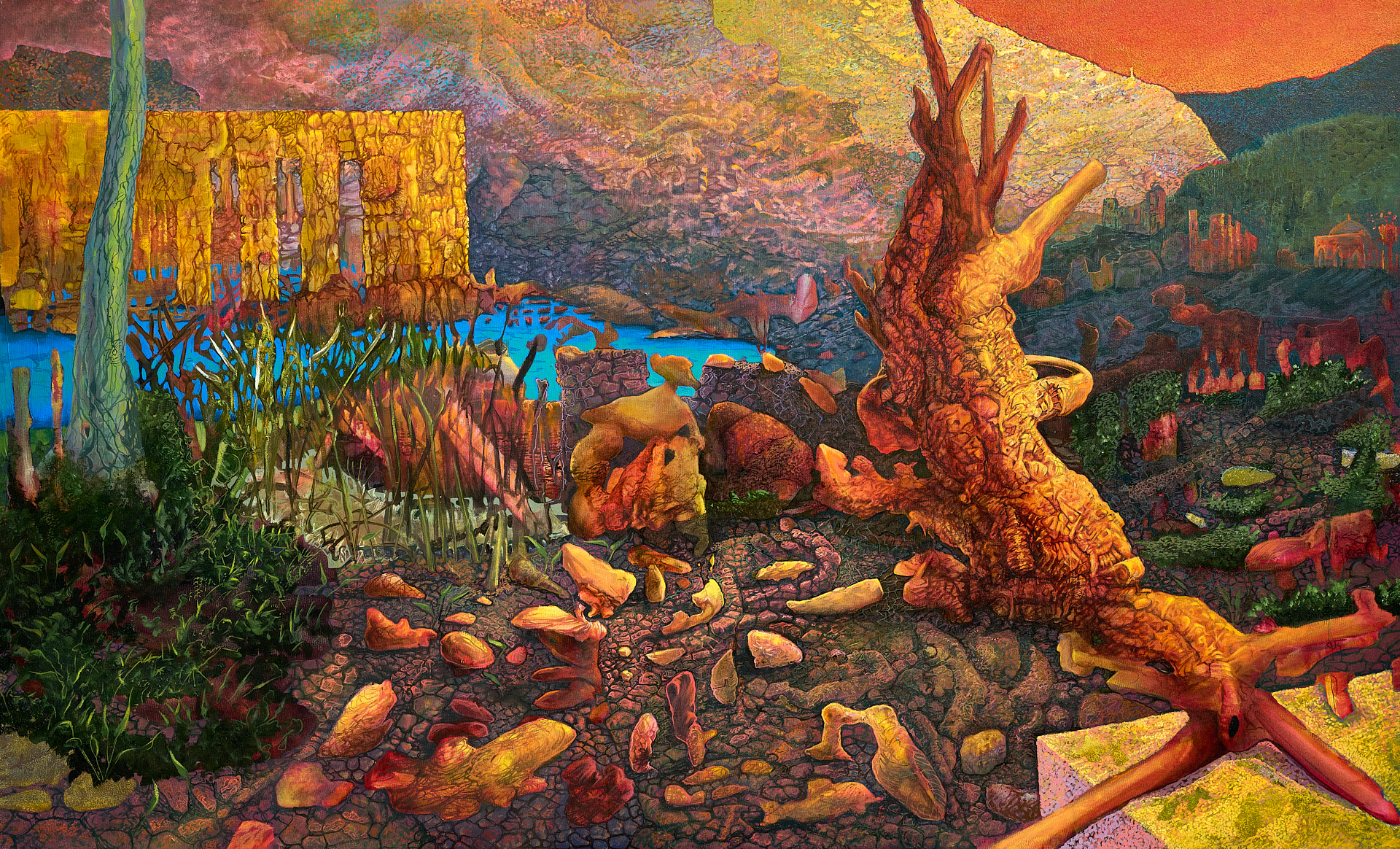
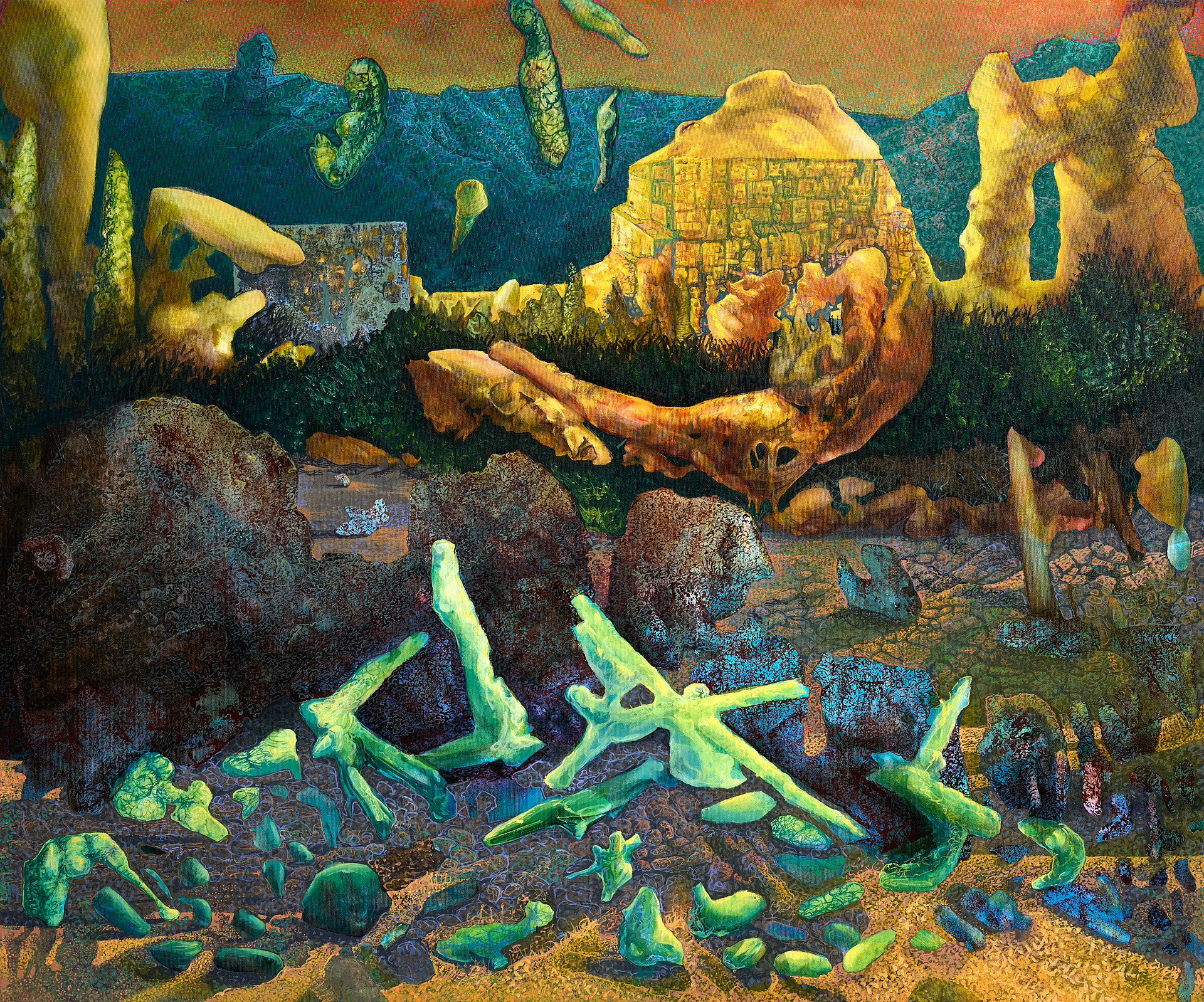
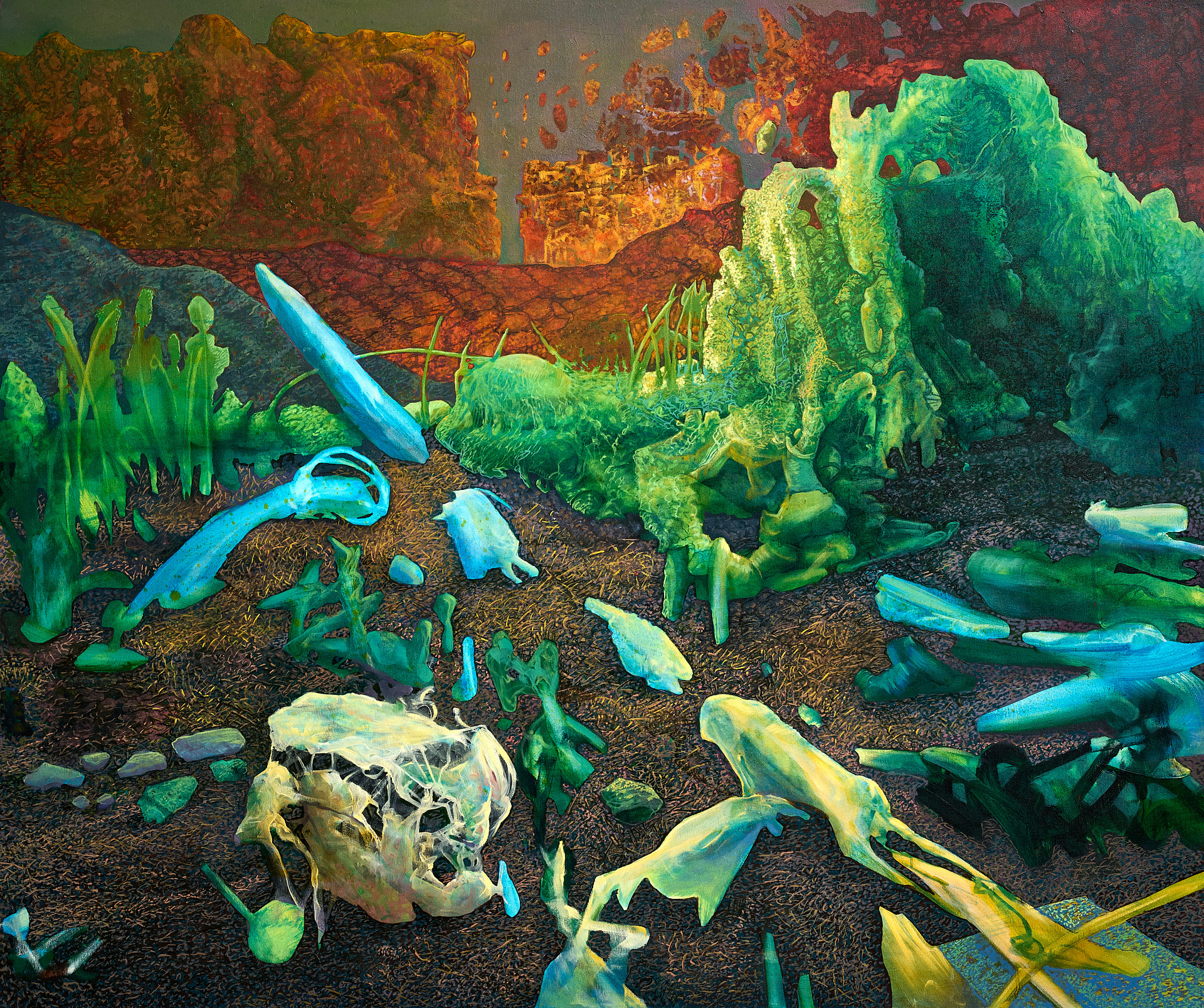
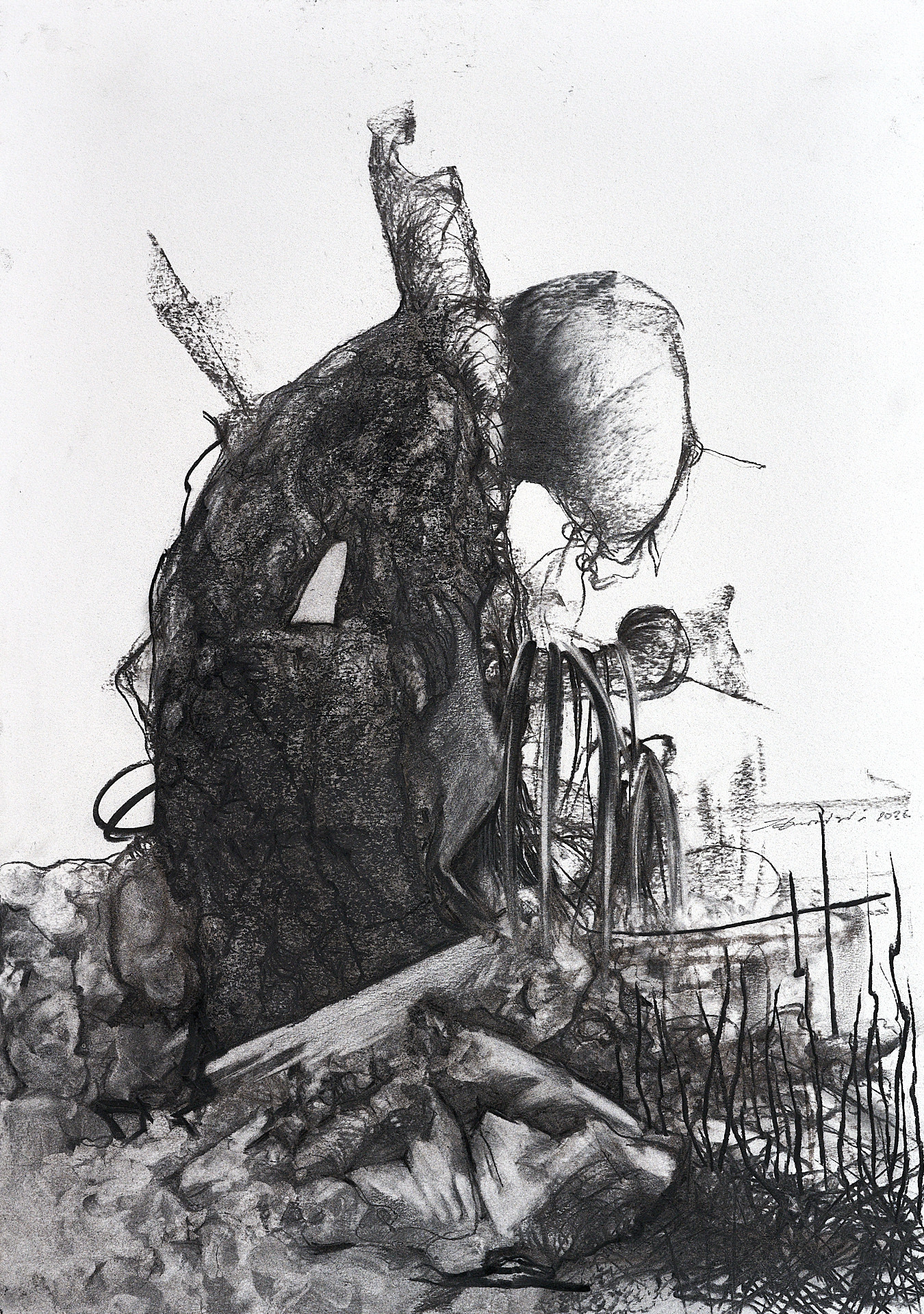
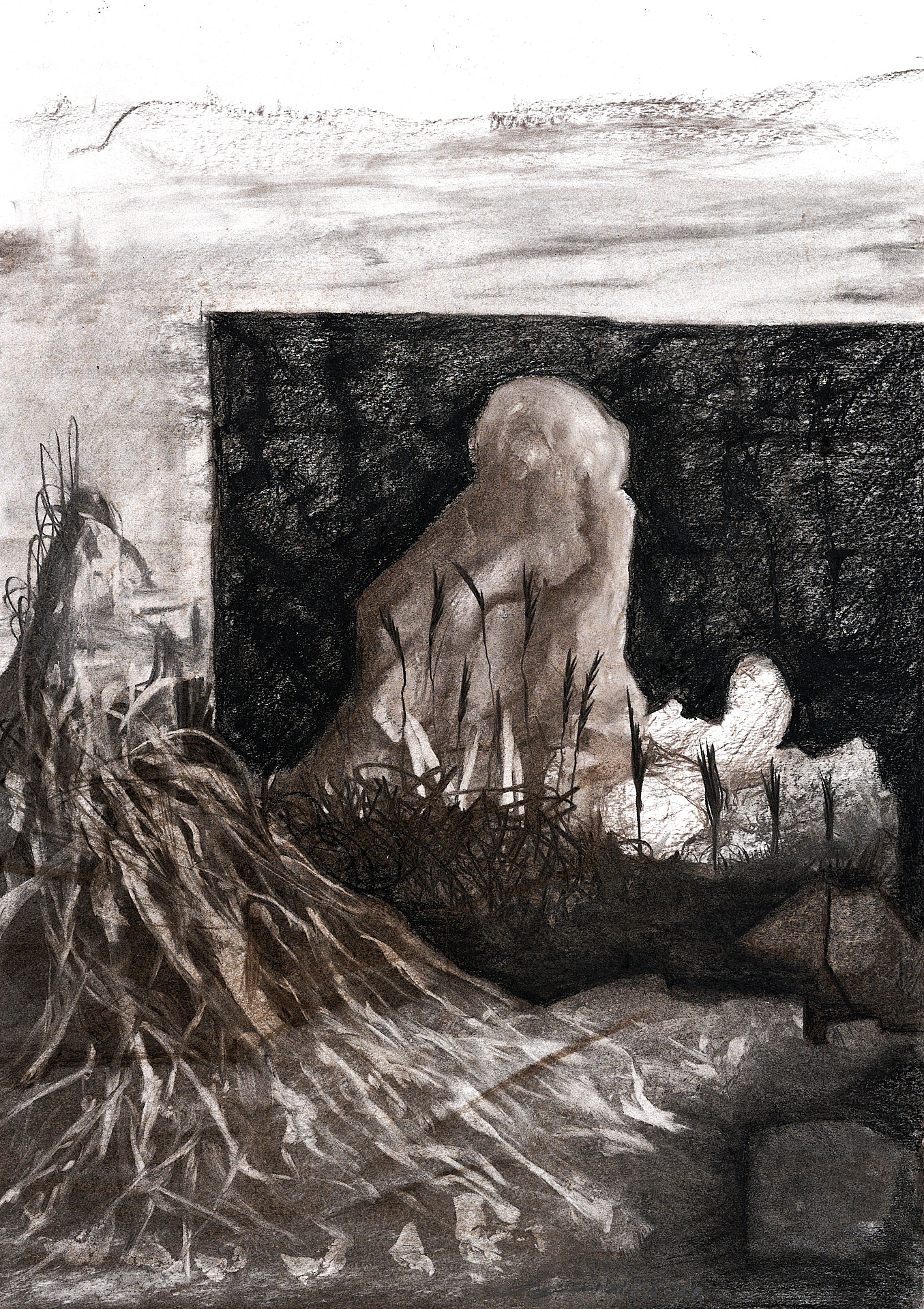
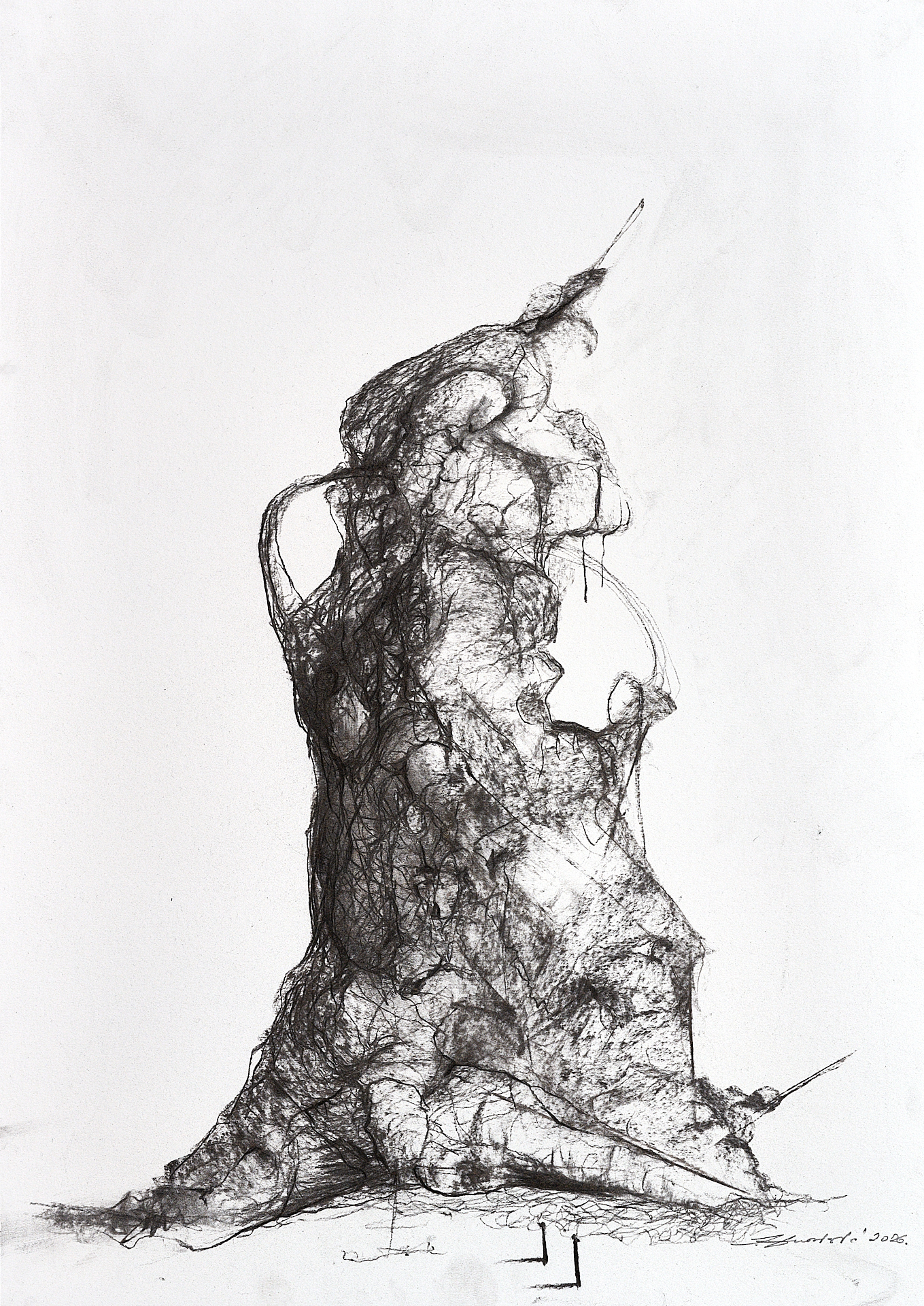
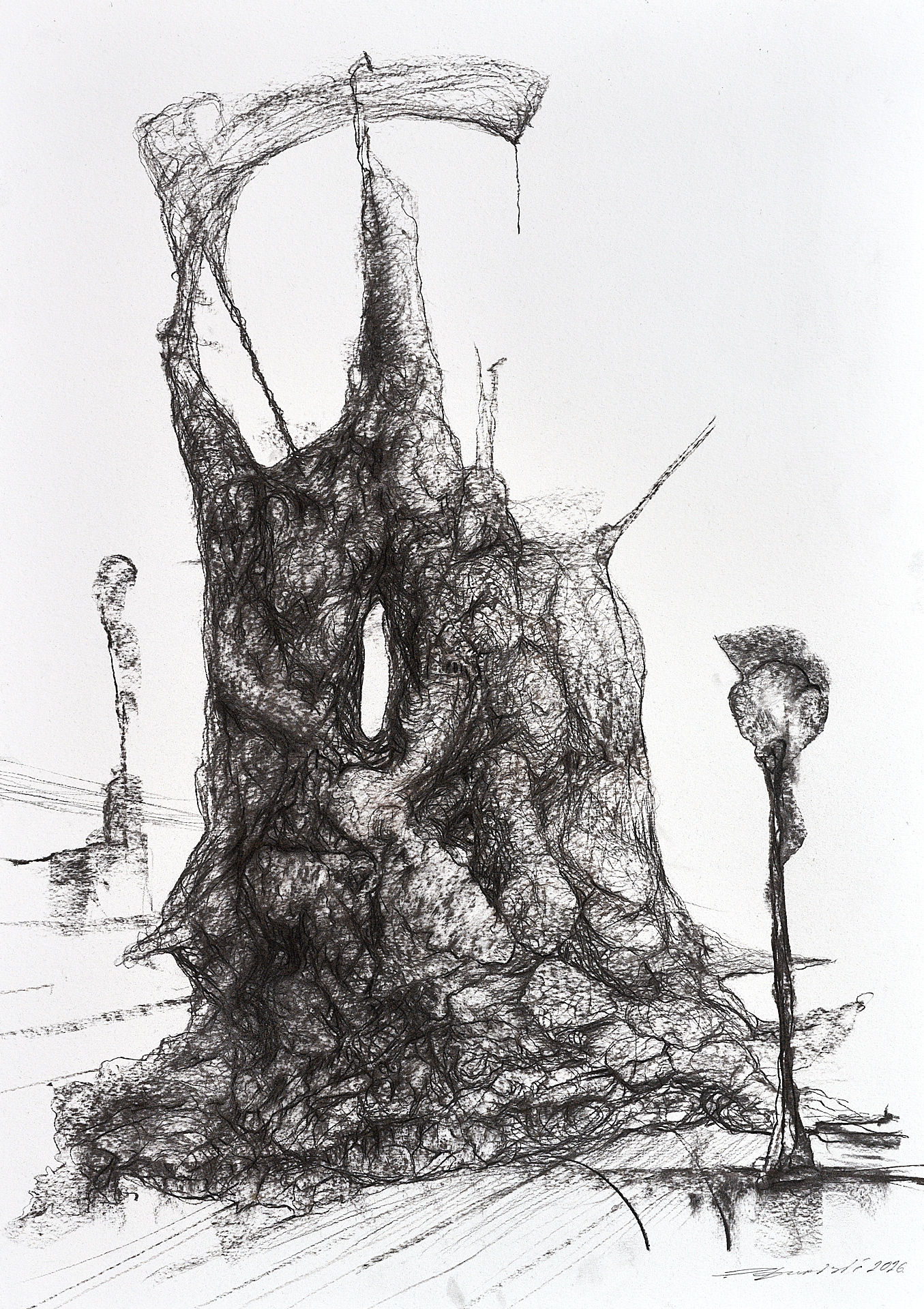
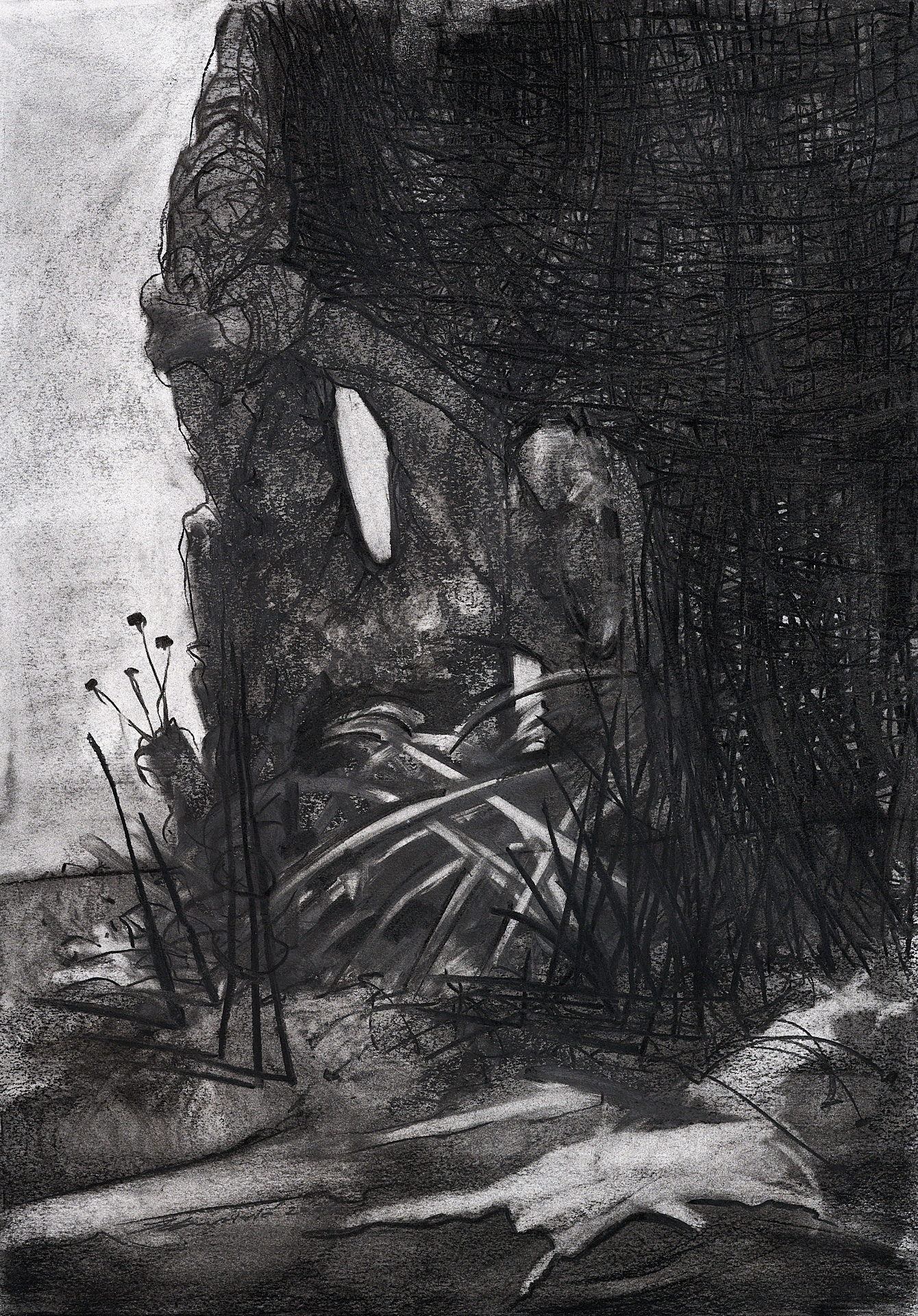
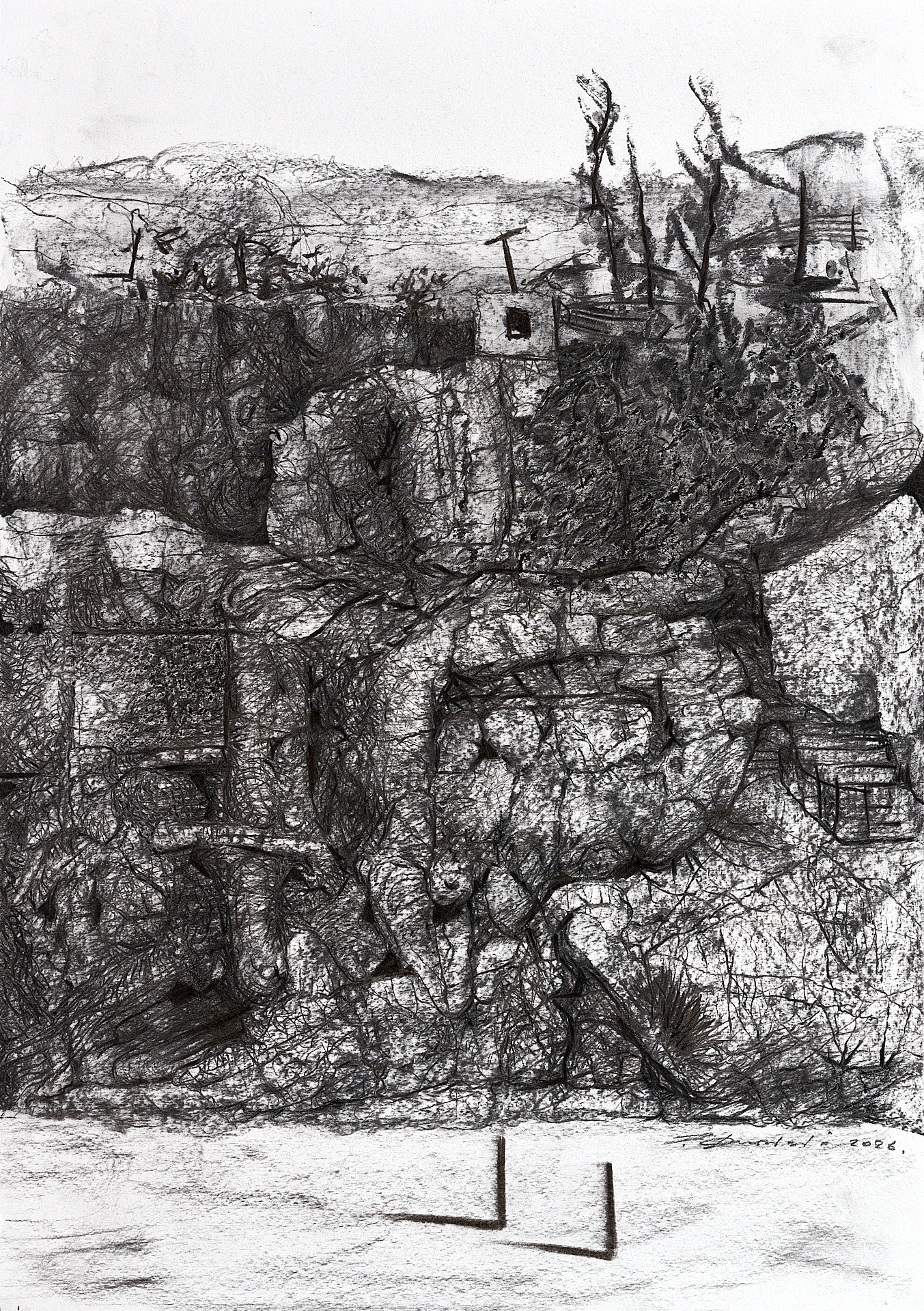
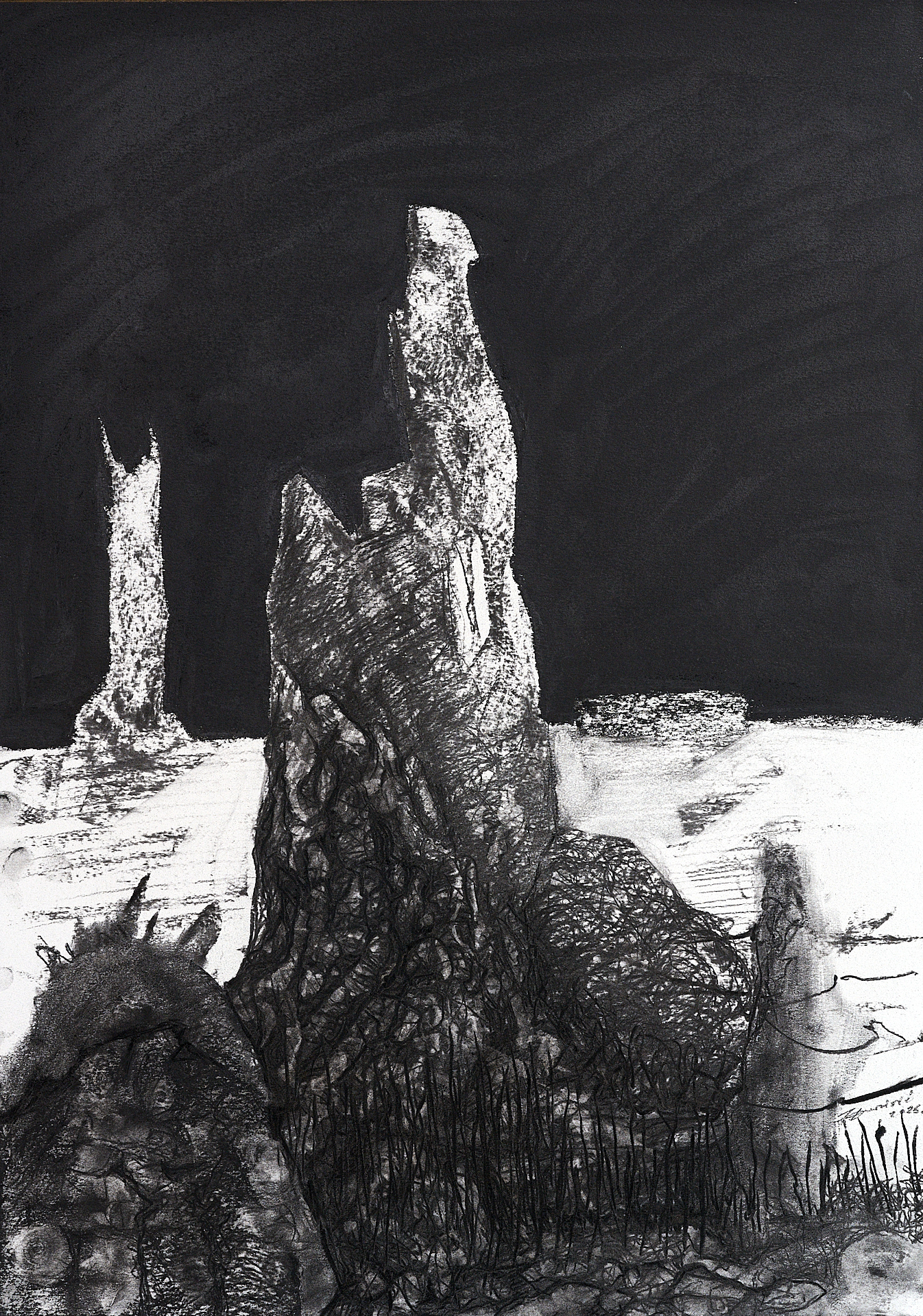
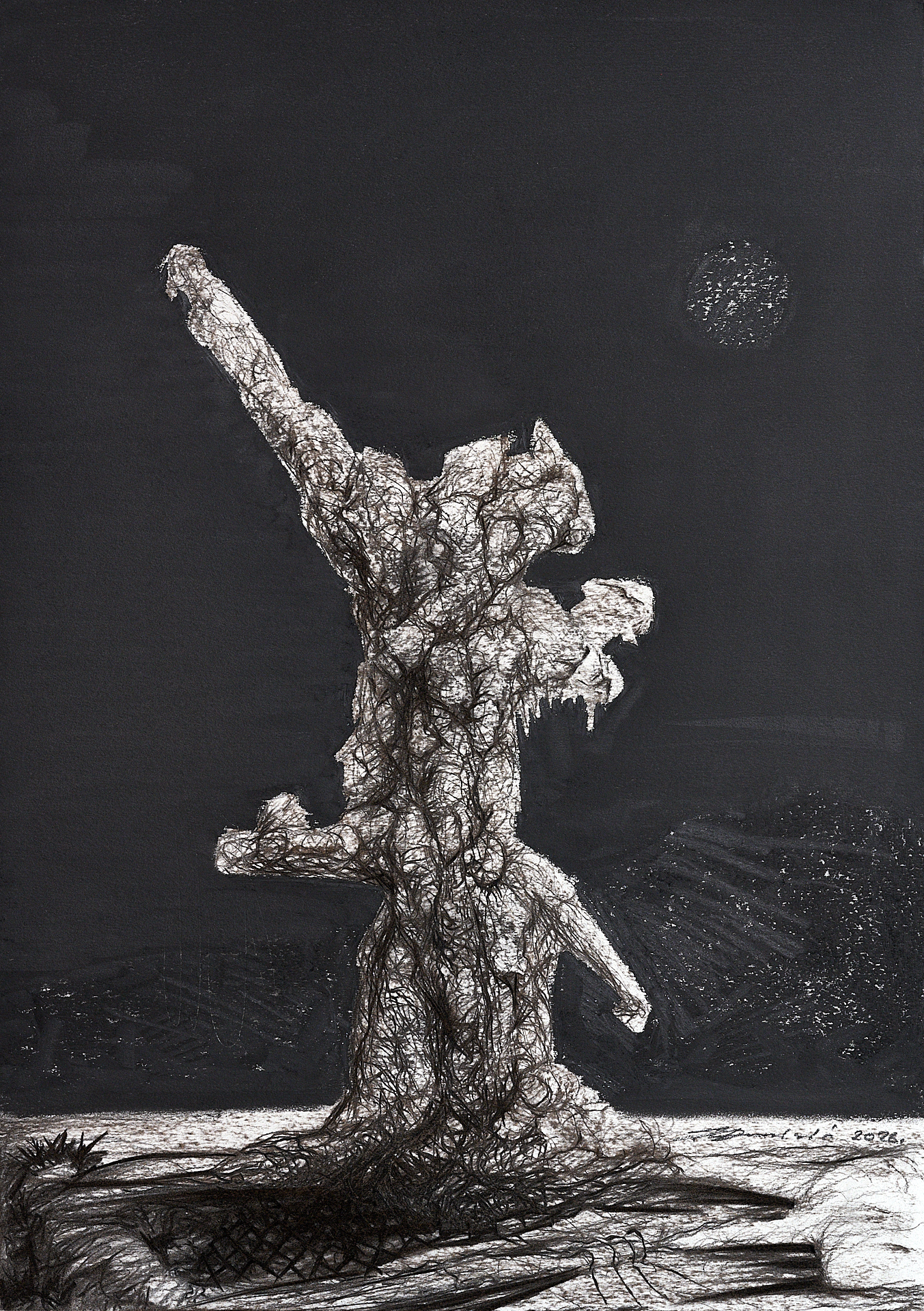
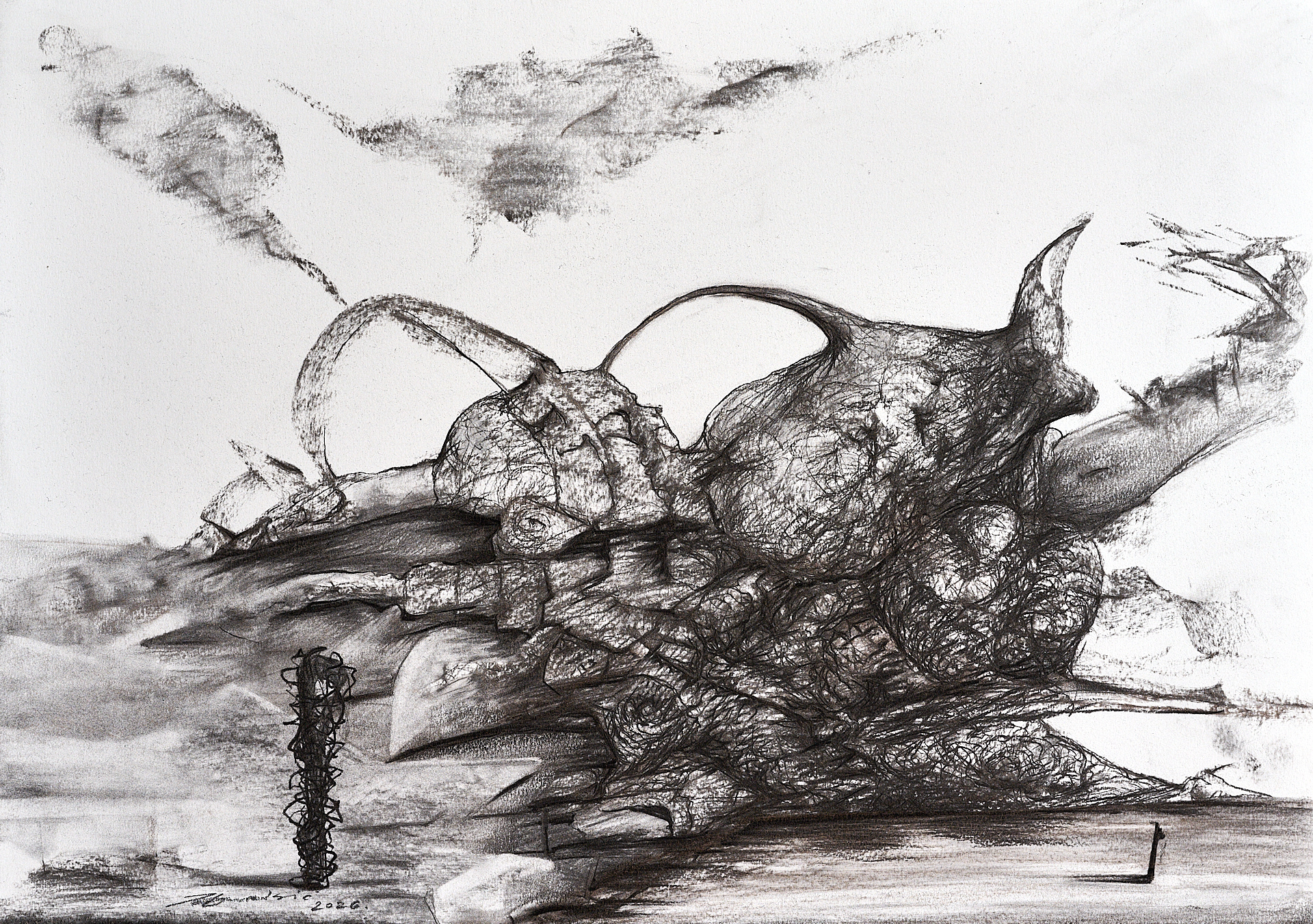
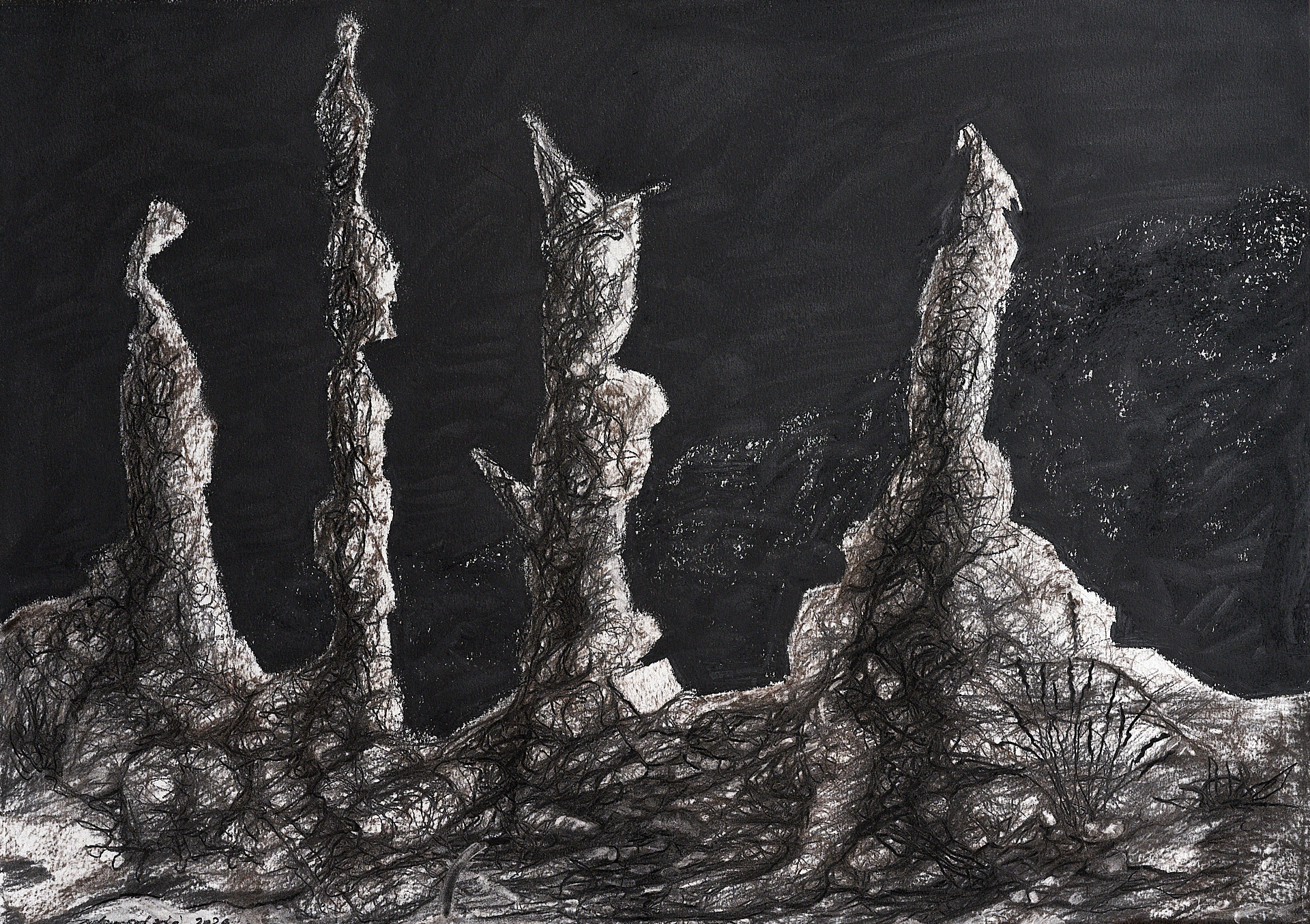
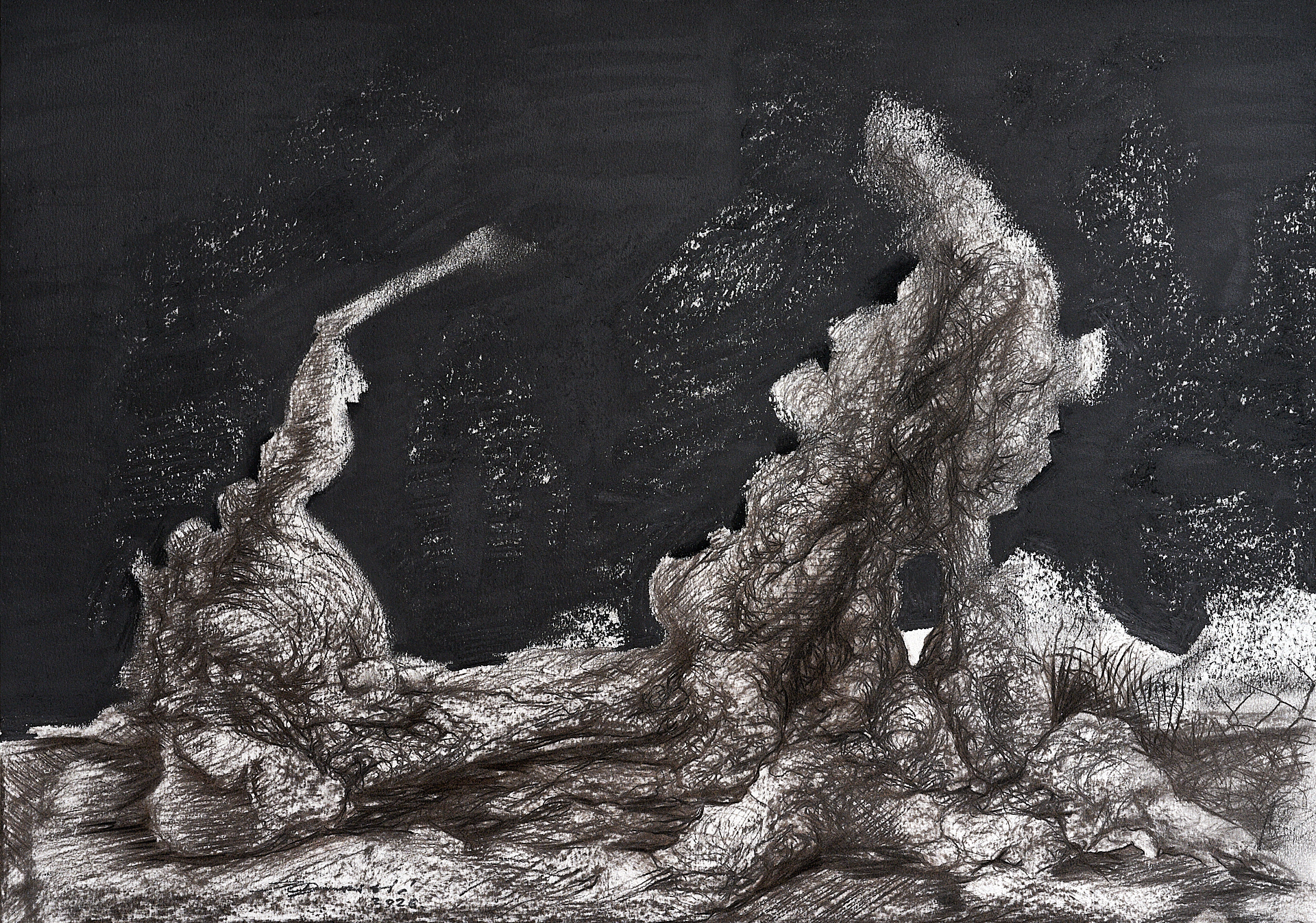
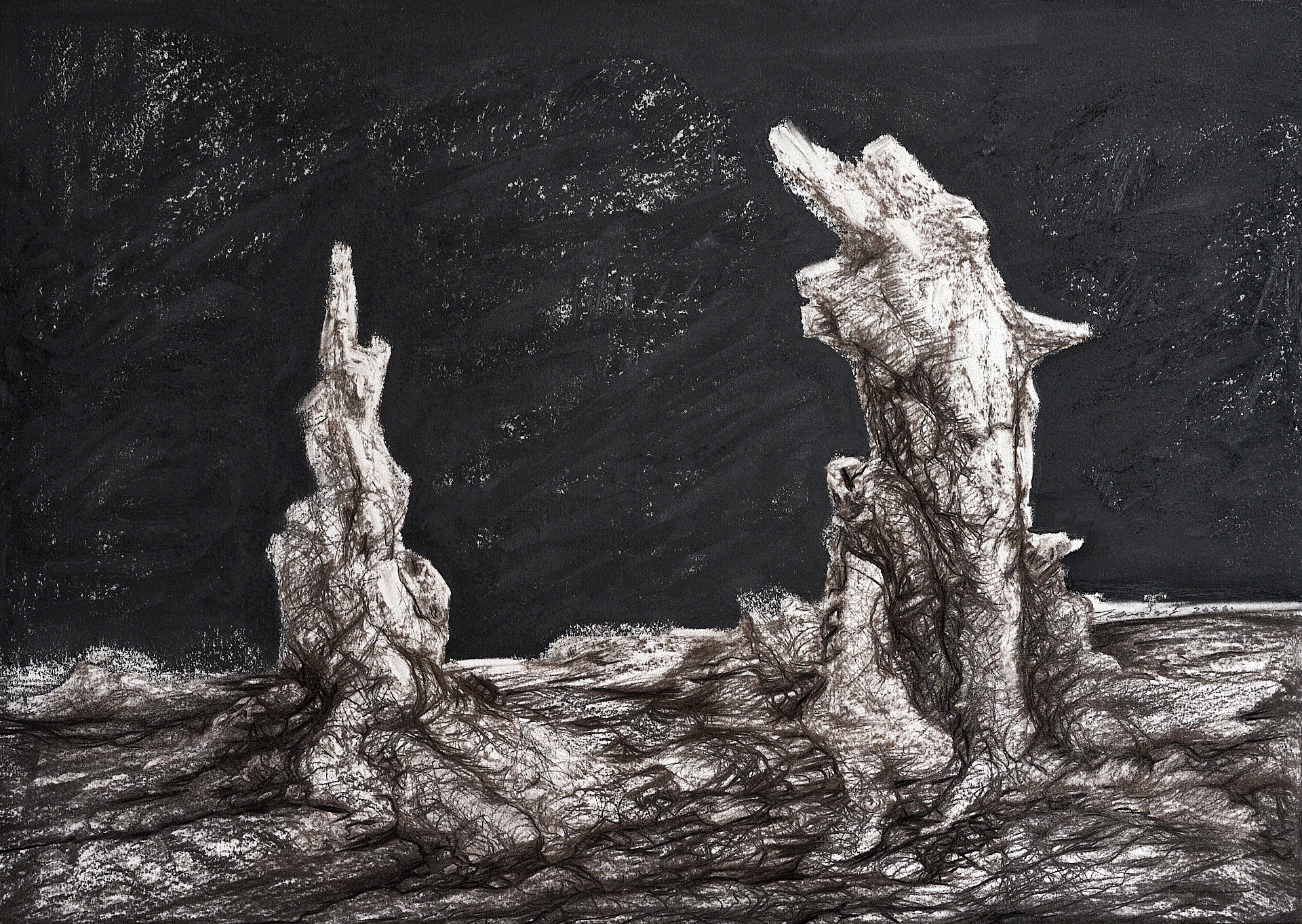
Ivan Đurišić is one of the rare Montenegrin artists of the younger generation who works in the manner of fantastic painting with a surrealistic approach to the transformation of reality. It is about an artistic ambassador of lavish imagination who finds the coded layer of his creative sensibility in the secrets of general civilizational values, in the vacuum of a stopped time, in a space where the boundaries of the real and imagined are virtually moved.
Master's exhibition, Cetinje 2010.
Solo exhibition 'Memories - sightings', Museums and Galleries Podgorica, Podgorica, 2011.
Solo exhibition, Sue Ryder gallery, Herceg Novi, 2011.
Solo exhibition, Luštica Bay, 2015.
Solo exhibition, Maritime Heritage Museum, Tivat, Porto Montenegro, 2022.
Traditional exhibitions of the Association of Fine Artists of Montenegro
Herzegovinian winter salon in 2023 and 2024
Biennial of Fantasy, Ilije M. Kolarca Foundation gallery, Belgrade 2023.
'Beaty revived' Collection of Pigmalion, Gallery RTS , Belgrade 2023.
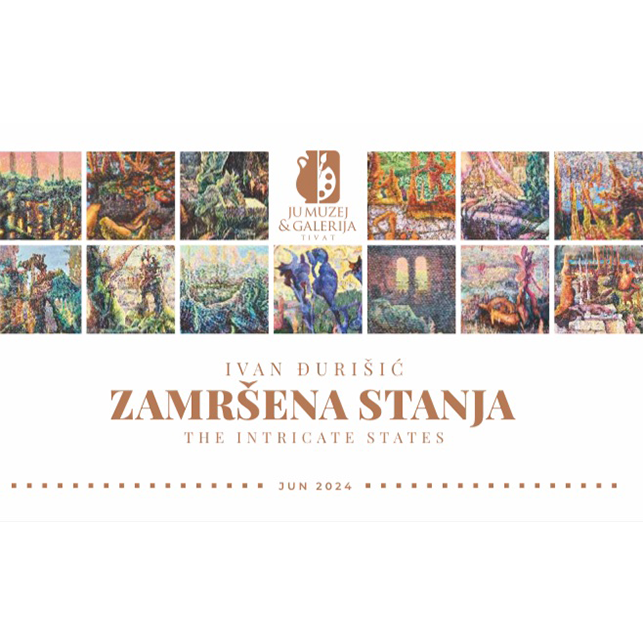
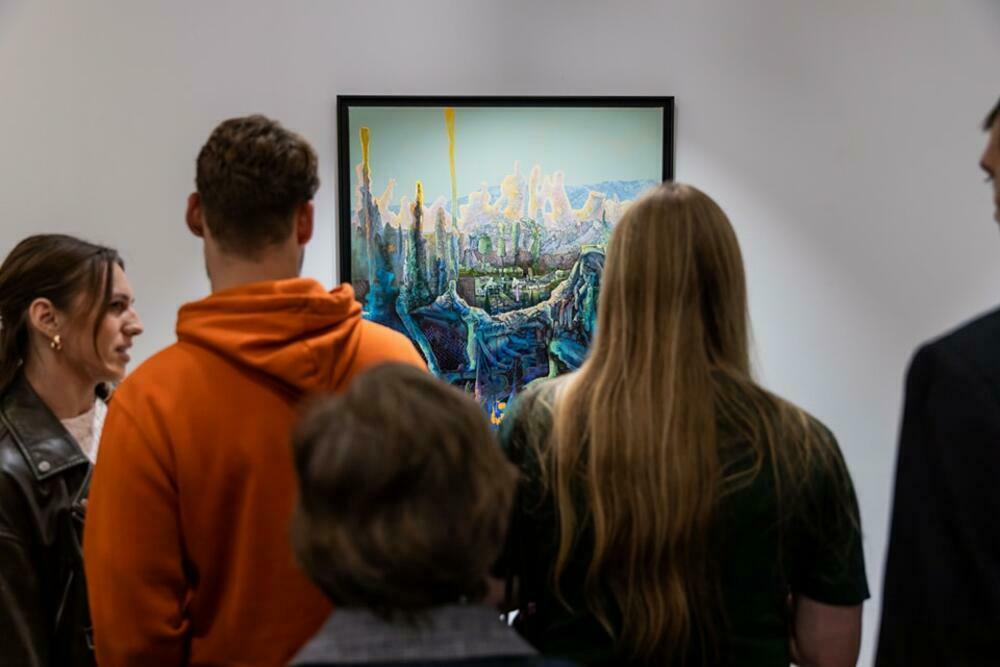
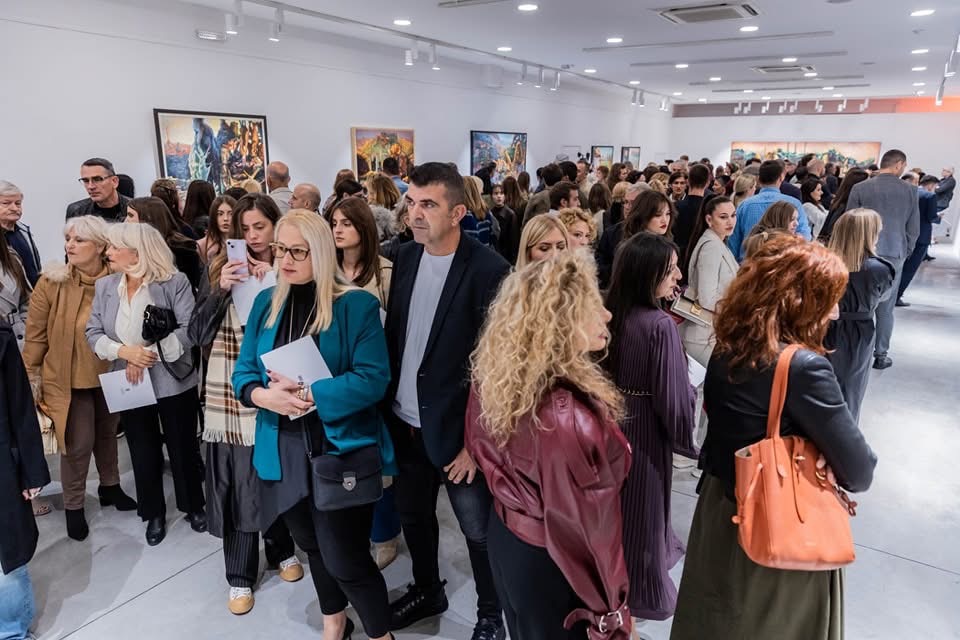
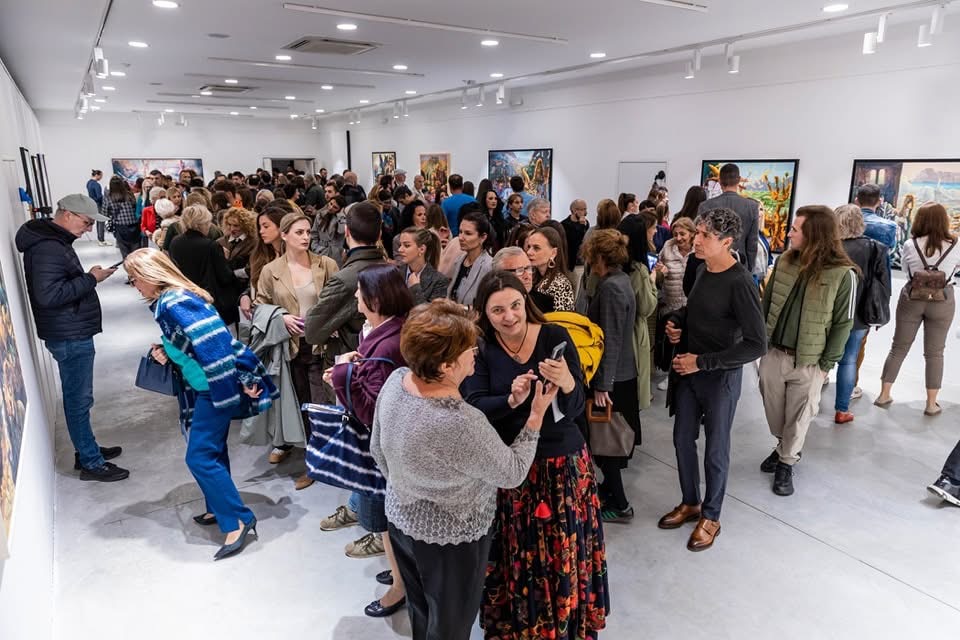
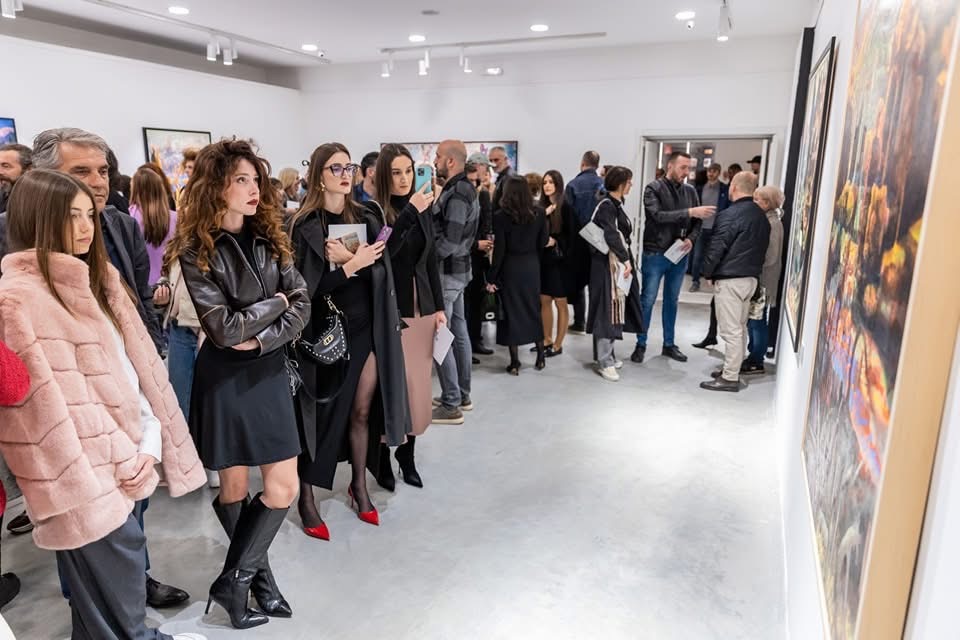
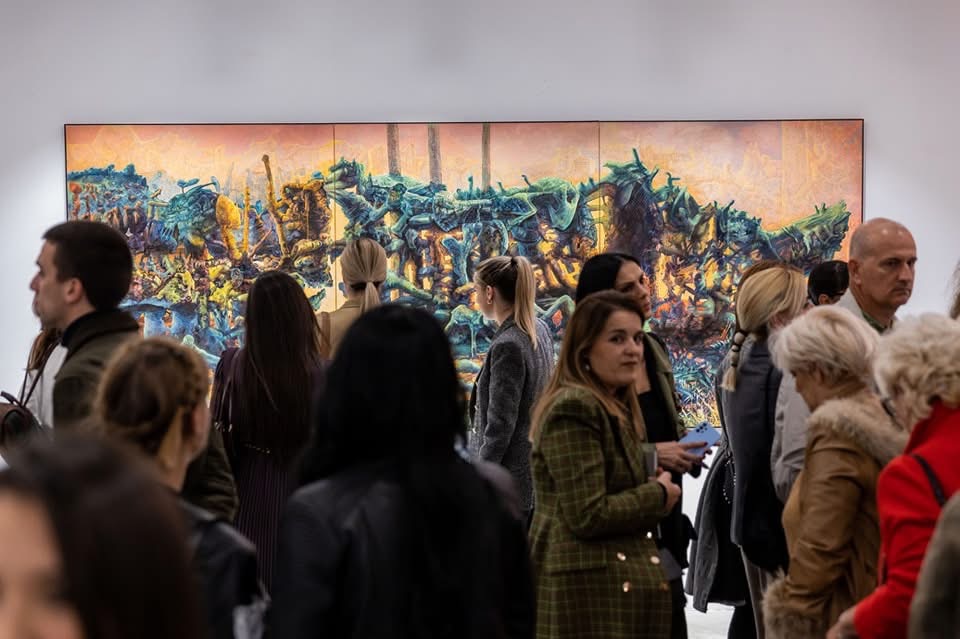
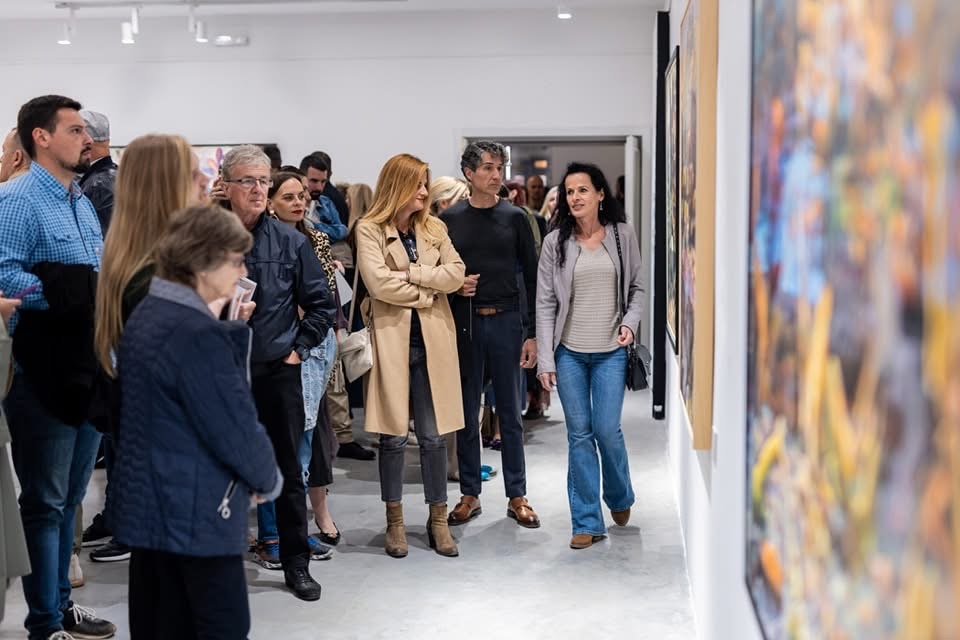
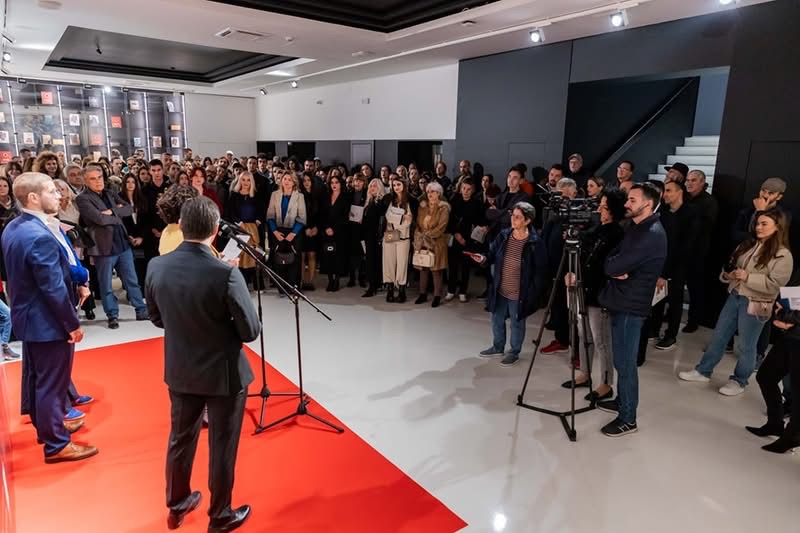
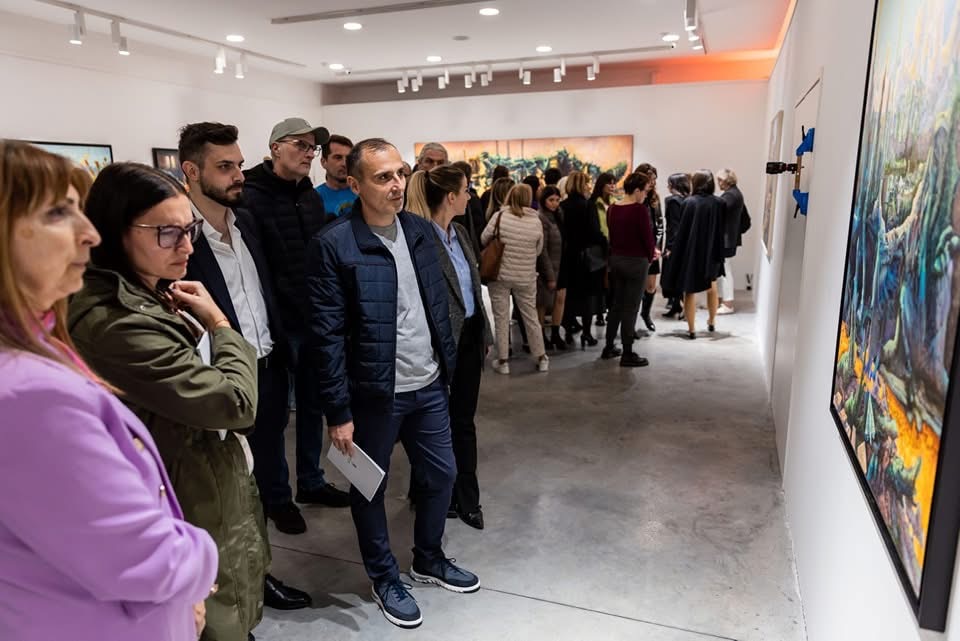
Solo exhibition 'The intricate states', Museums and Galleries Tivat, Tivat, 2024.
He is the winner of the award for the most succesful students of the University of Montenegro.
Reviews
Petrica Duletić, Art Historian
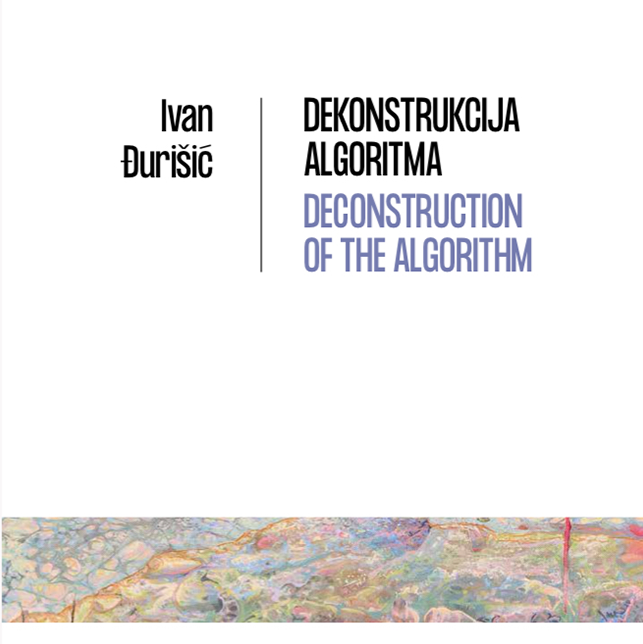
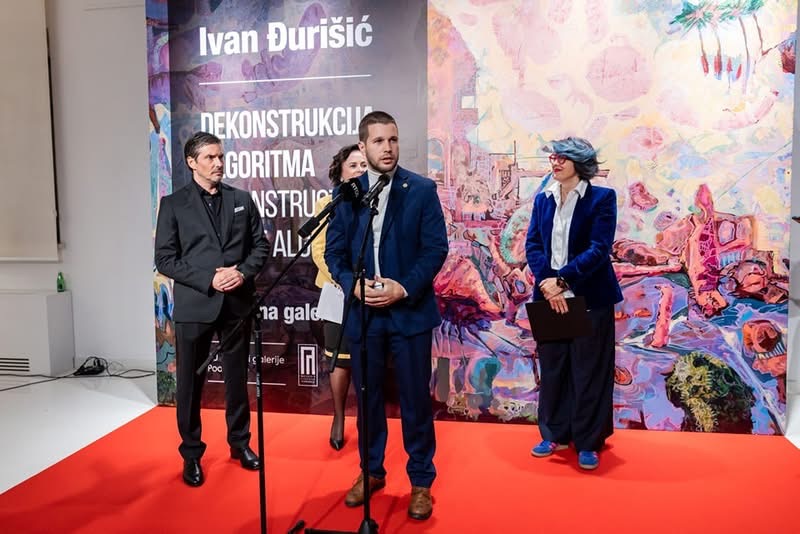
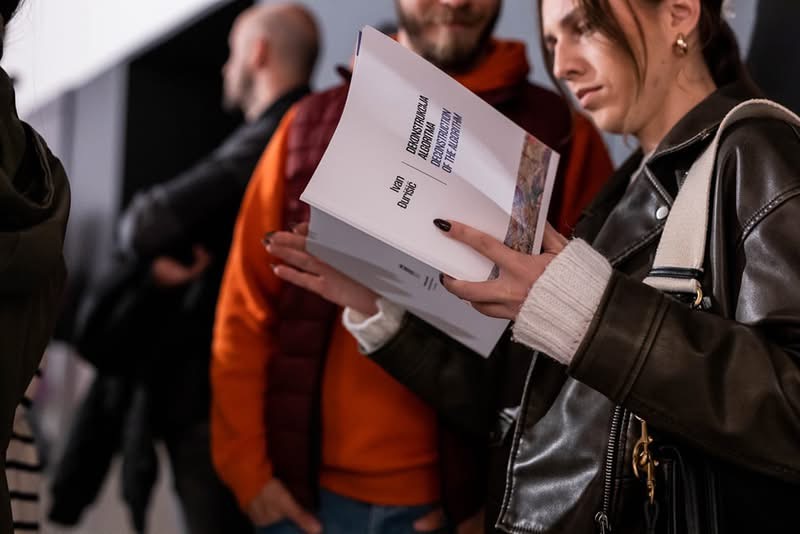
DECONSTRUCTION OF THE ALGORITHM
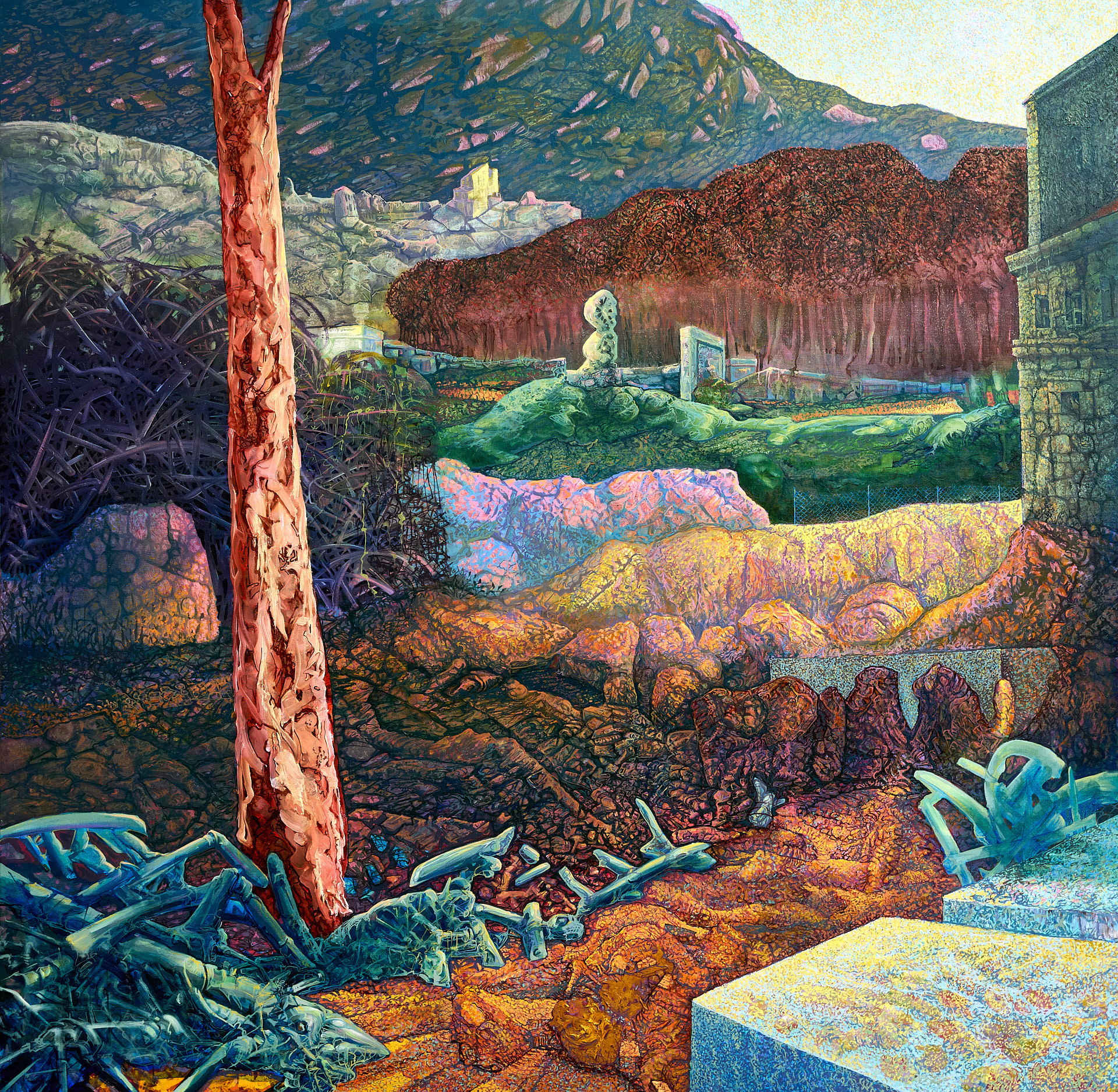
The recent cycle presented by Ivan Đurišić is a continuation of the research and reflections introduced at his solo exhibition Memories – Seeing, held at the Modern Gallery in Podgorica in 2011. Following his neo-Romantic approach to landscape painting, the artist opened a new field of exploration in which the landscape becomes a mystery, and artistic expression moves toward the realms of the fantastical and the surreal.
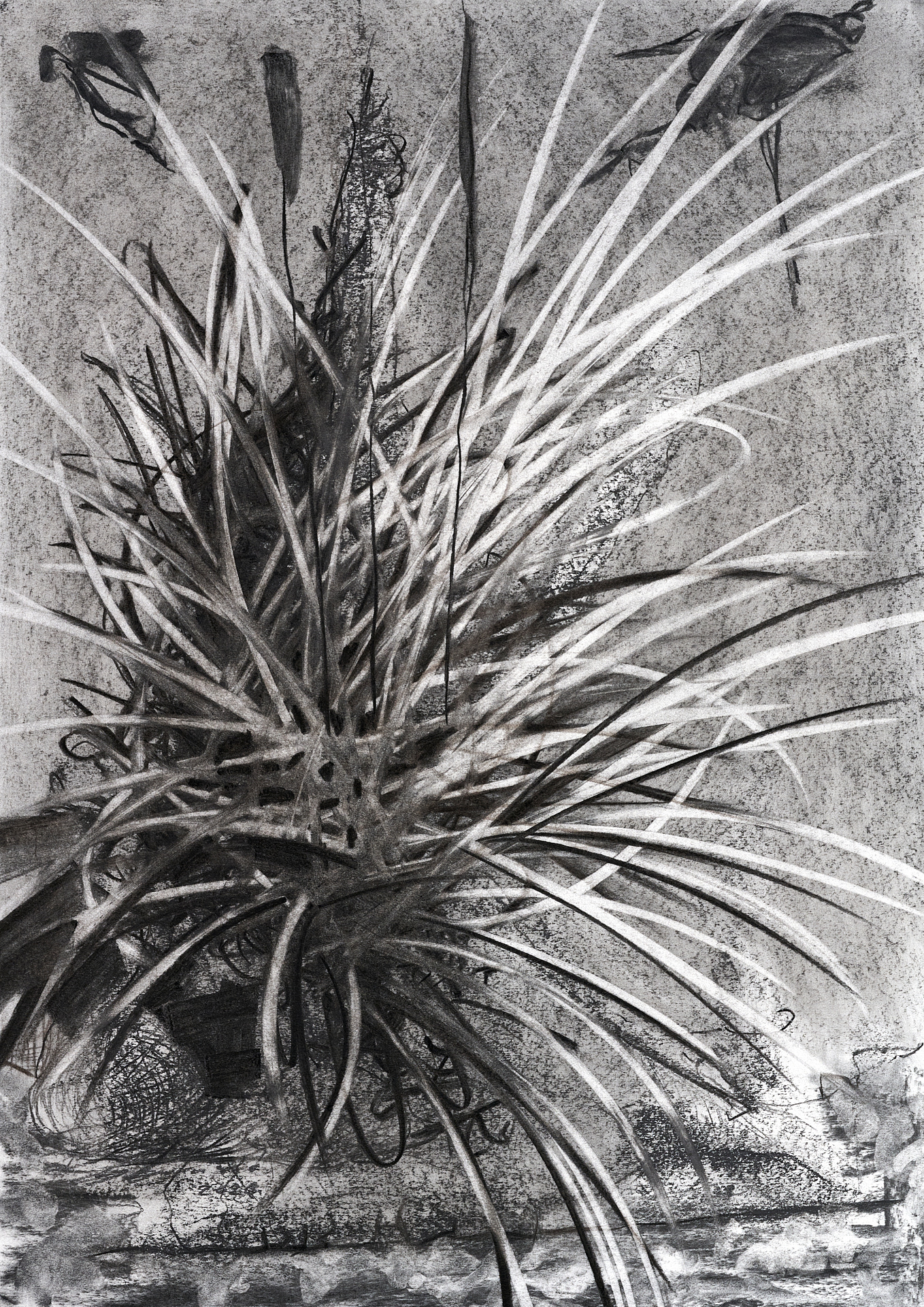
The qualities that bring Đurišić’s work from fantastical painting closer to Surrealism lie in the constant activation and reactivation of subconscious and imaginative impulses. By exploring the distant realities of dreams, he uncovers the hidden dimensions of human existence. On the canvas, the artist intertwines the real and the unreal, synthesising and separating them, while these internal processes create expansive spaces for the viewer’s perception, dialogue, and entirely new interpretations.
Through his heightened imagination and sensitivity, Ivan opens worlds where the concepts of possible and impossible, past and future, near and distant, dead and alive lose their opposing meanings and exist within a reality freed from conventional relationships.
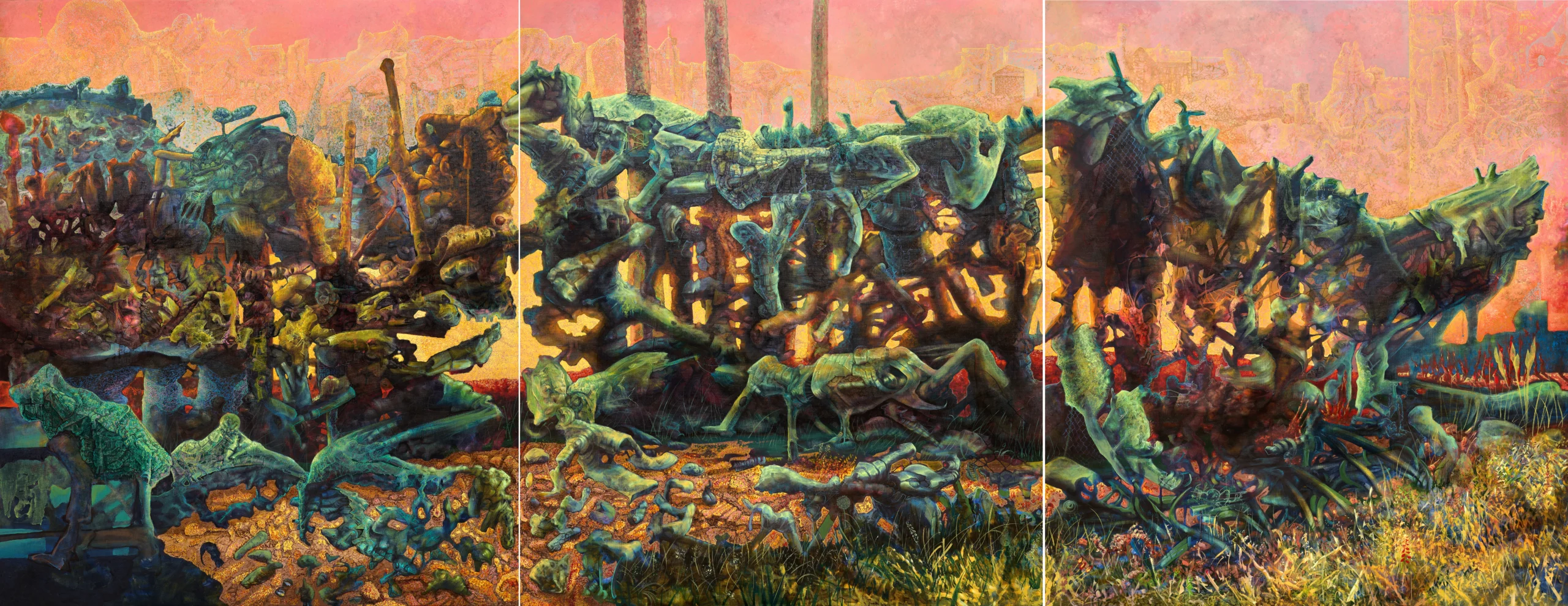
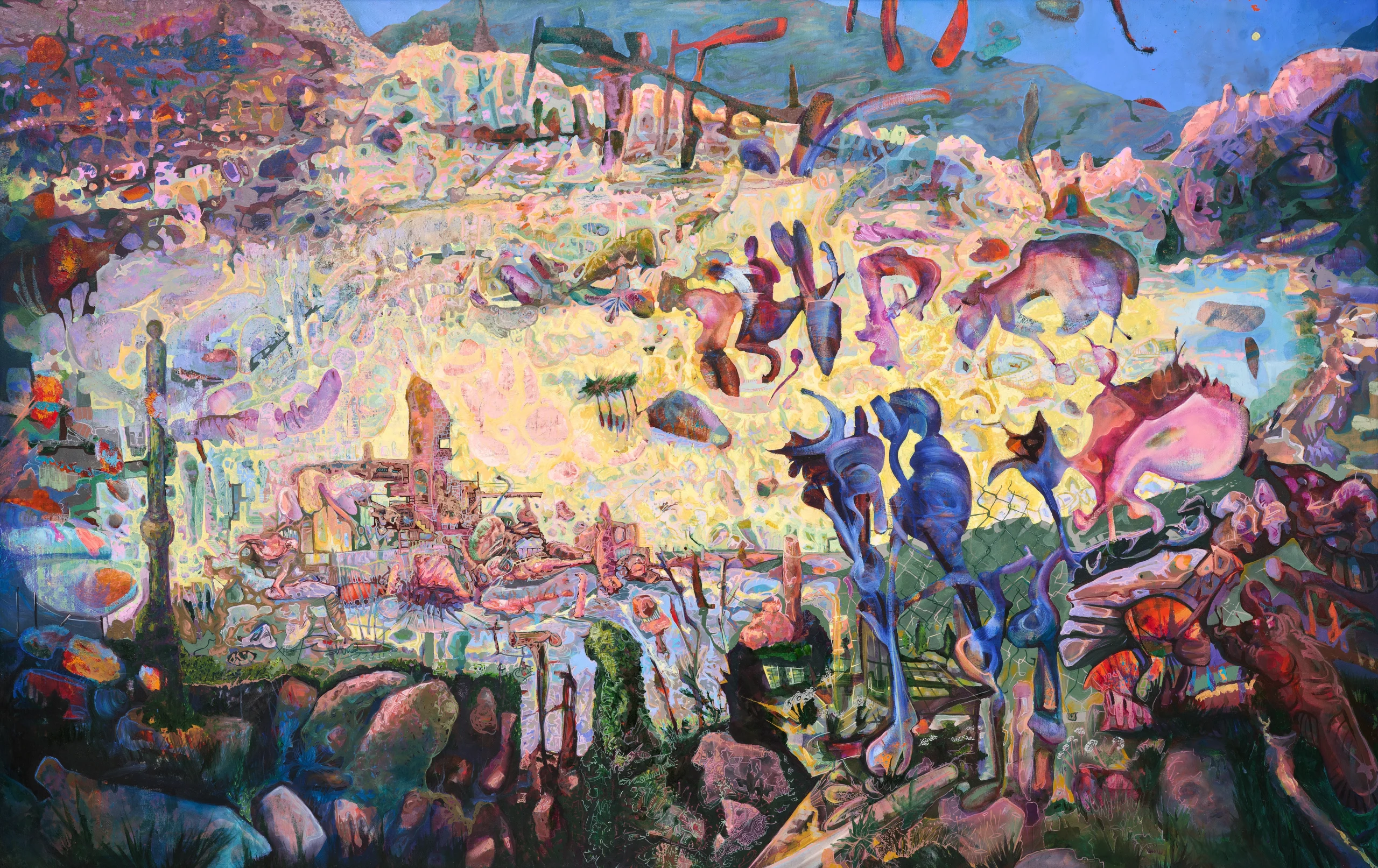
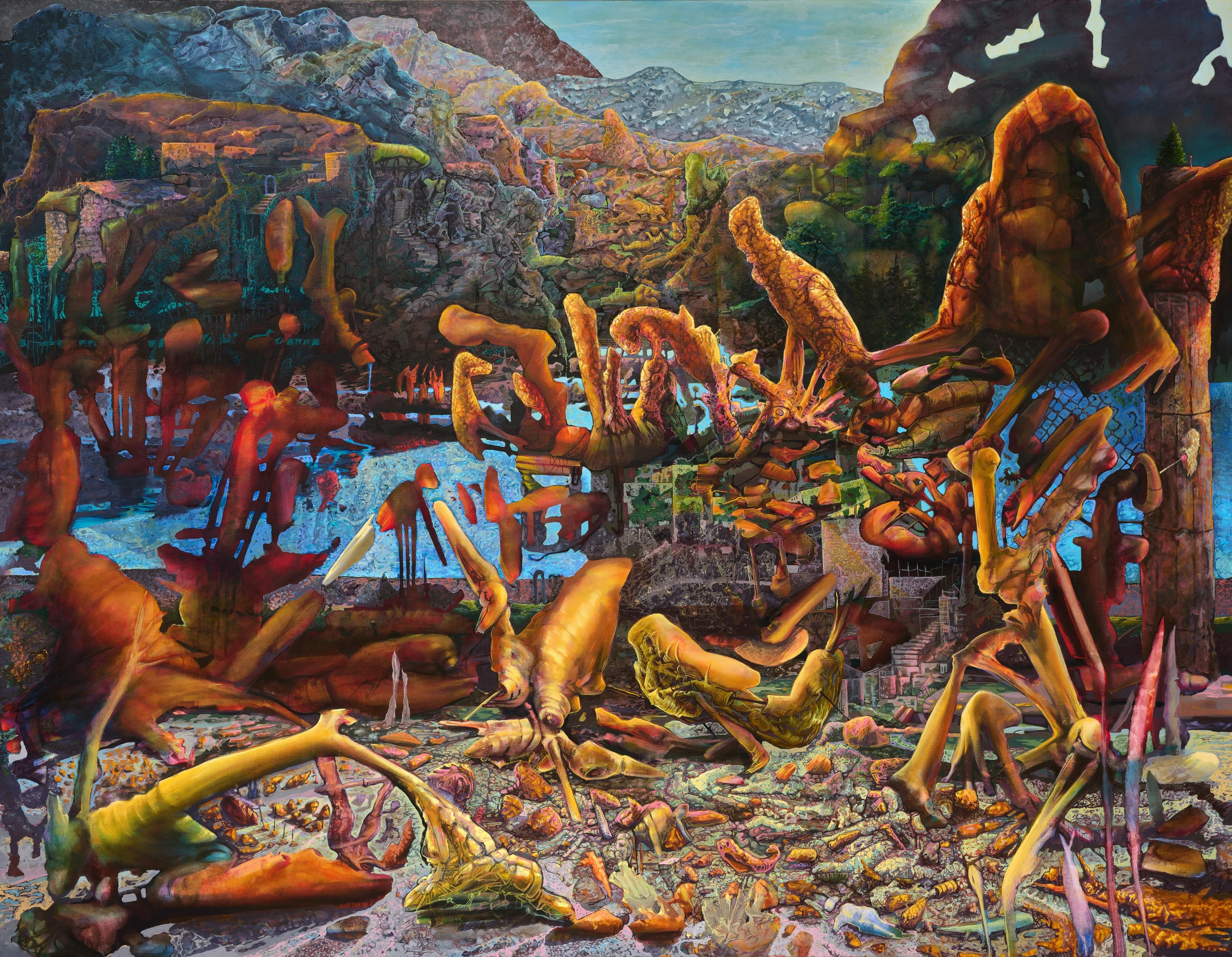
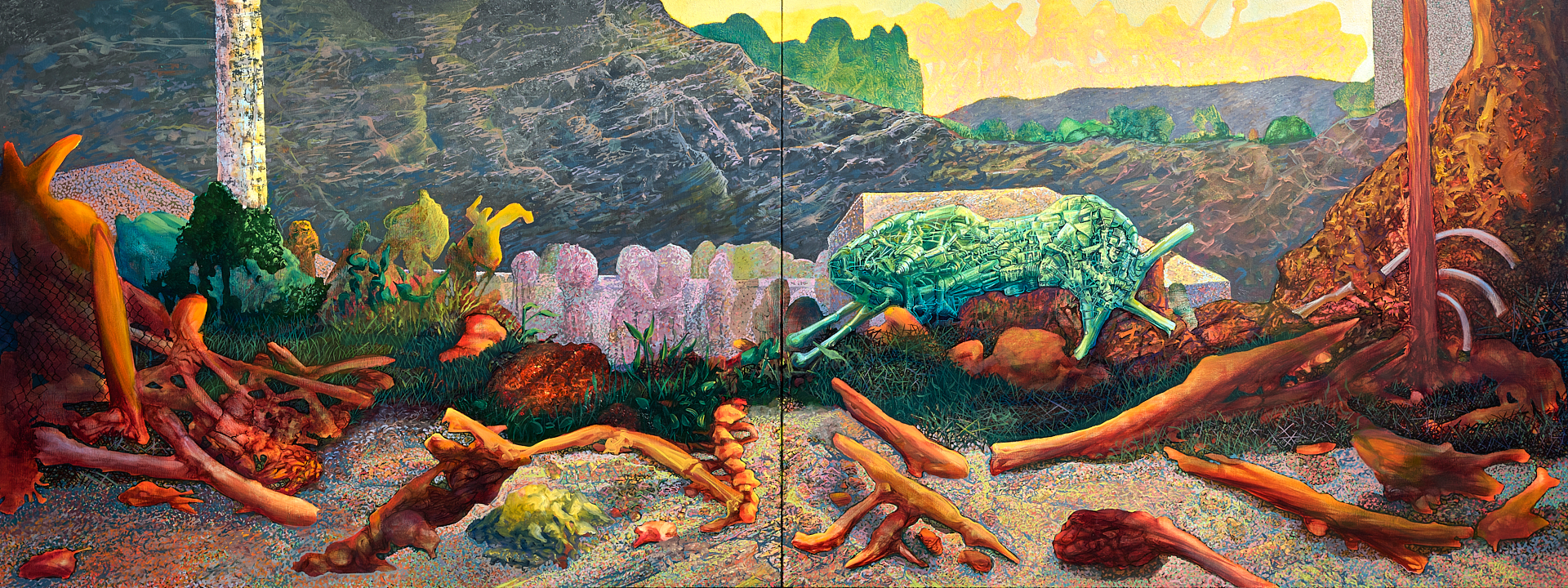
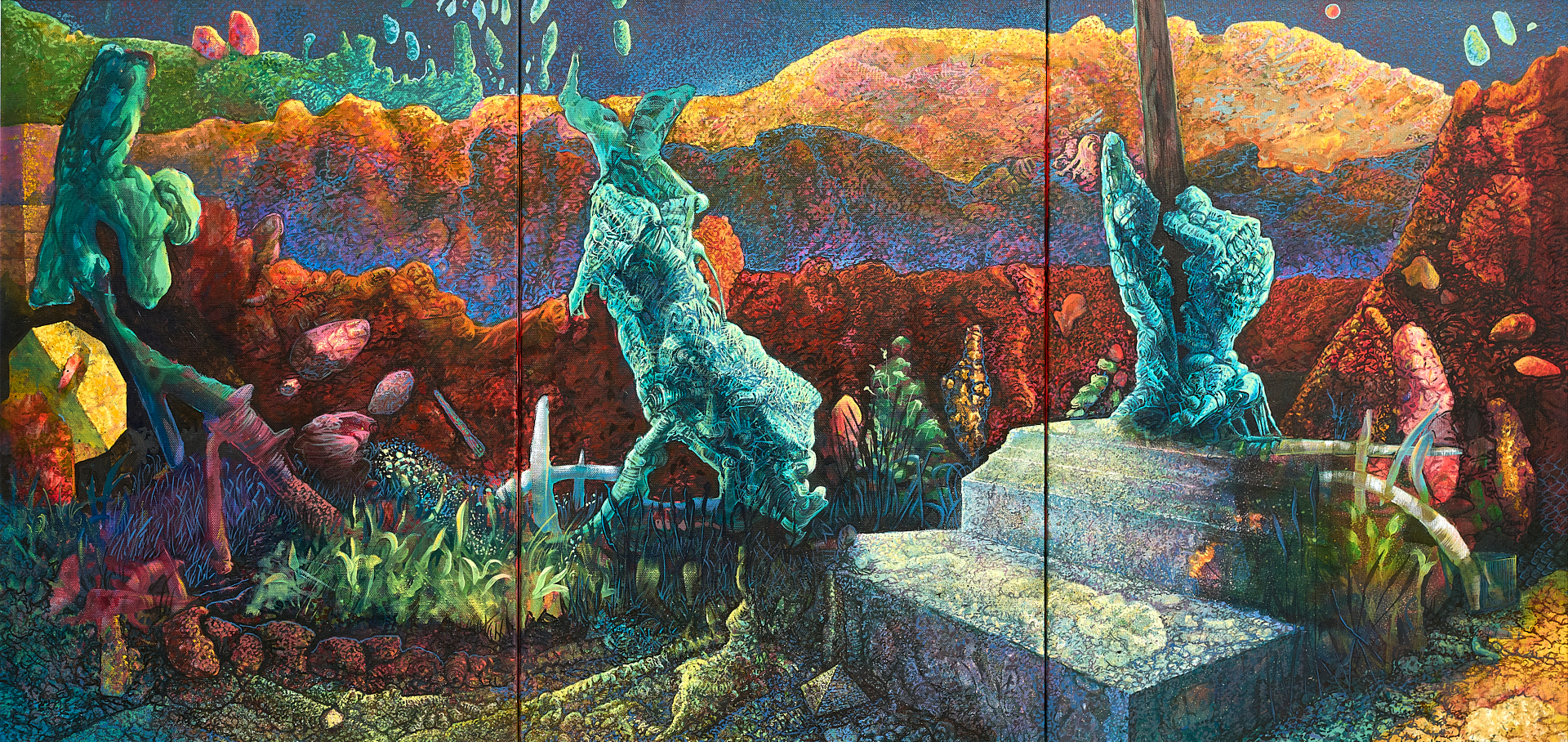
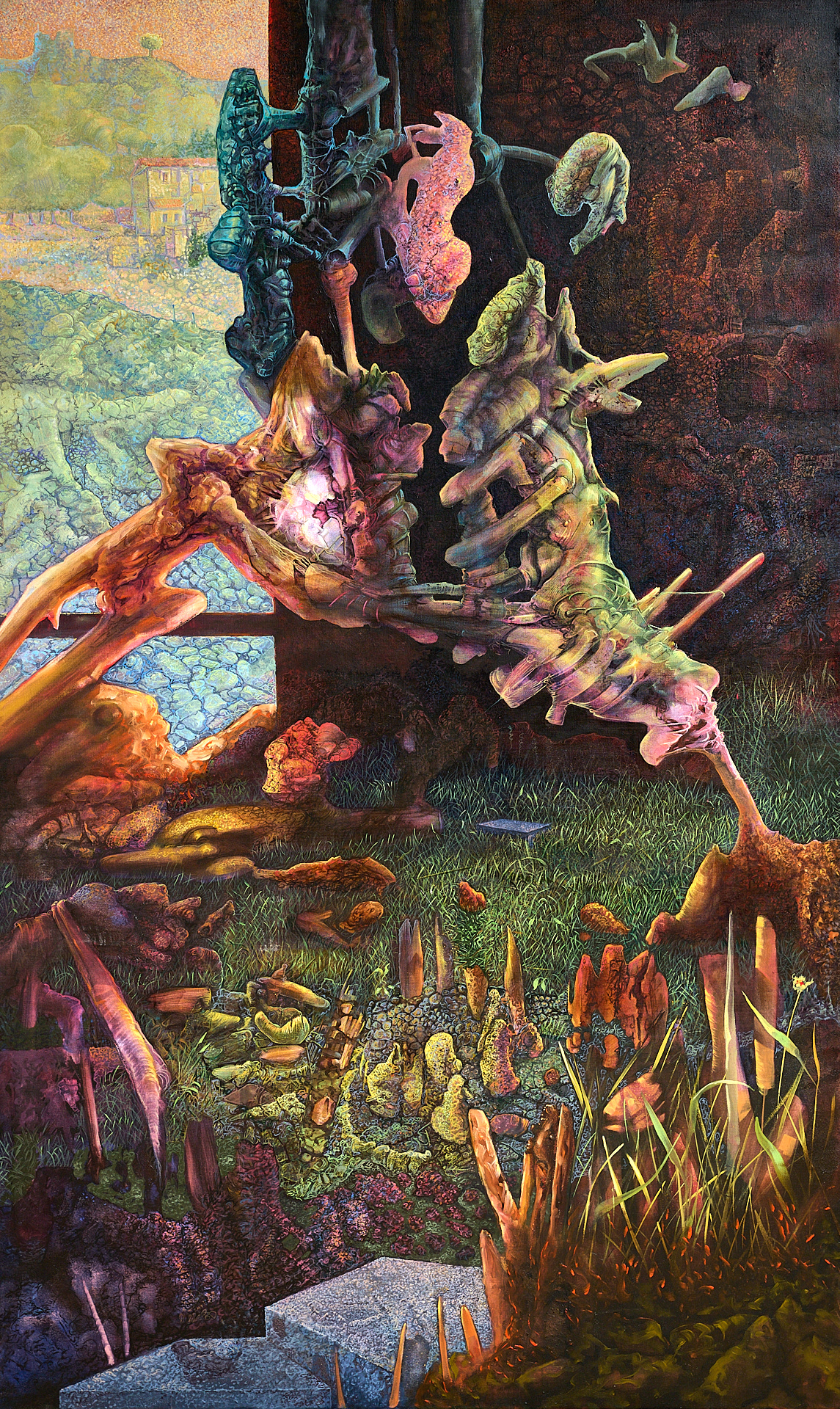
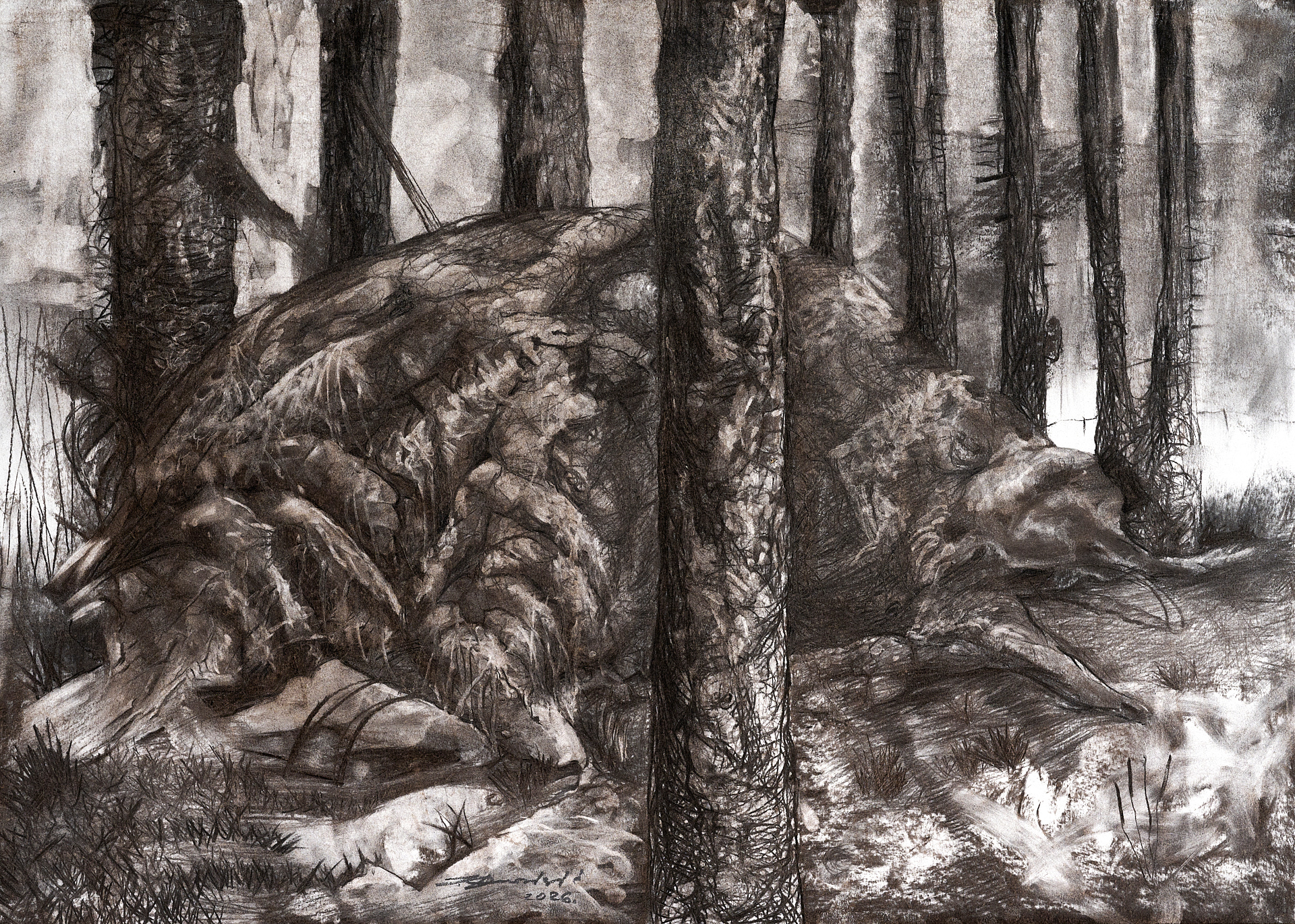
His paintings are inhabited by miraculous and unreal beings, distorted human and animal forms that coexist within an intricate network of unusual objects, vegetation, and architectural elements—together, yet strangely unfamiliar to one another.
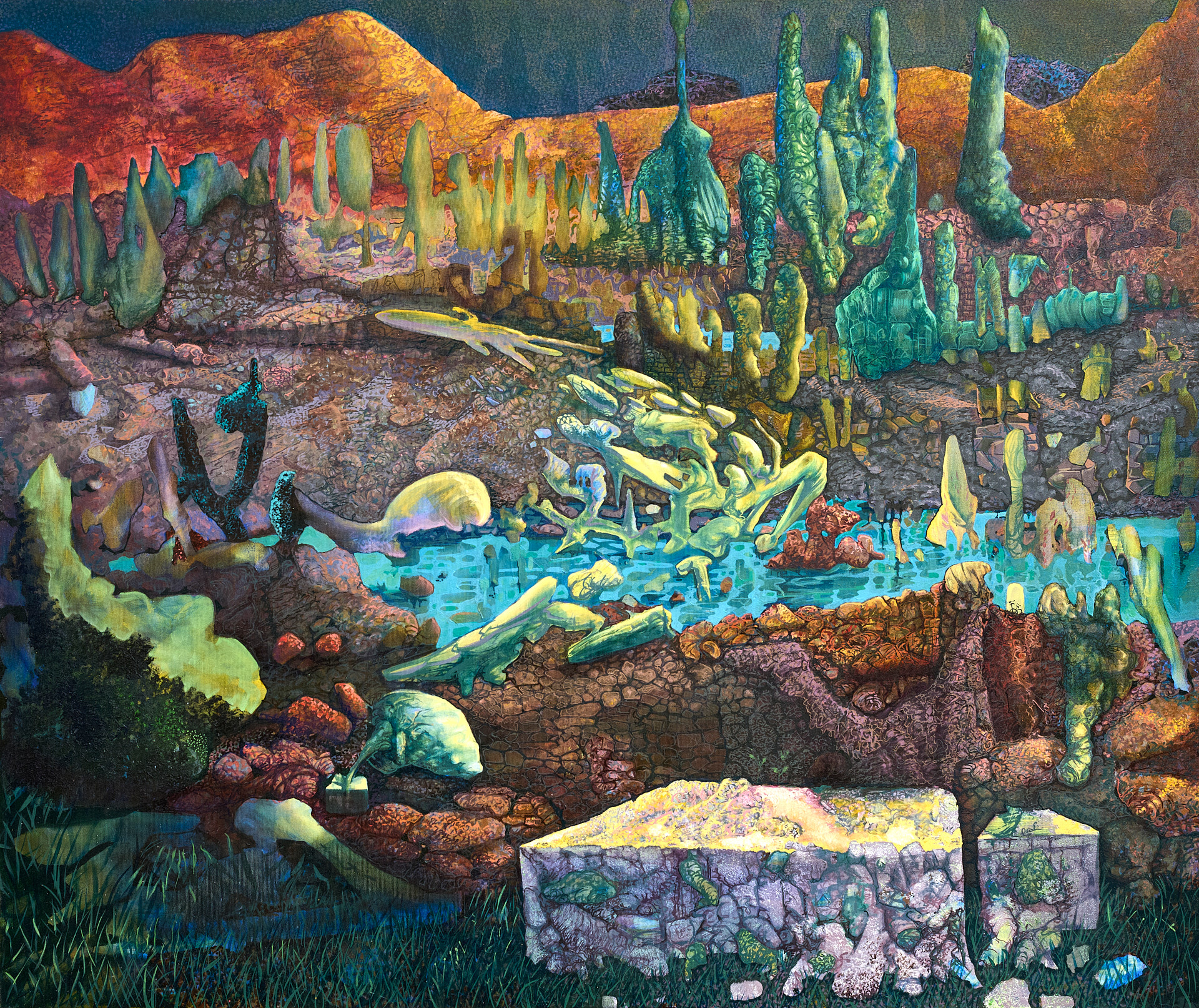
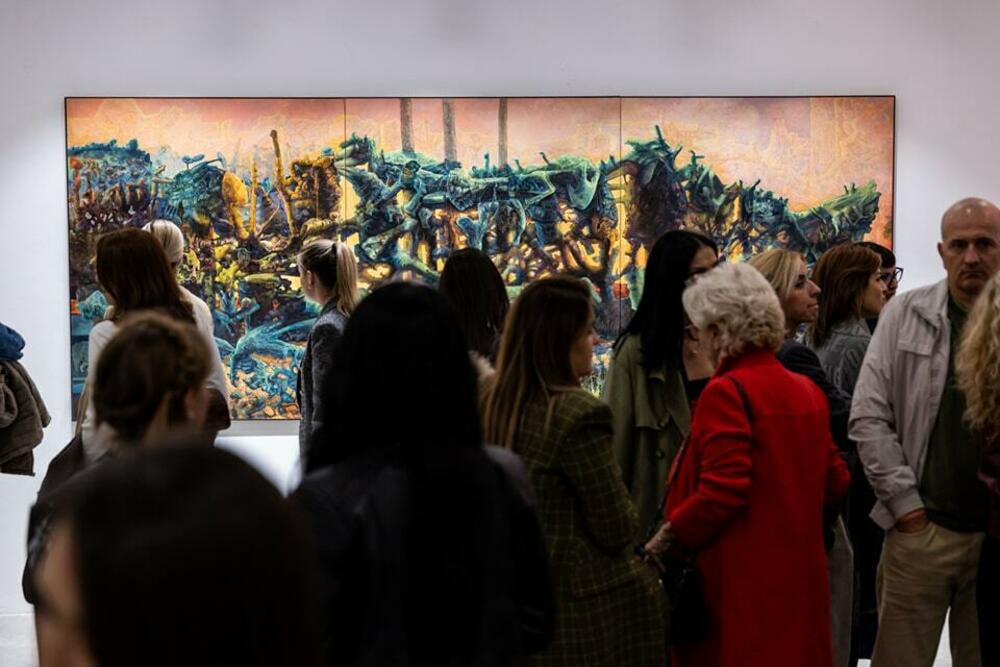
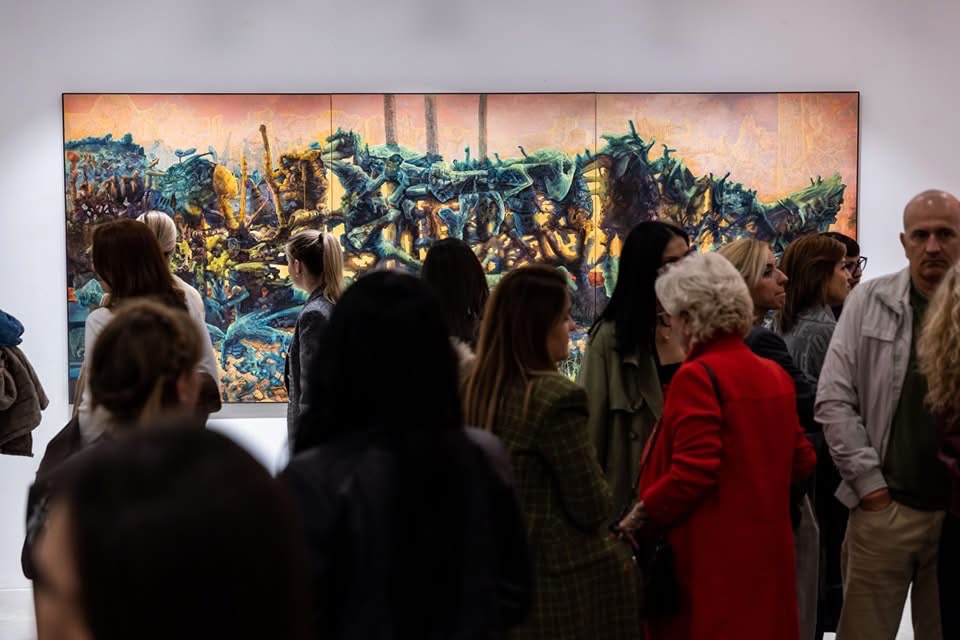
This multiplication and accumulation of forms is, in fact, carefully organised, often constructed around stable geometric grid structures. From a technical perspective, the paintings are based on drawing, glazing, underpainting, and the interplay between delicate brushstrokes and textured surfaces. Through subtle modulations of light, the artist employs tones of blue-green, green, ochre, yellow, blue, brown, and orange. Combined with boldness and refinement, these colour relationships reveal a profound mastery of painterly technique.
The luminous quality of the paintings arises from the daring juxtaposition of warm and cool colours, while dark passages approaching black serve as moments of pause and mediation, providing structural balance to the overall harmony. Through colour, the artist condenses the motif into a sign: a sign of humanity and its destiny, an existential metaphor.
Smaller pictorial elements are assembled into “logical” compositional structures, creating a unified system of signs whose semantic foundations are more suggested than explicitly stated.
Unexpected and often unforeseen outcomes, emerging from distorted or deformed forms, evoke the impression of surreal states. Yet the broader source of inspiration for these works lies in deeper, archetypal layers of artistic consciousness and, more precisely, within the sphere of spiritual heritage.
What appears to be the spontaneous construction of an image is consistently transformed by the artist into a deliberate act of redefining the meaning of space. In this process, the creation of a new and enduring work becomes inseparable from the uninterrupted materialisation of the creative act itself. Both in the making of the work and in its final form, Đurišić combines multiple opposites in an original and at times intentionally absurd manner.
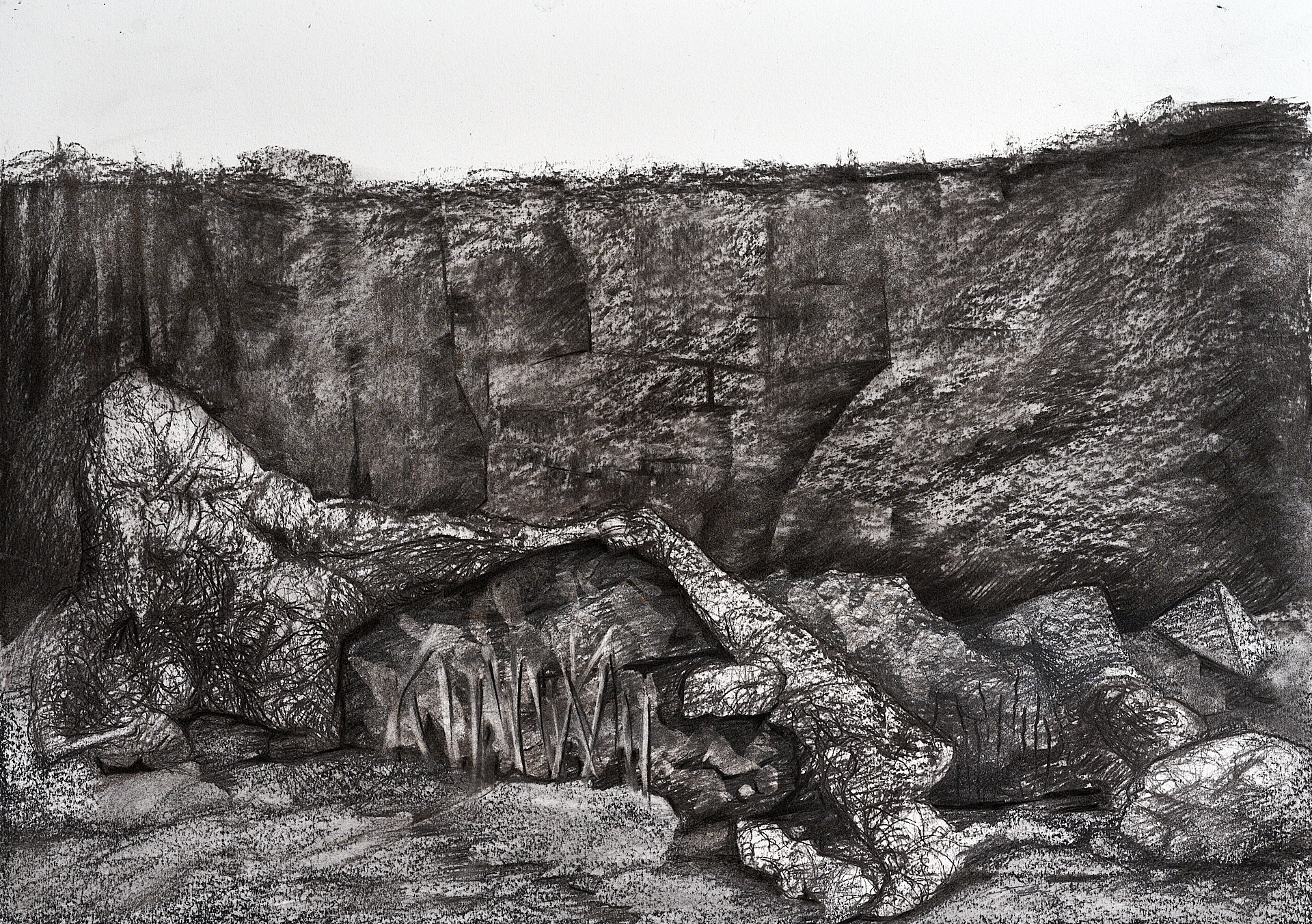
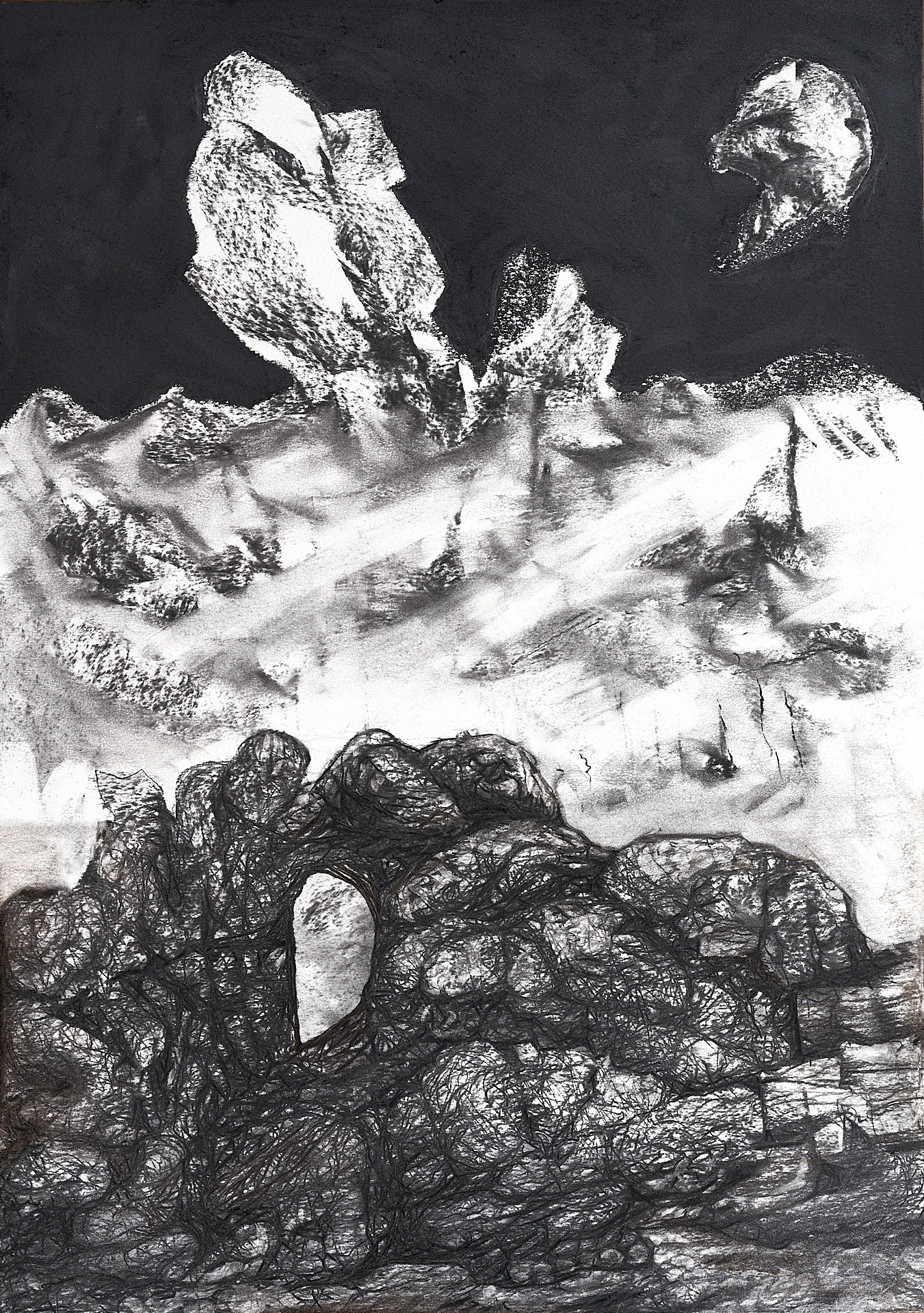
Playing with formally abstract elements and with organic and inorganic forms, the artist explores microscopic structures beyond ordinary perception, enlarging them until they lose their connection with the visible world and, in the spirit of Surrealist thought, enter the domain of the fantastical. Through the systematic multiplication and interconnection of motifs, which seem to follow their own organic logic, the artist intentionally heightens a sense of restlessness and irrational chaos. In his large-format paintings, colours pulse dynamically, transforming the image into a three-dimensional spatial experience that extends beyond the boundaries of the canvas.
The painting thus becomes a new artefact—a provocation—a simultaneous union of extremes: apparent order and genuine chaos, or perhaps the reverse. It becomes part of an unstoppable movement, a fragment of a real, unknown, or constructed universe. The immediacy and openness of Đurišić’s artistic engagement are embodied in the compelling expressiveness of the imaginary and the intellectual, activating not only rational but, above all, sensory responses that leave no viewer indifferent.
As a painter of the younger generation, Ivan Đurišić developed his artistic concept at an early stage of his career. It evolved from the phantasmagorical and fantastical toward a distinctive form of Surrealism, an approach rarely encountered within Montenegrin painting.
Podgorica, 2.10.2024.
Ljiljana Zeković, Art Historian
An artist does not paint what he dreams, he paints as he dreams.
Ivan Đurišić is one of the rare Montenegrin artists of the younger generation who works in the manner of fantastic painting with a surrealistic approach to the transformation of reality. He is an artistic ambassador of lavish imagination, whose creative sensibility is rooted in the secrets of universal civilizational values, in the vacuum of suspended time, and in a space where the boundaries between the real and the imagined are constantly shifting.
In his long-standing artistic practice, characterised by the neo-Romantic poetics of landscape painting based on the harmonious relationship of real and abstract forms, Đurišić reached a turning point in the third decade of the twenty-first century. Guided by his creative restlessness, he opened a complex field of exploration into the great mysteries of unravelled and recoded nature. For him, nature is a mystery, an abyss in which matter and energy, according to the principles of quantum physics, possess a magical power of connection.
At the intersection of mythical symbols and the natural features of his native landscapes, he awakens archaic primordial images. From fragments of the visible and invisible, the real and surreal, the abstract and unreal, he shapes associative forms into symbolic ideograms.
He introduces the viewer into dramatic spaces of fear, uncertainty, and unrest that resist temporal interpretation. In his paintings, the past, present, and future become a single time capsule in which everything is possible.
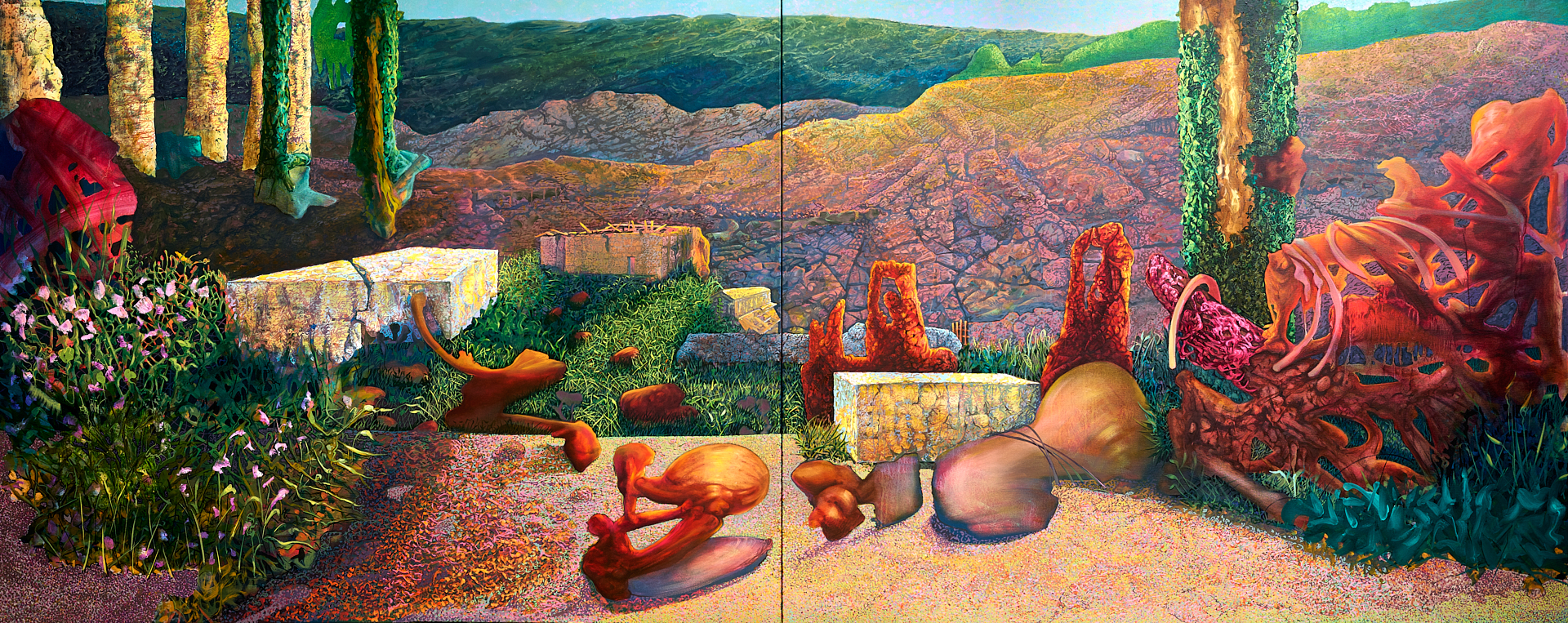
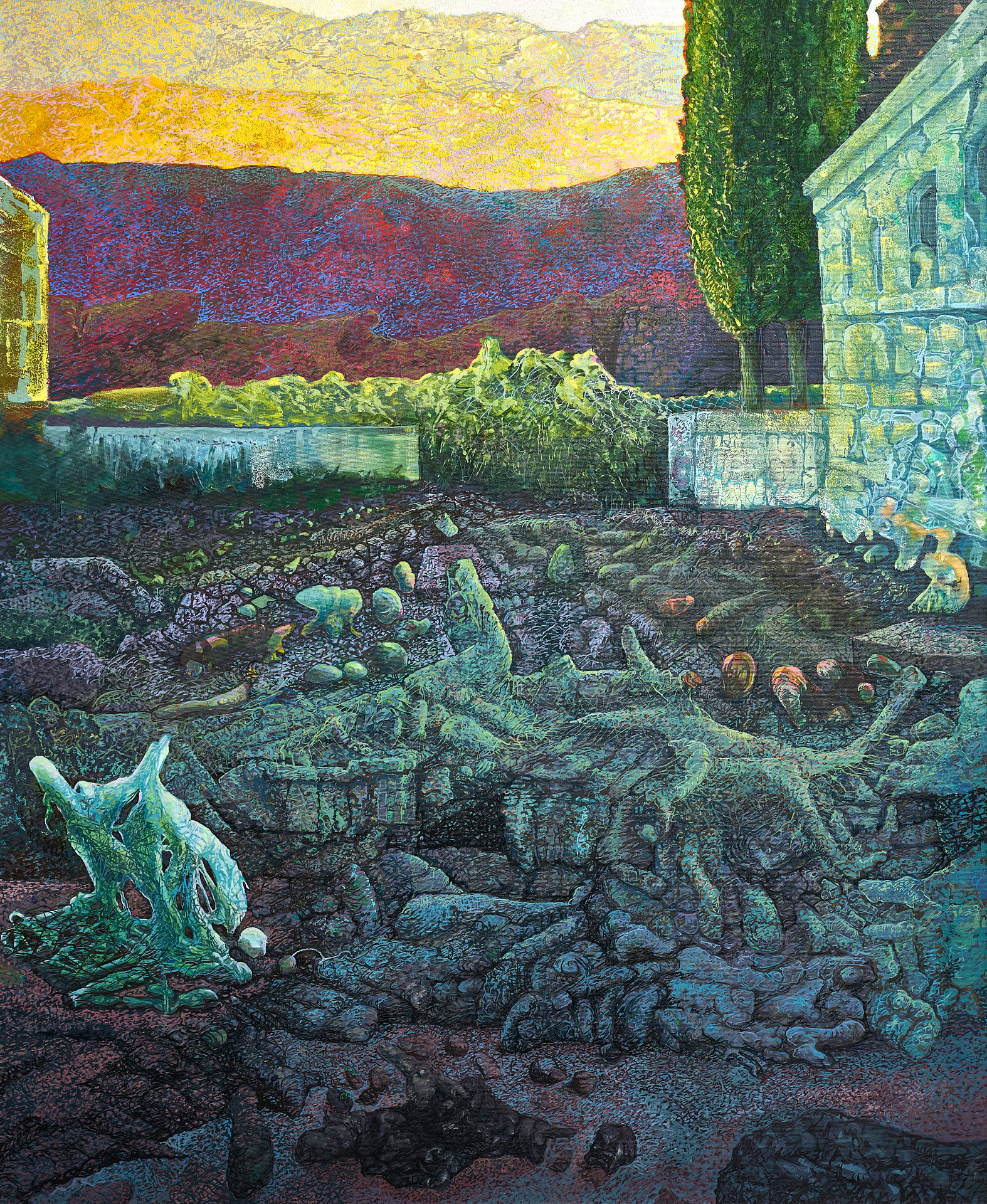
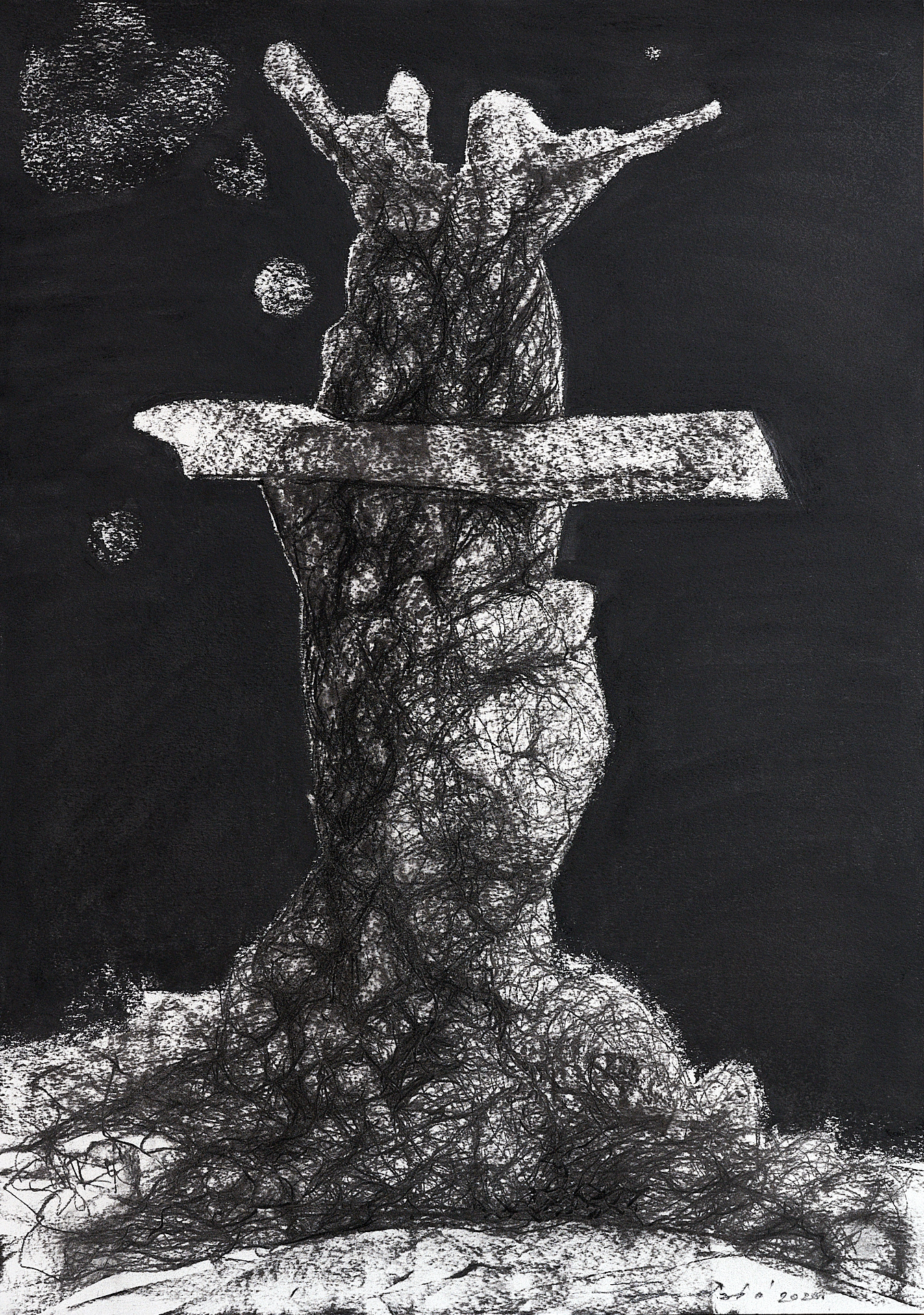
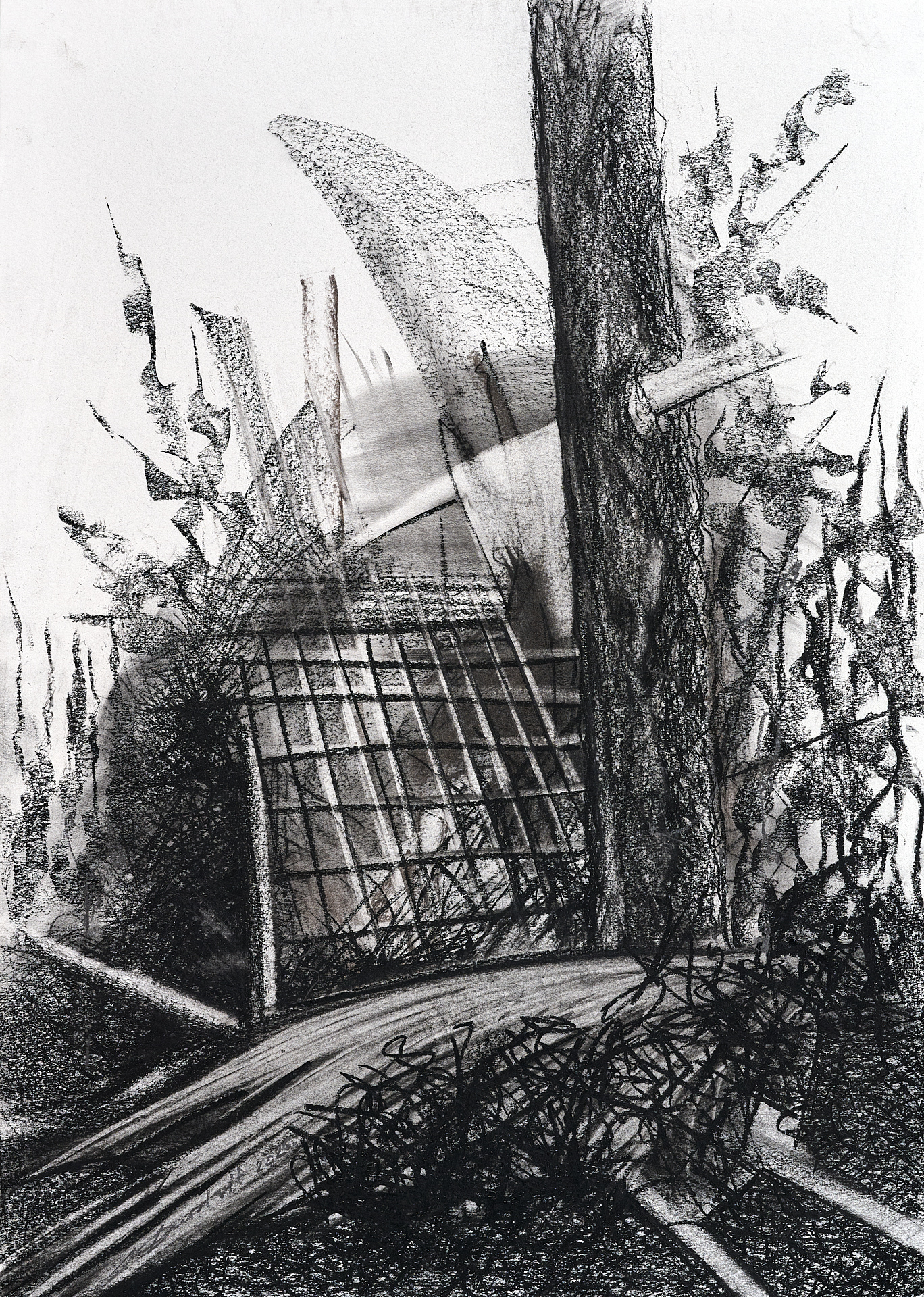
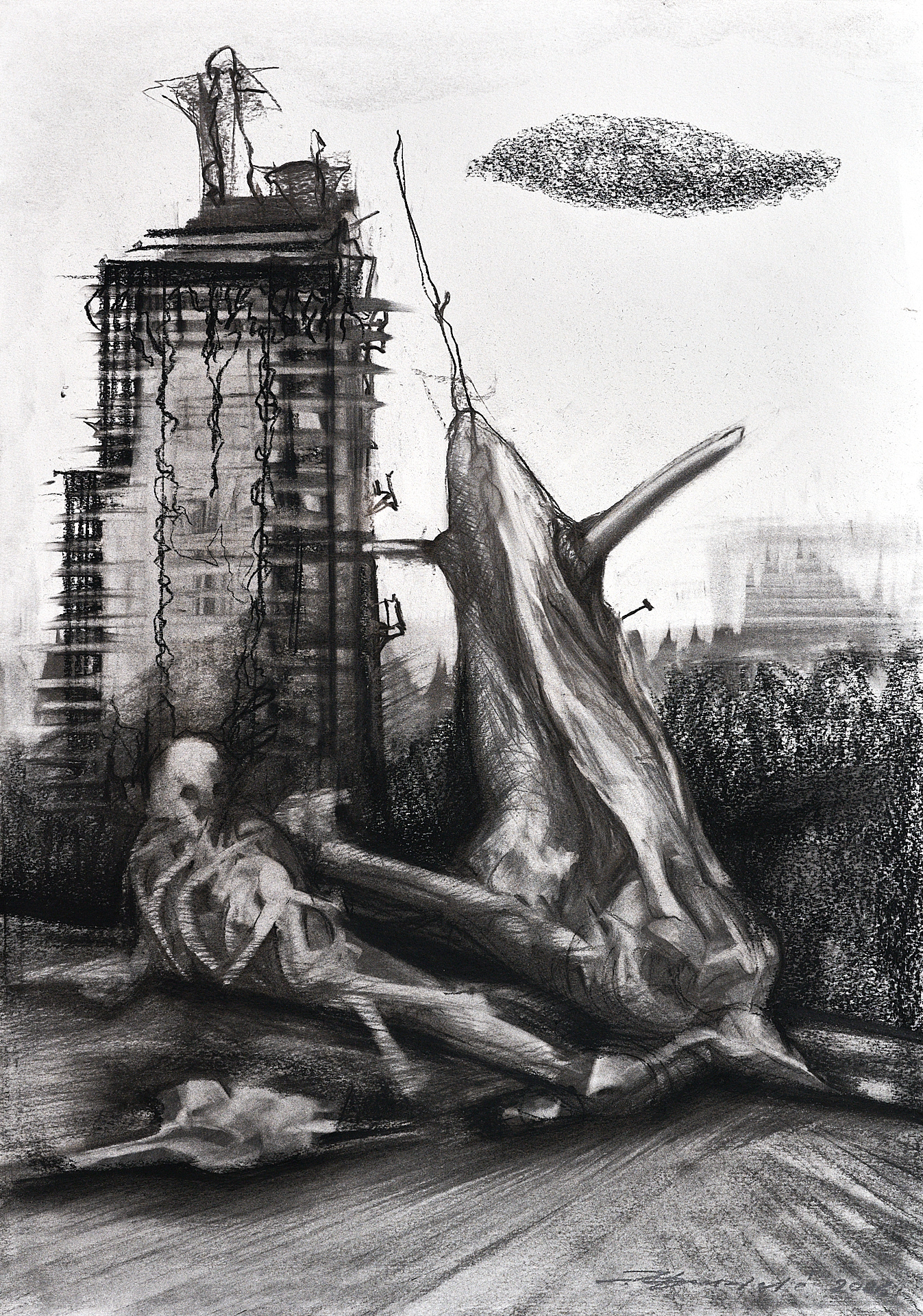
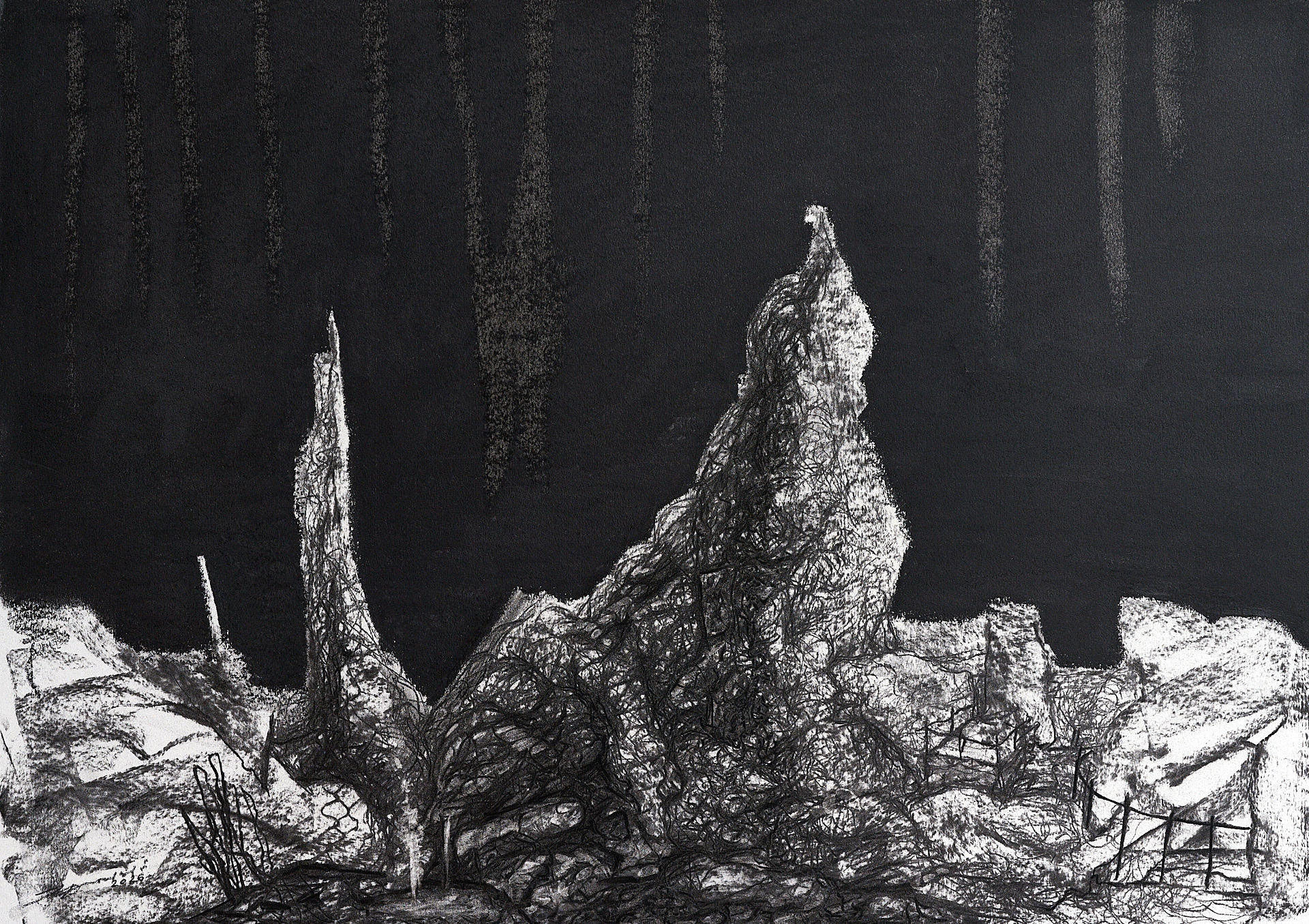
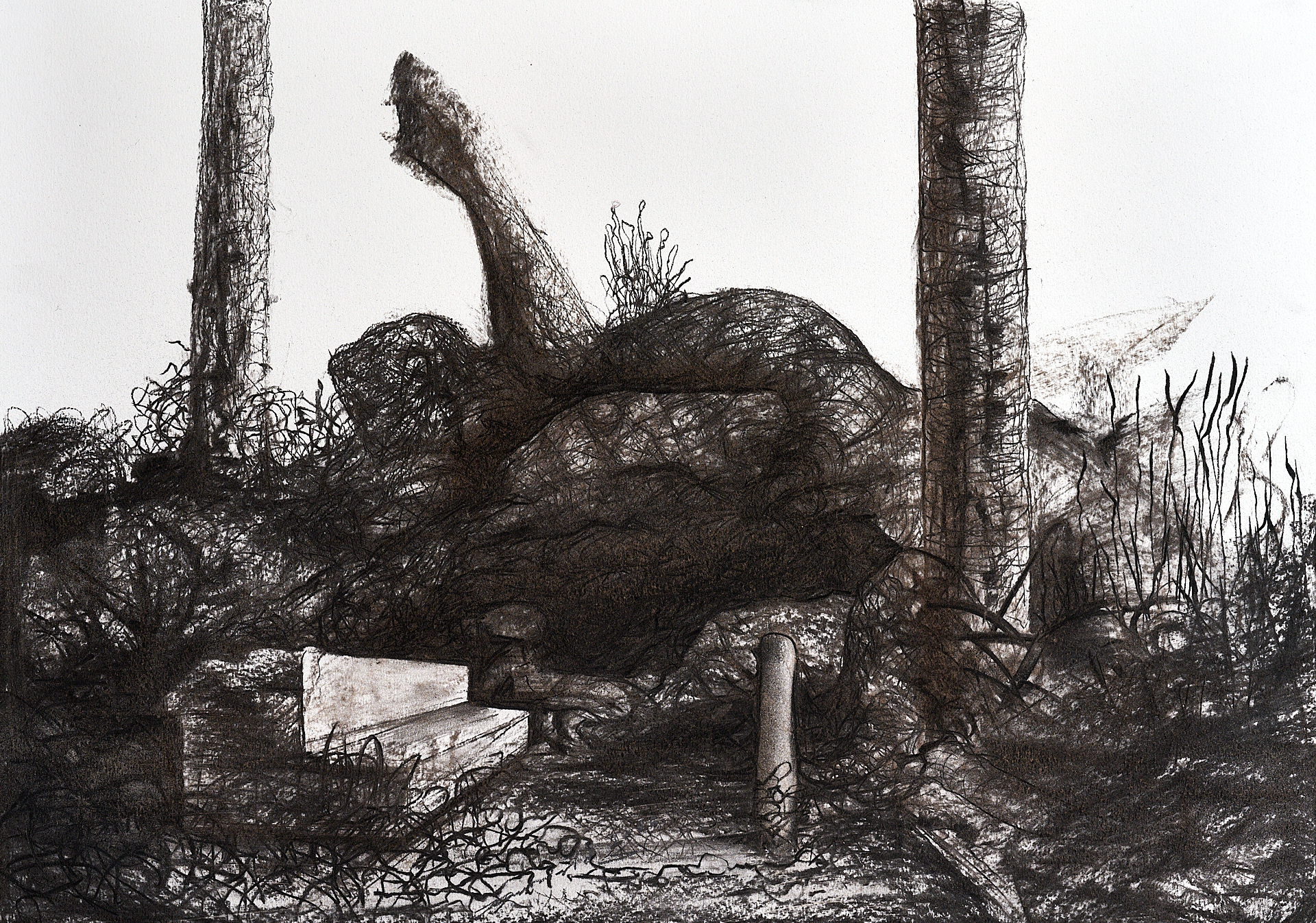
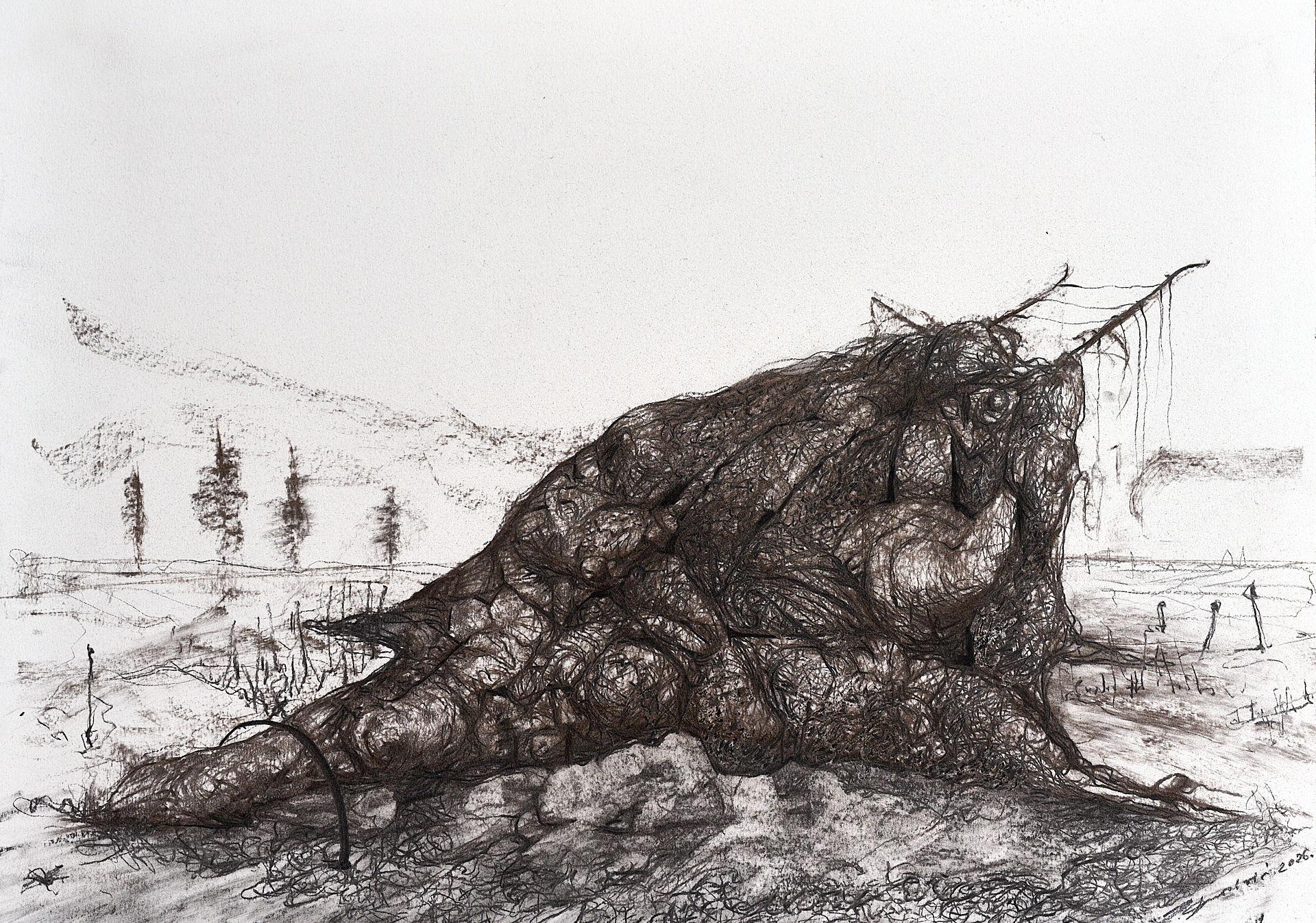
Devastated landscapes populated by petrified forms, distorted animals, and grotesque human figures emerging from infernal realms create a cataclysmic world that serves as a warning to both the present and the future. Yet Ivan's painting carries a deeper meaning. Catastrophe does not belong to another world; it is part of our immediate environment. Landscapes, stone walls, houses merging with hills, the sea and sky, deserted urban structures, ancestral graves covered with moss and ferns, miraculous vegetation, stalagmites, and stalactites all evoke the dawn of human civilisation.
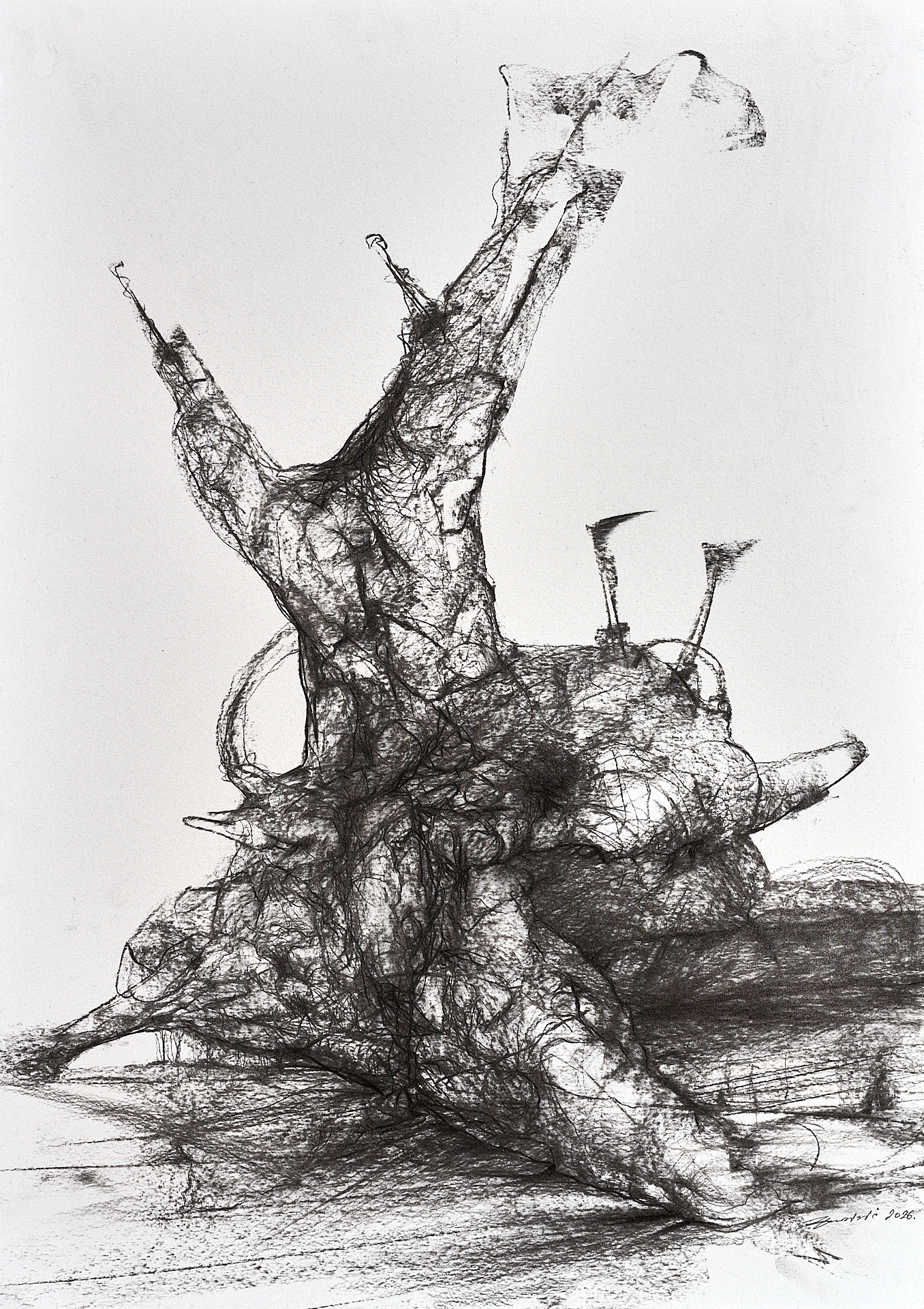
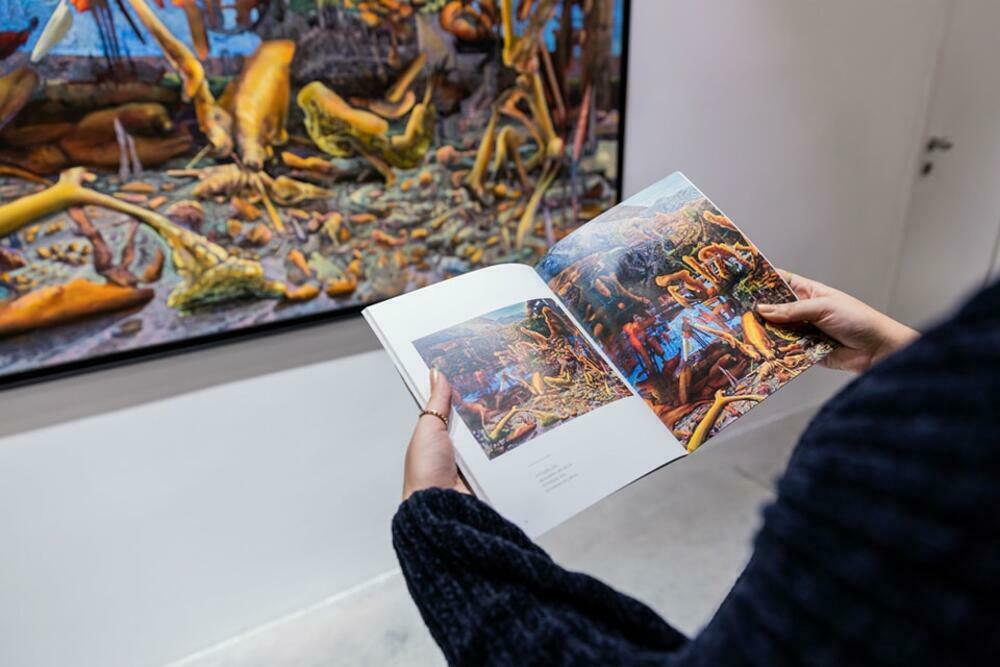
One motif dominates these paintings: a network of roots that permeates and binds together diverse figurative and abstract structures. In this region, roots carry profound psychological significance, symbolising origin, the primordial source, and ultimate destiny. By transforming their shape and structure, the artist turns them into root-bones. Similar motifs appear in the works of Surrealists such as Ernst and Dalí as symbols of darkness and horror, but also, like in Picasso, as harbingers of a new dawn and hope emerging from the depths of the soul.
Natural, social, and cosmic forces disturb the image of the world. In the collision of civilisations, the earth opens to reveal a chthonic realm, while at the same time metallic structures of cyber technology occupy its surface.
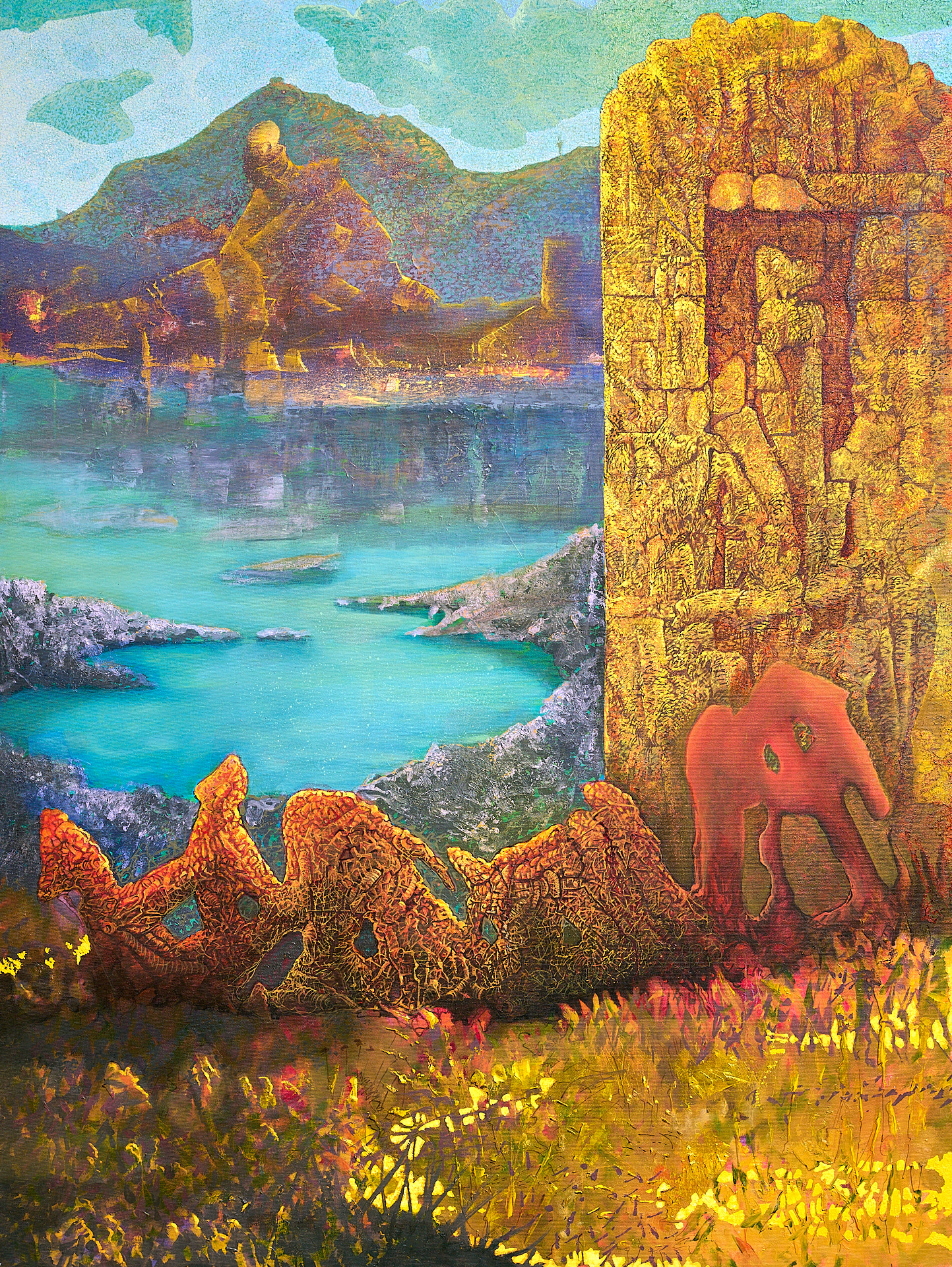
The absurd and dark aspects of existence, together with calcified forms that have altered the original appearance of nature, stimulate the imagination and invite deeply personal associations. Organic and inorganic structures recall the erosion of medieval Bogomil tombstones, the sculpture of the Lady of Elche, Stonehenge, the megaliths of Carnac, and the monumental heads of Easter Island, all pointing toward an artist inspired by primordial natural forces and ancient mysteries.
Building upon the idea that archaic images can be awakened at the intersection of mythical and cybernetic symbols, Ivan develops his creative system through the construction and transformation of forms using particles, microns, and calcified structures.
His interpretation of this silent and enigmatic world reveals an artist of exceptional painterly skill. His meticulous technique of underpainting and oil painting creates textures that endow every detail with a microcosmic completeness. Layer by layer, beginning with drawing and glazes, he constructs a rich pictorial whole. Through subtle transitions of light and colour, contrasts between brilliance and dullness, smoothness and roughness, daylight and twilight, delicate brushstrokes and flickering hues, he creates a unique visual experience of the strength and power of nature.
Light plays an essential role in defining the phenomenological and cognitive dimensions of the image. It permeates the painted surface with cool and warm tones of blue-green, green, blue, yellow, brown, ochre, grey, and orange, filtering through the forms and creating a melancholic atmosphere characteristic of post-apocalyptic visions.
Ivan Đurišić's paintings evoke unease, fear, despair, and yet also a glimmer of hope. They belong to the poetics of genius loci with a universal subtext and continue the artistic concerns brought to their culmination by the great Montenegrin and international artist Dado Đurić. Within the tradition of fantastic painting in Montenegro, Ivan Đurišić occupies a distinguished place, having introduced a personal sense of light and optimism into the aesthetics of the monstrous, infernal, mystical, mysterious, dark, and nihilistic world.
Dr sc. & Mag. art Nikola Marković
The contemporary Montenegrin art scene, together with its rapidly evolving technological possibilities, continues to reshape our understanding of what constitutes “true art” within the expanding boundaries of contemporary artistic practice. In this context, it is important to emphasise that the contemporary painterly expression of Ivan Đurišić represents a kind of forgotten alphabet of enduring yet profoundly relevant visions of the spiritual and metaphysical dimensions of life and human existence.
His paintings, like those of artists who continue to engage deeply with the mysteries of the world, offer significant interpretations of contemporary reality, much as Renaissance masters once transformed the understanding of their own age. In a wholly authentic manner, Đurišić creates a new spiritual reality through the visual and artistic experience of the metaphysics of the imaginary landscape, one of the few remaining fields of profound spiritual expression in our time.
His exhibition, *Tangled States*, stands as a testament not only to the expressive power of painting itself but also to its capacity for creating a distinct associative, symbolic, and abstract visual language. The scenes he presents are enriched by the experiences of other artistic disciplines, allowing them to be interpreted as virtual spatial landscapes that simultaneously reveal sculptural and conceptual dimensions within painted and coloured forms.
These works demonstrate the artist's ability to balance image and concept while engaging with the emerging language of contemporary artistic practice and modern technologies. The complexity of their psychological and thematic structures is reinforced by the coexistence of conceptual thought and authentic artistic individuality. On one level, they embody a philosophical function of the artistic medium; on another, they establish abstract associative elements that may be understood as an “archaeology of metaphysical landscapes of the past and the future, the real and the surreal,” together with their reflective layers.
The conceptual and visual economy of his artistic language is enriched by reflections of inner experiences and ritualistic visual forms. Through the dissolution of surface structures and the subtle vibration of colour, the paintings evoke a deeper archetypal dimension that becomes perceptible to the viewer.
This process simultaneously achieves a successful formal organisation of composition and creates an inner dialogue of universal spiritual values expressed through allusive and metaphorical symbols. The abstract theatre of movement, play, and symbolic suggestion invites the viewer to discover meanings that are both anticipated and revealed.
Even this brief overview of Đurišić's creative journey can only suggest the richness of his artistic research and recommend this remarkable exhibition, in the hope that his “Archetypal Metamorphosis of Timeless Duration” may become a lasting value within the lives of its audience.
With an already significant body of work, Ivan Đurišić has secured an important place within contemporary Montenegrin art. Through an unusual path of meditative creativity and dedicated spiritual self-discovery, he began his artistic education in Cetinje, the historical and spiritual heart of Montenegro. Over two decades of artistic exploration, he has developed a profound interest in archetypal and astral symbolism, spiritual processes, and the transformative power of artistic language.
His paintings are immediate, profound, and multilayered. Existing within associative and symbolically structured abstractions, they evolve through the metamorphosis of details into almost ritualistic interactions of form and colour, revealing hidden underpainted layers of searching and becoming.
The impact of this subtle and deeply imagined visual world is extraordinary. It creates a poetic harmony reminiscent of ancient archetypal music, where upper layers of imagery develop into a continuous, almost Baroque melody of carefully balanced colours and forms. Every detail contributes to the integrity of the whole.
Through these paintings, the artist speaks in a unique silence about a bionic, living structure that surrounds and protects the deeply embedded primordial forms of life. These forms emerge like a promise of light within a cloud preparing to give birth to a rainbow—a symbol whose beauty and mystery have remained beyond human reach since the beginning of time.
In this way, Ivan Đurišić reminds us that the greatest mysteries of beauty, life, and nature continue to exist beyond our complete understanding, retaining their essential place within human existence even when we believe we have understood them.
**Dr. Nikola Marković**
*PhD, Master of Arts*
Maja Živanović, art critic
Metaphysical reflections, together with the phenomenon of metamorphosis within an artistic world of drama and beauty, form the foundation of the recent exhibition by the talented Montenegrin painter Ivan Đurišić. Although deeply rooted in the richness of nature, existence, and spirituality, this world challenges the observer to alter their perception.
A constant theme in Ivan's work is humanity's search for a new refuge, even in the absence of a direct human presence. This idea unfolds through dynamic and intricate scenes of mysterious Mediterranean landscapes—richly detailed and painterly sensitive. These compositions may be interpreted as associative or abstract, yet they appear to me as fantastic, unfathomable, and morphological, like distant echoes of forgotten memories.
Nature assumes primacy over human creation. It is superior and incomparably more powerful, manifesting itself through layered compositions of gardens and coastlines, borders and landscapes, seas and karst terrains. Within these spaces, unusual forms dominate—seemingly mineral and vegetal, yet fundamentally symbolic representations of the complexity and multiplicity of human nature.
Ivan's essential artistic affinity lies in his spontaneous exploration of colour, line, and glazing. He approaches each scene with confidence, resolving the challenges he sets for himself through rhythmic surfaces of colour. In the foreground of his paintings, he presents transformed realities of abstract formations that can equally be understood as hybrid creations, where floral and living forms merge with the unfamiliar and the otherworldly.
It is no simple task to transform the elements of nature into tactile and, at times, cautionary archetypal beings whose forms and energies evoke birds, plants, animals, and even human figures. They represent something primordial that exists within all of us.
His fascination with colour, which carries both the meaning and communicative force of the image, is particularly evident in his preference for blue and umber tones enriched by accents of green and yellow. At the same time, the expanding transformations of vegetation—simultaneously gentle and untamed—are translated into harmonious compositions of associative landscapes and complex psychological worlds. Within them, traces of the topographical remain, but it is the emotional and experiential dimension that ultimately prevails.
By continuously nurturing the experiences of the environment from which he originates while simultaneously working in an innovative, powerful, and deeply personal manner, Ivan Đurišić brings together the invisible and the abstract, the real and the enigmatic. In doing so, he conveys a compelling message: that art should always be approached with openness, intuition, and a willingness to move beyond convention.
My Skills
Suspendisse sit amet metus porta, egestas magna eget, ultricies enim. In libero justoner rhoncus eu nisl sed, pharetra luctus lorem. Praesent faucibus nibh nula necfermentum nunc rhoncus proin maximuster.
Quisque et nulla justo. Class aptent taciti sociosqu ad litora torquent per cobia nostra, per inceptos himenaeos. Mauris pulvinar faucibus dolory. Aenean dolry andapibus id lacinia a, posuere nec libero. Class aptent taciti sociosqu ad litora torquent per cobia nostra, per inceptos himenaeos.
Developer90%
Photoshop80%
Web Design95%
Social Media85%
Video
RTCG Art magazin, 2024.
RTV ATLAS, 2011
RTV PG, 2024.
RTV PG, Artizam 2024
RTV PG, 2026.
RTCG, 2026.
RTCG Art magazin, 2024.
RTV ATLAS, 2011
RTV PG, 2024.
RTV PG, Artizam 2024
RTV PG, 2026.
RTCG, 2026.
Publications
My Skills
Suspendisse sit amet metus porta, egestas magna eget, ultricies enim. In libero justoner rhoncus eu nisl sed, pharetra luctus lorem. Praesent faucibus nibh nula necfermentum nunc rhoncus proin maximuster.
Quisque et nulla justo. Class aptent taciti sociosqu ad litora torquent per cobia nostra, per inceptos himenaeos. Mauris pulvinar faucibus dolory. Aenean dolry andapibus id lacinia a, posuere nec libero. Class aptent taciti sociosqu ad litora torquent per cobia nostra, per inceptos himenaeos.
Developer90%
Photoshop80%
Web Design95%
Social Media85%
Contact
PHONE: +382 67 619 295
EMAIL: ivan.djurisic.art@gmail.com
ADDRESS: Bokeška br.12, Podgorica, Montenegro
KEEP IN TOUCH